Desserts
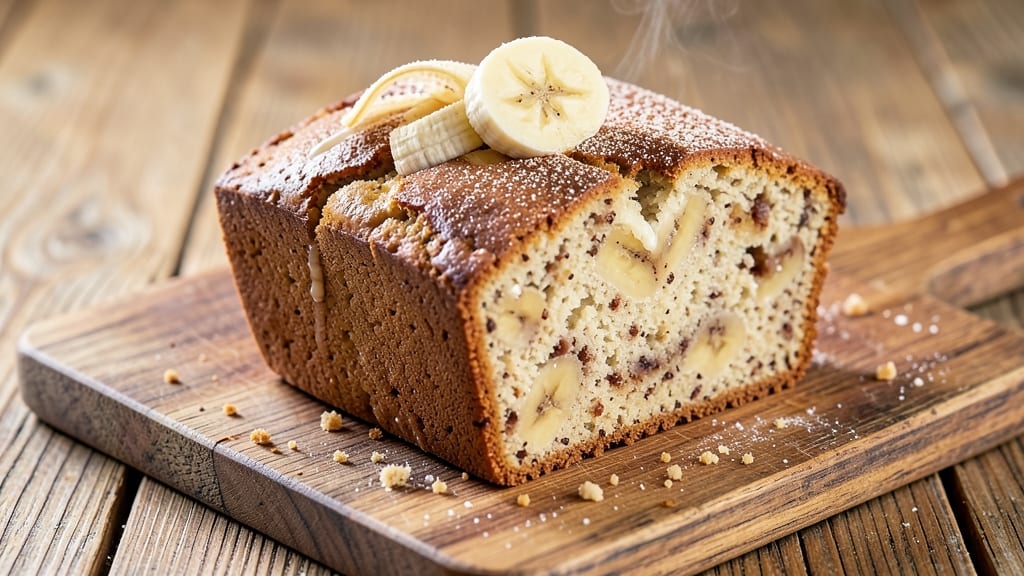
This Atkins banana bread recipe proves you don’t need carbs to enjoy moist, flavorful banana bread—just the right ingredients and technique. 🌟 The secret lies in almond flour and a touch of sugar substitute, creating a tender crumb without sacrificing the classic banana bread experience.
I’ve perfected this version to stay true to Atkins principles while delivering that familiar, comforting texture.
What makes this recipe work is the combination of ripe bananas, almond flour, and eggs to bind everything together without gluten or excess carbs. The walnuts add a satisfying crunch, while cinnamon and vanilla bring warmth and depth.
Unlike traditional banana bread, this version stays moist for days without drying out, making it perfect for meal prep or satisfying cravings guilt-free.
By the time it emerges from the oven, you’ll have a golden, fragrant loaf with a tender crumb and just the right amount of walnut crunch. The aroma alone will make your kitchen feel like a bakery, and each slice delivers that familiar banana flavor without the carb overload.
It’s the kind of dessert that feels indulgent yet aligns with your dietary goals.
Serve it warm with a dollop of whipped cream or enjoy it at room temperature with a cup of coffee. The best part? It’s simple enough for weeknights but impressive enough for guests—all while keeping those carbs in check. Let’s get baking!
Ingredients for atkins banana bread
Low-carb staples that deliver all the banana bread comfort you crave without the guilt.
| Ingredient | Amount | Notes |
|---|---|---|
| Ripe Bananas 🍌 | 3 whole | Mashed, about 1.5 cups total |
| Almond Flour 🌰 | 2 cups | Fine, unsifted for best texture |
| Large Eggs 🥚 | 4 whole | Room temperature for even mixing |
| Granulated Erythritol 🍯 | ½ cup | Or monk fruit blend for sweetness |
| Unsalted Butter 🧈 | ½ cup | Softened, not melted |
| Pure Vanilla Extract 🌿 | 1 tbsp | High-quality, no alcohol needed |
| Ground Cinnamon 🌶️ | 1 ½ tsp | Freshly ground preferred |
| Baking Soda 🧪 | ½ tsp | Ensures proper rise |
| Salt 🧂 | ¼ tsp | Fine sea salt preferred |
| Walnuts 🥜 | 1 cup | Chopped, toasted for extra flavor |
| Unsweetened Almond Milk 🥛 | ¼ cup | For moisture, any plant milk works |
| Lemon Juice 🍋 | 1 tbsp | Brightens flavor, fresh preferred |
The bananas need to be ripe—those brown spots mean more natural sweetness and moisture. Trader Joe's usually has perfect ones, or just grab a few extra and let them sit on the counter for a day or two. Almond flour is non-negotiable here—it gives that tender crumb while keeping carbs low. Bob's Red Mill is my go-to brand, but any fine almond flour will work. The walnuts? Toast them first (350°F for 8-10 minutes) for that nutty aroma that makes this bread sing. I always double-check the erythritol—some brands have a gritty texture, so Lakanto or Swerve are my favorites.
No almond flour? Coconut flour plus extra eggs works, but texture changes—expect denser bread. Short on walnuts? Pecans or macadamias are great swaps, though flavor shifts slightly. The vanilla extract matters—imitation stuff tastes artificial. Frontier Co-op has the best pure vanilla at reasonable prices. For the butter, don't melt it—softened is key. That way it mixes smoothly without turning the batter greasy. And if you're out of almond milk, coconut milk works too, just use the full-fat version for best moisture.
Banana bread keeps best in an airtight container at room temperature for 3-4 days. For longer storage, wrap tightly and refrigerate for up to 1 week. Freezing is a game-changer—slice and freeze in a single layer before bagging for 3 months. I like to toast slices in the morning for a bakery-fresh feel. The walnuts stay crispy if you store the bread properly, but if they soften, just toast them again before serving. Leftovers? Perfect with a dollop of whipped coconut cream—just like the real thing, but guilt-free.
Why You'll Love This Recipe
- No Mixer Needed: I swear by this recipe because it’s literally three bowls and a spoon—no electric mixer, no fuss. The almond flour and butter blend together like butter (yes, literally) when you mash the bananas right in, so you’re done mixing in under five minutes.
- Caramel-Like Without Sugar: Here’s what sold me—the bananas caramelize just enough when baked, thanks to the erythritol, and the almond flour adds this nutty depth that makes it taste rich, not dry. It’s the kind of bread that disappears in slices, but your blood sugar won’t crash afterward.
- Breakfast or Snack Hero: I keep a loaf in the fridge for everything: toasted with peanut butter for breakfast, cut into bars for post-gym fuel, or even sliced thin for a quick dessert when company drops by. The eggs bind it just enough to hold up, so it’s sturdy but still tender.
- Uses Overripe Bananas: Between us, I’ve thrown away more than a few spotted bananas—until this recipe. The darker the speckles, the sweeter the bread. It’s my secret weapon for turning grocery-store sad bananas into something ridiculously good, and the almond flour keeps costs lower than buying pre-made low-carb bread.
Step-by-step instructions for low-carb banana bread
Here's how to make a tender, moist loaf that stays true to Atkins principles.
👨🍳 Step 1: Prep Ingredients for Perfect Texture
Preheat your oven to 350°F and grease an 8x4-inch loaf pan with butter or line it with parchment paper for easy removal. In a large mixing bowl, mash the 3 whole ripe bananas until completely smooth—no lumps should remain. This ensures even distribution throughout the batter and prevents dense pockets.
In a separate bowl, whisk together the 2 cups almond flour, 1.5 teaspoons ground cinnamon, 0.5 teaspoon baking soda, and 0.25 teaspoon salt. Sift the mixture lightly to aerate the flour, which helps create a lighter texture. Toast the 1 cup walnuts in a dry skillet over medium heat for 3-4 minutes until fragrant, then chop them coarsely—they'll add wonderful crunch and nutty depth.
🍳 Step 2: Mix Wet Ingredients for Moisture and Flavor
In the same large bowl with the mashed bananas, add the 4 whole large eggs (room temperature), 0.5 cup softened unsalted butter, 0.5 cup granulated erythritol, 1 tablespoon pure vanilla extract, and 1 tablespoon lemon juice. Whisk vigorously for 2-3 minutes until the mixture is pale and slightly thickened. The lemon juice brightens the flavor while balancing the sweetness, and the vanilla adds warmth that complements the bananas.
Gradually fold in the dry ingredients using a spatula, mixing just until combined—overmixing develops gluten and can make the bread dense. Gently stir in the toasted walnuts and 0.25 cup unsweetened almond milk to achieve the perfect consistency. The batter should be thick but pourable, similar to traditional banana bread batter. If it seems too stiff, add 1 more tablespoon of almond milk.
🥘 Step 3: Bake to Golden Perfection
Pour the batter into the prepared loaf pan and smooth the top with a spatula. Bake for 50-55 minutes until a toothpick inserted in the center comes out clean and the edges are golden brown. The top should spring back slightly when pressed gently—this indicates doneness. If the top browns too quickly, tent loosely with aluminum foil after 30 minutes to prevent over-browning while the center finishes cooking.
Here's the thing—this bread relies on almond flour for structure, so it won't rise dramatically like traditional banana bread. That's why the toothpick test is crucial. The internal temperature should reach 200°F. Let it cool in the pan for 10 minutes before transferring to a wire rack to cool completely. This resting period prevents crumbling when slicing.
⏰ Step 4: Serve with Confidence
Once fully cooled, slice the loaf into 8 even pieces—each serving should be about 1.5 inches thick. The texture should be moist and tender with a subtle walnut crunch throughout. The lemon brightens the banana flavor while the cinnamon adds warmth, creating a perfect balance. Store leftovers in an airtight container in the refrigerator for up to 5 days or freeze for 3 months—they reheat beautifully in the microwave.
Real talk: the first time I made this, I nearly overbaked it because I didn't trust the toothpick test. Now I set a timer for 50 minutes and check at 45 minutes—every oven runs slightly differently. The secret to low-carb banana bread is patience with the baking time and proper ingredient prep. Trust the process, and you'll have a loaf that's just as satisfying as the classic version, but with fewer carbs.
Pro Tips For Making Atkins Banana Bread
- Mash Bananas Thoroughly: Skip the chunky bits—squish those bananas until they’re completely smooth, no lumps. I used to leave them slightly chunky, thinking it’d save time, but it makes the texture uneven. Trust me, the extra 30 seconds of mashing pays off in every bite.
- Use Room-Temp Eggs: Cold eggs mix unevenly and can make your batter gummy. Let them sit out for 30 minutes before cracking them into the mix—this ensures a lighter, more uniform crumb. (Yes, even if you’re impatient like me.)
- Don’t Overmix the Batter: Once the almond flour and eggs come together, stir just until combined. Overmixing introduces too much air, which can cause the bread to collapse or develop a dense texture. Think "fold in" rather than "beat like crazy."
- Check Doneness with a Toothpick: Almond flour bread can look underdone but still be dry inside. Insert a toothpick into the center—it should come out clean or with one moist crumb. If it’s wet, bake another 3-5 minutes. No guessing.
Troubleshooting great atkins banana bread
Dense or Gummy Texture
If your Atkins banana bread turns out dense or gummy, it’s usually because the batter was overmixed or the almond flour wasn’t properly aerated. I’ve found that sifting the dry ingredients and mixing just until combined prevents gluten formation.
Also, ensure your bananas are ripe—overripe bananas release more moisture, so adjust by adding 1 extra egg if needed to bind the batter. 🥜
Another common culprit is underbaking. Since almond flour doesn’t rise like wheat flour, the bread may look done but still feel undercooked inside. Use a toothpick test—it should come out clean, and the internal temperature should reach 200°F.
If it’s still gummy, bake for 5-10 more minutes at 325°F to dry it out slightly.
Cracked Top or Dry Crust
A cracked top often means the batter was too wet or the oven was too hot. To fix this, reduce your oven temperature to 340°F and tent the loaf with aluminum foil after 30 minutes to slow browning.
For extra moisture, brush the top with almond milk before baking. I also recommend using a loaf pan lined with parchment paper—it prevents sticking and helps create a smoother crust. 🧂
If the crust is dry, it might be due to overbaking. Since almond flour bread doesn’t brown as quickly as wheat-based bread, keep a close eye on it after 45 minutes.
A sugar substitute like erythritol can also contribute to dryness—if you notice this, try reducing it by 1-2 tablespoons or adding 1 extra tablespoon of almond milk to the batter.
Batter Too Thin or Too Thick
If your batter is too thin, it’ll likely result in a flat, dense loaf. To thicken it, add 1-2 tablespoons of almond flour at a time until it reaches a pourable but thick consistency.
Conversely, if the batter is too thick, stir in 1 tablespoon of almond milk until it’s smooth. The ideal texture should be like pancake batter—thick enough to hold its shape but still easy to pour. 🥄
Pro tip: Let your eggs and butter sit at room temperature before mixing. Cold ingredients can make the batter behave unpredictably. If the batter still seems off, check your almond flour—some brands are finer than others, which affects moisture absorption. Bob’s Red Mill is my go-to for consistency.
Walnuts Not Crunchy Enough
Walnuts lose their crunch if they’re added too late or if the bread sits too long before slicing. Toast them just before mixing and fold them in last to preserve their texture. For extra crunch, toast them again in a dry skillet for 1-2 minutes right before serving.
I also recommend storing the bread in an airtight container to keep the walnuts fresh longer. 🥜
If the walnuts still turn soft, try chopping them coarser—smaller pieces absorb moisture faster. Another trick is to bake the bread at 325°F instead of 350°F for the last 10 minutes to dry out the center slightly without overcooking the top.
Nutrition facts
Frequently asked questions
Can I substitute almond flour in this Atkins banana bread?
Yes, but texture changes significantly. For a 1:1 swap, use coconut flour plus 2 extra eggs per cup of almond flour—it absorbs more moisture. If you're out of almond flour, walnut flour works too, though the flavor shifts. For best results, stick with almond flour for that classic tender crumb.
How do I make this banana bread more moist without adding carbs?
Add 1 extra egg or 1 tablespoon of almond milk to the batter for extra moisture. For a richer texture, replace 2 tablespoons of almond milk with 2 tablespoons of Greek yogurt (unsweetened). Always use ripe bananas—they contain more natural sugars that keep the bread moist longer.
Why does my Atkins banana bread taste different from regular banana bread?
The flavor shifts because almond flour lacks the wheat-based sweetness and depth of traditional recipes. To bridge the gap, add ½ teaspoon of baking powder for lift and 1 teaspoon of lemon zest for brightness. The walnuts also add nutty complexity that regular banana bread doesn't have. It's a different but equally delicious profile!
Can I use this recipe for muffins instead of a loaf?
Divide the batter among 6 greased muffin cups (fill ⅔ full) and bake at 350°F for 20-25 minutes. The muffins will be denser but still moist. For extra fluffiness, fold in ½ teaspoon of baking powder with the dry ingredients. Perfect for breakfast on the go!
How do I store leftovers to keep them fresh?
Wrap slices in plastic wrap and store in an airtight container at room temperature for 3 days. For longer storage, refrigerate for up to 1 week or freeze for 3 months. Toast frozen slices for 10-15 seconds to restore freshness. The walnuts stay crispier when stored properly!