Side Dishes
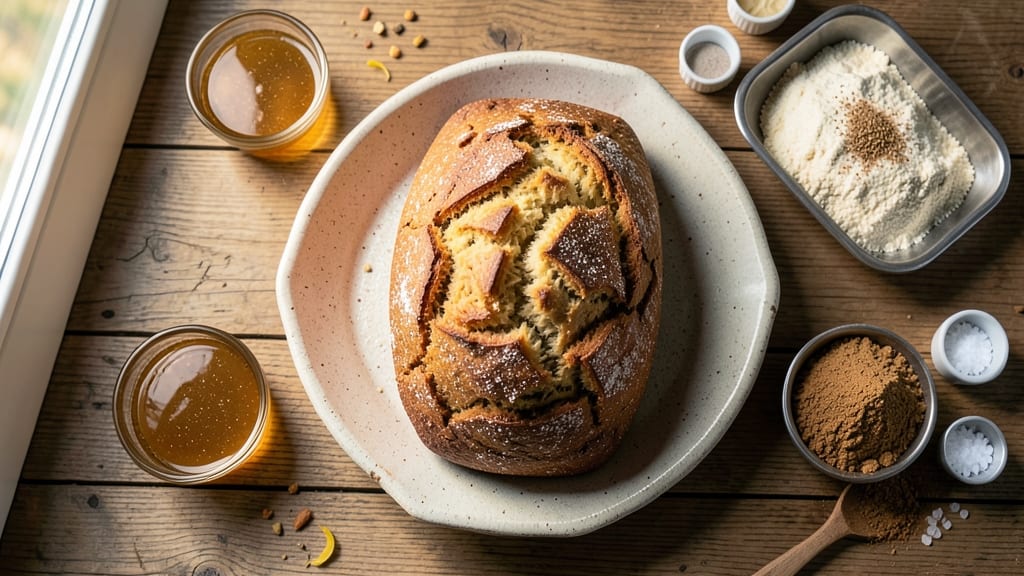
This gluten-free almond flour and coconut flour bread delivers the perfect balance of crispy crust and tender crumb—without a single grain of wheat. The secret lies in the blend of nutty almond flour for structure and coconut flour for moisture, creating a loaf that's both satisfying and dietary-friendly.
After years of experimenting with gluten-free baking, I've perfected this recipe to rise beautifully and hold its shape, making it ideal for sandwiches or toast.
The process begins with a simple dough that requires no kneading, just mixing and shaping. A steam bath during baking ensures that crispy crust you crave while keeping the interior soft and airy.
This method eliminates common gluten-free pitfalls like dryness or crumbling, delivering a loaf that's surprisingly sturdy for its delicate ingredients. The recipe accommodates vegan needs while still delivering rich, nutty flavor.
What you'll end up with is a golden-brown loaf with a satisfying crunch on the outside and a tender, slightly dense crumb inside—ideal for gluten-free diets but delicious for everyone.
The aroma of toasted almonds and coconut fills your kitchen as it bakes, promising a loaf that's both impressive and foolproof. Perfect for breakfast, lunch, or as a side to soups and stews, this bread proves gluten-free baking can be just as rewarding as traditional.
Store leftovers in an airtight container at room temperature for up to 3 days, or freeze for longer storage. For extra flavor, brush the warm loaf with a simple glaze of powdered sugar and almond milk.
Whether you're baking for dietary needs or simply exploring gluten-free options, this recipe delivers restaurant-quality results at home.
Ingredients for almond flour and coconut flour bread
Eight ingredients transform into a golden loaf with crispy crust and tender crumb—all gluten-free and vegan.
| Ingredient | Amount | Notes |
|---|---|---|
| Almond Flour 🌰 | 2 cups | Blanched, finely ground preferred |
| Coconut Flour 🥥 | ½ cup | Unbleached, sifted before measuring |
| Tapioca Flour 🌾 | ¼ cup | For elasticity and rise |
| Psyllium Husk Powder 🌿 | 1 tbsp | Pure, unsweetened |
| Baking Powder 🍞 | 1 ½ tsp | Aluminum-free preferred |
| Salt 🧂 | 1 ½ tsp | Fine sea salt |
| Apple Cider Vinegar 🍏 | 1 tbsp | Unfiltered for tang |
| Cold Water 💧 | ¾ cup | Chilled for better mixing |
| Vegan Butter 🧈 | ¼ cup | Melted, unsalted |
| Powdered Sugar 🍚 | 2 tbsp | For glaze (optional) |
| Almond Milk 🥛 | 1 tbsp | Unsweetened, for glaze |
| Flaxseed Meal 🌾 | 1 tbsp | For egg substitute |
| Ground Flaxseed 🌾 | 3 tbsp | Mixed with water for binder |
Almond flour is the backbone here—Bob's Red Mill or Anthony's Goods are my go-tos for consistent texture. The coconut flour? Bob's Red Mill again, but any unbleached brand works. Psyllium husk powder is non-negotiable for that sturdy crumb (the stuff from Nature's Way bulk bins is perfect). Sift everything before measuring—coconut flour especially loves to clump. For the flax binder, mix the ground flaxseed with 3 tbsp cold water and let it sit for 5 minutes to thicken. If you're in a rush, chickpea flour works at a 1:1 ratio, though the flavor shifts slightly.
No tapioca flour? Arrowroot powder is the next best thing—same elasticity, just a tad less chew. Swap coconut flour for sunflower seed flour if you're nut-free, but expect a denser texture. The apple cider vinegar adds that subtle tang—Bragg is my favorite, but any raw vinegar works. For the glaze, powdered sugar is key, but maple powder gives a caramel note. The vegan butter matters here—Miyoko's or Earth Balance melt beautifully. Prefer a sweeter loaf? Add 1 tbsp maple syrup to the dough, but don't skip the vinegar—it's what makes the crust crisp.
This loaf keeps beautifully—3 days at room temperature wrapped in a cotton towel (yes, really), or 3 months frozen in slices. To reheat, wrap slices in foil and warm at 350°F for 5-7 minutes. The glaze? Brush it on warm loaves only—it sets fast. For extra crunch, broil for 1-2 minutes post-bake. Store almond flour in the fridge to prevent rancidity, and coconut flour in an airtight container with a silica gel packet—it absorbs moisture like crazy.
Why You'll Love This Recipe
- No Mixer Needed: The psyllium husk powder does all the work—just stir, pour, and bake. No kneading, no waiting for dough to rise, just a quick mix that comes together faster than a grocery store loaf.
- Rich Without Guilt: That nutty almond flour meets the toasty coconut depth—it’s like a cross between a sourdough crust and a brioche, but with zero refined flour. Honestly, my non-paleo friends ask for seconds.
- Meal Prep MVP: Slices perfectly for toast, sandwiches, or even French toast. I make a batch on Sundays, and it lasts all week—no soggy bread here, just crisp edges that stay fresh in the fridge.
- Budget-Friendly Staple: Uses pantry basics that last forever. A little goes a long way, and the psyllium husk keeps it light without breaking the bank. Plus, no wasted dough scraps—every crumb is usable.
Step-by-step instructions for gluten-free bread with crispy crust
Here's how to create a gluten-free loaf with a satisfying crunch and tender interior—no compromises.
Create the Flaxseed Egg Substitute
In a small bowl, whisk together the 1 tablespoon flaxseed meal and 3 tablespoons ground flaxseed with 3 tablespoons cold water. Let it sit for 5 minutes until it thickens into a gel-like consistency—this mimics the binding properties of eggs. The mixture should be smooth and slightly sticky, not watery. If it separates, give it another quick stir. This step is crucial for holding the bread together without gluten.
While you wait, preheat your oven to 350°F and lightly grease a 9x5-inch loaf pan with vegan butter. A well-greased pan prevents sticking and makes removal easier later. I like to use a silicone loaf pan for extra flexibility when turning out the bread.
Mix Dry Ingredients Thoroughly
In a large mixing bowl, combine the 2 cups almond flour, 0.5 cup coconut flour, 0.25 cup tapioca flour, 1.5 teaspoons baking powder, 1.5 teaspoons salt, and 1 tablespoon psyllium husk powder. Use a whisk to break up any clumps in the coconut flour—this ensures even distribution throughout the batter. The psyllium husk powder is key here; it helps create that soft, bread-like texture by absorbing moisture and adding structure.
Sift the mixture through a fine-mesh sieve directly into the bowl if you have one. This aerates the dry ingredients, which helps create a lighter texture. Set this bowl aside for now—we'll come back to it after preparing the wet ingredients.
Combine Wet Ingredients and Form the Batter
In a separate medium bowl, melt the 0.25 cup vegan butter in the microwave for 20-30 seconds or until just liquid. Stir in the 1 tablespoon apple cider vinegar and 0.75 cup cold water. The vinegar adds a subtle tang that balances the richness of the nut flours. Let this mixture cool slightly for 1 minute—it should be warm but not hot to the touch.
Add the flaxseed egg substitute to the wet ingredients and mix until fully combined. Then, gradually pour this mixture into the bowl with the dry ingredients. Use a spatula to gently fold everything together until just combined—overmixing can develop gluten-like properties in the nut flours, making the bread dense. The batter should be thick but pourable, similar to pancake batter.
Bake to Golden Perfection
Transfer the batter to the prepared loaf pan and smooth the top with a spatula. Tap the pan gently on the counter 3-4 times to release any air bubbles. Bake in the preheated oven for 45-50 minutes, until the top is deep golden brown and a toothpick inserted into the center comes out clean. The bread is done when it springs back slightly when pressed gently in the center.
For extra crispiness, broil for 1-2 minutes at the end of baking time. Watch it closely—broiling can happen quickly and turn the crust too dark. Let the bread cool in the pan for 10 minutes before transferring to a wire rack. This resting period helps it set properly and prevents crumbling.
Optional Glaze and Serving
While the bread is still warm, you can brush it with a simple glaze for extra shine and sweetness. In a small bowl, whisk together the 2 tablespoons powdered sugar and 1 tablespoon almond milk until smooth. Immediately brush this mixture over the top of the cooled bread. The glaze adds a delicate sweetness that pairs beautifully with the nutty flavors of the bread.
Slice the bread carefully with a serrated knife for clean cuts. The interior should be soft and slightly crumbly, while the exterior remains crispy. Store any leftovers wrapped in a clean kitchen towel to maintain freshness for up to 3 days at room temperature or freeze for up to 1 month. This bread is best enjoyed fresh, but it reheats beautifully in a 350°F oven for 5-10 minutes to restore crispiness.
Pro Tips For Making Almond Flour And Coconut Flour Bread
- Mix the Psyllium First: Coconut flour absorbs water like a sponge, but psyllium husk powder needs to soak up liquid before anything else. Whisk it with your wet ingredients (egg, water, or milk) for at least 5 minutes—it’ll thicken into a gel. I learned this the hard way when my first loaf turned out gummy because the psyllium clumped instead of binding.
- Preheat Pan and Oven: Almond flour bread dries out fast, so heat is your friend. Preheat your loaf pan (or baking dish) in the oven for 10 minutes while the oven cranks up to 350°F (175°C). This ensures even baking and a crisp crust from the start—no sad, dense center here.
- Skip the Overmixing: Once you fold in the dry ingredients (almond flour, coconut flour, tapioca flour), stop stirring the second everything’s just combined. Overworking the batter breaks down the flours, leading to a dense, brick-like loaf. Two turns of a spatula is all it takes.
- Add a Splash of Vinegar: The psyllium husk powder gives structure, but a teaspoon of apple cider vinegar (or lemon juice) makes the bread lighter. It reacts with the baking powder for extra lift—like a tiny chemical boost. I was skeptical until I tried it, and now it’s non-negotiable.
Essential equipment for great almond flour and coconut flour bread
Mixing Essentials
Start with a stand mixer fitted with the paddle attachment—this ensures even mixing without overdeveloping gluten-like properties in the nut flours. I use my KitchenAid Artisan Series for its torque, but a hand mixer works too if you mix in 30-second bursts.
The key is to avoid overmixing, which can make the bread dense. A fine-mesh sieve is non-negotiable for sifting the coconut flour and psyllium husk powder—this prevents clumps and ensures an even texture. 🌰
Baking Tools
A 9x5-inch loaf pan is essential for shaping, but I prefer a silicone loaf pan—it’s flexible and releases the bread easily without sticking. Grease it well with vegan butter or line it with parchment paper for extra insurance.
For the steam bath that creates that crispy crust, place a shallow baking dish filled with hot water on the lower oven rack. This adds moisture during baking, mimicking a traditional bread oven environment.
Measuring Precisely
Coconut flour absorbs moisture like a sponge, so use a kitchen scale for accuracy—1 cup coconut flour can weigh 100-120 grams depending on how it’s packed. For almond flour, spoon and level into your measuring cup to avoid compaction.
A digital kitchen scale (like the OXO Good Grips) is my go-to for consistency. The psyllium husk powder should be lightly sifted before measuring to avoid clumps that can create uneven texture in the bread.
Cooling and Storage
After baking, transfer the loaf to a wire cooling rack to prevent sogginess. For long-term storage, I use vacuum-sealed bags to extend freshness—this keeps the bread crispy for up to 3 months in the freezer.
A serrated bread knife is a must for clean slices without crushing the crumb. For reheating, wrap slices in aluminum foil and warm at 350°F for 5-7 minutes to restore crispiness. 💫
Nutrition facts
Frequently asked questions
Why does this bread need both almond flour and coconut flour?
Almond flour provides the structure and rich, nutty flavor that makes the bread satisfyingly dense, while coconut flour adds moisture retention and a subtle sweetness. The combination creates that perfect balance of crispy crust and tender crumb that's hard to achieve with just one type of flour. Plus, coconut flour absorbs liquid well, which helps create the right texture without needing extra eggs or binders.
Can I make this bread without psyllium husk powder?
You can try, but the texture will be very different—likely denser and less bread-like. Psyllium husk powder is key for creating that soft, airy crumb by absorbing moisture and adding structure. If you're avoiding it, try substituting with 1 tablespoon ground flaxseed mixed with 3 tablespoons water, though the results may be slightly less tender. The bread will still hold together, but it might crumble more easily.
How do I prevent my bread from crumbling when slicing?
Let the bread cool completely in the pan for 10-15 minutes before removing it—this helps it set properly. Use a serrated knife and slice carefully in one smooth motion. For extra stability, chill the loaf in the fridge for 30 minutes before slicing. If it still crumbles, the psyllium husk powder or flax binder might need adjusting—try adding 0.5 teaspoon more psyllium husk powder next time.
What's the best way to store leftovers to keep them fresh?
Wrap the bread in a clean kitchen towel or store it in an airtight container at room temperature for up to 3 days. For longer storage, freeze slices in a vacuum-sealed bag for up to 3 months. To reheat, wrap slices in foil and warm at 350°F for 5-7 minutes. The towel method actually helps maintain moisture better than plastic containers for this type of bread.
Can I add seeds or nuts to this recipe?
Try adding 1/4 cup chopped walnuts, 2 tablespoons sunflower seeds, or 1 tablespoon pumpkin seeds to the batter for extra texture and nutrition. Fold them in during the final mixing step. For a sweeter version, add 1/4 cup dried cranberries or chocolate chips. Just be mindful not to overmix once they're added, as this can make the bread dense. Toast the nuts/seeds first for enhanced flavor!