
Side Dishes
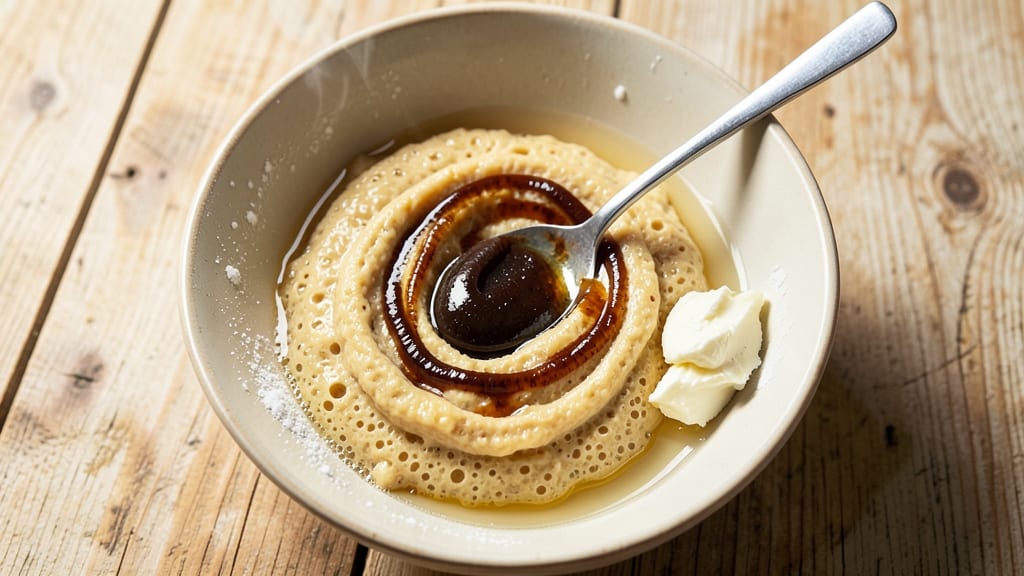
This Amish sweet bread starter recipe brings the warmth of a Pennsylvania farmhouse kitchen to your own table, where golden swirls of butter and sugar create a crust so tender it practically melts in your mouth.
The secret lies in the starter—a simple yeast mixture that ferments overnight, developing that signature dense, slightly sweet flavor that makes this bread legendary.
I’ve perfected this version over years of baking, ensuring every batch delivers the same rich, buttery layers and aromatic spices that make it a centerpiece at Amish gatherings.
The process begins with a foolproof starter that requires just flour, yeast, and warm milk, then rests overnight to develop flavor.
Once mixed with butter, sugar, and a touch of molasses for depth, the dough is shaped into its iconic swirls before baking in a Dutch oven for that signature buttery crust.
What sets this recipe apart is the balance of simplicity and tradition—no fancy tools, just time-honored techniques that create a bread so good, it’ll have your neighbors asking for seconds.
By the time it emerges from the oven, you’ll have a loaf with a golden, crackly crust that gives way to tender, slightly sweet layers infused with cinnamon and nutmeg.
The aroma alone will fill your kitchen with memories of communal baking days, where families gathered to shape dough and share stories. This isn’t just bread—it’s a taste of heritage, baked fresh in your own home.
Perfect for holiday tables, church potlucks, or a cozy Sunday breakfast, this recipe scales easily and keeps beautifully for days. The starter can be made ahead, so you’re never caught without the foundation for this beloved classic. Let’s get started—your kitchen (and taste buds) will thank you.
Ingredients for amish sweet bread starter
Four cups of flour kick off this recipe, but the real magic starts with the yeast and warm milk starter.
| Ingredient | Amount | Notes |
|---|---|---|
| All-Purpose Flour 🌾 | 3 cups | Unbleached preferred for better texture |
| Active Dry Yeast 🍞 | 0.04 oz | Or 2.25 tsp (1 packet) |
| Warm Whole Milk 🥛 | ½ cup | 110°F, not hot |
| Granulated Sugar 🍚 | ¼ cup | White or brown |
| Unsalted Butter 🧈 | ½ cup | Cold, cubed (8 tbsp) |
| Molasses 🍯 | ¼ cup | Unsulphured preferred |
| Large Eggs 🥚 | 1 whole | Room temperature |
| Ground Cinnamon 🌿 | 1 tbsp | Freshly ground for best flavor |
| Ground Nutmeg 🌿 | ½ tsp | Freshly grated preferred |
| Salt 🧂 | ½ tsp | Diamond Crystal preferred |
| Vanilla Extract 🌸 | 1 tsp | Pure vanilla preferred |
The yeast is the heart of this bread. Bob's Red Mill or King Arthur brands work best for consistent results. For the milk, warm it to just under body temperature—too hot kills the yeast, too cold slows fermentation. If your milk smells sour, grab a fresh carton. Flour matters too: King Arthur or White Lily are my go-tos for that signature tender crumb. The molasses adds depth, but if you can't find unsulphured, regular works fine—just reduce to 1/4 cup and add 1 tsp more sugar to balance.
No active dry yeast? Instant yeast works 1:1, but don't skip the warm milk step—it's crucial for activating the starter. Short on butter? Coconut oil or shortening keeps the texture similar, though the flavor won't be identical. The eggs can be replaced with 1/4 cup applesauce for a vegan version (though it won't rise as high). For the spices, Penzeys has the freshest ground cinnamon and nutmeg—worth the splurge if you bake often. The vanilla? Trader Joe's has affordable pure extract that doesn't skimp on flavor.
The starter keeps for 5 days in the fridge—just stir before using. For longer storage, freeze portions in ice cube trays. The butter should stay cold until mixed into the dough. Once baked, this bread stays fresh 3-4 days wrapped in a towel, or freeze slices for up to 3 months. I always make a double batch—the extra loaf disappears faster than you'd think, especially around holidays.
Why You'll Love This Recipe
- Here’s what sold me: this starter turns into cinnamon rolls, sweet loaves, or even a quick breakfast bread. Keep a batch in the fridge, and you’ve got a go-to for lazy mornings or unexpected guests. (Yes, even on a Tuesday night when you’re exhausted.)
- Starter in Minutes: I swear, this comes together faster than my coffee brews. Just mix the warm milk, yeast, and a pinch of sugar—let it bubble for 5 minutes—then fold in flour and butter. No kneading, no waiting hours—just hands-off magic while you prep the rest of your meal.
- Buttery-Sweet Comfort: That first bite of warm, pillowy bread with the rich milk and butter melting into the dough? It’s like a hug for your taste buds. The sugar caramelizes just enough to give it a subtle sweetness without being cloying—honestly, it’s the kind of flavor that makes you reach for seconds without thinking.
- Weeknight Workhorse: Here’s what sold me: this starter turns into cinnamon rolls, sweet loaves, or even a quick breakfast bread. Keep a batch in the fridge, and you’ve got a go-to for lazy mornings or unexpected guests. (Yes, even on a Tuesday night when you’re exhausted.)
Step-by-step instructions for Amish sweet bread starter recipe
This classic Amish sweet bread delivers a tender crumb and buttery swirls every time—just follow these simple steps.
Activate the Yeast and Mix the Dough
In a large mixing bowl, combine the 0.5 cup warm whole milk (about 110°F) with the 0.25 cup granulated sugar and 0.035 oz active dry yeast. Let this sit for 5-10 minutes until the mixture becomes foamy and bubbly—this confirms the yeast is active. If it doesn’t bubble, your yeast may be old, and you’ll need to start over.
Once bubbly, add the 3 cups all-purpose flour, 0.5 tsp salt, 1 tbsp ground cinnamon, and 0.5 tsp ground nutmeg. Mix these dry ingredients together briefly to distribute the spices evenly. Create a well in the center and pour in the 1 whole large egg and 1 tsp vanilla extract. Gradually incorporate the wet ingredients into the dry, mixing just until a shaggy dough forms—overmixing develops gluten, which makes the bread dense instead of tender.
Knead and Incorporate the Butter
Turn the dough onto a lightly floured surface and knead gently for 2-3 minutes until smooth. The dough should be soft but not sticky—add a little more flour if needed. This step builds just enough structure to hold the swirls later.
Cut the 0.5 cup unsalted butter into small cubes and work them into the dough one piece at a time. Press each cube into the dough and fold it over until fully incorporated. The butter should be cold but pliable—if it’s too hard, let the dough rest for 5 minutes before continuing. Once all the butter is in, the dough will feel slightly greasy and rich, which is exactly what we want for that classic Amish texture.
Add Molasses and Shape the Loaf
Return the dough to the mixing bowl and stir in the 0.25 cup molasses until fully combined. The molasses adds deep, caramel-like sweetness and helps create the bread’s signature moist crumb. Cover the bowl with a damp towel and let the dough rise in a warm place for 1-1.5 hours, or until it has nearly doubled in size. You’ll know it’s ready when the dough springs back slowly when poked with a finger.
Once risen, turn the dough onto a lightly floured surface and gently shape it into a 12x6-inch rectangle. This long, narrow shape is key for those iconic swirls. Roll the dough tightly into a log, sealing the edges to trap the butter inside. Place the log seam-side down on a parchment-lined baking sheet.
Create the Swirls and Bake
Using a sharp knife, slice the log diagonally into ½-inch thick slices, starting from one end. Gently roll each slice into a loose spiral, tucking the ends under to secure. Arrange the swirls on the baking sheet, leaving 1 inch of space between each. Brush the tops lightly with a little warm water to help them brown evenly.
Preheat your oven to 350°F. Bake the swirls for 25-30 minutes, until they’re golden brown and smell deeply sweet. The edges should be crisp, while the centers remain soft and tender. For extra browning, broil for 1-2 minutes at the end, watching closely to avoid burning.
Cool and Serve
Remove the swirls from the oven and let them cool on a wire rack for 10 minutes—this prevents them from becoming soggy. Serve warm, straight from the oven, with a pat of butter or a drizzle of honey. The bread stays fresh for 2-3 days at room temperature, though it’s best enjoyed the day it’s made. Store leftovers in an airtight container to maintain that buttery, flaky texture.
Pro Tips For Making Amish Sweet Bread Starter
- MEASURE MILK TEMPERATURE: I learned this the hard way—yeast hates extremes. Use a thermometer to confirm your warm whole milk is between 105°F and 110°F (like a warm bath, not a sauna). Too hot and you’ll kill the yeast; too cool and it’ll take forever to activate.
- USE COOL BUTTER FIRST: Skip the melted butter until the very end. Cut the cold unsalted butter into the flour mixture last—this keeps the starter from overworking and ensures those tiny butter pockets create flaky layers later. (Yes, even if you’re impatient like me.)
- LET YEAST BLOOM ALONE: After mixing the yeast with warm milk and sugar, cover the bowl and resist the urge to peek or stir for at least 10 minutes. The foam should double—if it doesn’t, your yeast might be dead or the milk was too hot. (Your future self will thank you for waiting.)
- SIFT FLOUR TO AVOID LUMPS: Don’t just dump the all-purpose flour into the bowl. Sift it first to break up any clumps, especially if your flour is old or stored in a damp place. This ensures the yeast distributes evenly and the starter rises smoothly—no one likes gummy sweet bread.
Best sauces and condiments for amish sweet bread starter
Sweet Molasses Glaze
This classic pairing elevates the bread’s natural sweetness with a rich, caramelized glaze. Heat ½ cup unsulphured molasses with 2 tbsp butter and 1 tsp vanilla extract in a small saucepan over medium-low heat for 5 minutes.
Brush the warm glaze over the baked swirls while still on the baking sheet. The molasses adds a deep, smoky flavor that complements the bread’s cinnamon and nutmeg perfectly. 🍯
Creamy Honey Butter
For a lighter but equally delicious option, mix ¼ cup softened butter with 2 tbsp local honey and a pinch of salt. Spread this mixture generously over the warm bread or serve it on the side for dipping.
The honey’s floral notes contrast beautifully with the bread’s warm spices, while the butter keeps it rich and moist. I love using clover honey for its mild sweetness and smooth texture. 🍯
Spiced Whipped Cream
Beat 1 cup heavy whipping cream with 2 tbsp powdered sugar, ½ tsp vanilla extract, and a pinch of cinnamon until soft peaks form. This light, airy topping adds a festive touch and balances the bread’s richness.
Serve it alongside the bread for a dessert-like experience, especially during holiday gatherings. The whipped cream’s brightness cuts through the molasses or honey, creating a harmonious flavor profile. ✨
Warm Maple Syrup Drizzle
Heat ¼ cup pure maple syrup in a small saucepan until it’s just warm (don’t boil). Drizzle it over the bread in a zigzag pattern for a rustic presentation. The syrup’s earthy sweetness pairs wonderfully with the bread’s buttery layers.
For extra flair, sprinkle with a pinch of coarse sea salt to enhance the flavors. This is my go-to for a quick, no-fuss serving suggestion that feels special. 🍁
Caramelized Cinnamon Sugar
Mix ¼ cup granulated sugar with 1 tbsp ground cinnamon and spread it evenly over the baked swirls. Bake for an additional 3-5 minutes at 350°F to caramelize the sugar into a crisp, aromatic crust.
The cinnamon sugar adds texture and a warm, spiced crunch that contrasts the bread’s soft interior. This is a crowd-pleaser, especially with coffee or tea. 🌿
Nutrition facts
Frequently asked questions
Can I make the Amish sweet bread starter ahead of time?
The starter can be prepared up to 5 days in advance and stored in the fridge. Simply stir it before using to revive the yeast. For longer storage, freeze portions in ice cube trays—just thaw overnight in the fridge before mixing into your dough. This saves time on busy mornings or holiday baking days.
Why does my dough feel too sticky or dry?
Too sticky? Add 1 tablespoon flour at a time while kneading—Amish sweet bread should be soft but manageable. Too dry? Mix in 1 teaspoon warm milk and knead gently. The dough needs balance: if it cracks when shaping, it’s too dry; if it sticks everywhere, it needs more flour. The butter content makes it rich, so handle it gently!
Can I substitute molasses with something else?
Yes! For 1/4 cup molasses, try 3 tablespoons honey or 2 tablespoons maple syrup plus 1 teaspoon extra sugar to maintain sweetness. Molasses adds depth, but these alternatives work well for dietary preferences. If using honey, reduce the sugar slightly since it’s sweeter.
How do I fix if my swirls don’t hold their shape?
Chill the dough for 30 minutes before slicing—this firms it up. If the swirls still collapse, your butter may have melted too soon. Use cold butter cubes and handle the dough minimally. For extra stability, shape the loaf into a log first, then slice and roll. Patience is key—rushing leads to messy swirls!
Is this bread gluten-free or vegan?
Traditional Amish sweet bread contains gluten and dairy. For a gluten-free version, use a 1:1 GF flour blend and add 1/2 teaspoon xanthan gum. For vegan, replace butter with coconut oil and eggs with 1/4 cup applesauce, though texture and rise may differ. The recipe’s heart is its fermentation—adjustments may require longer proofing.