Side Dishes
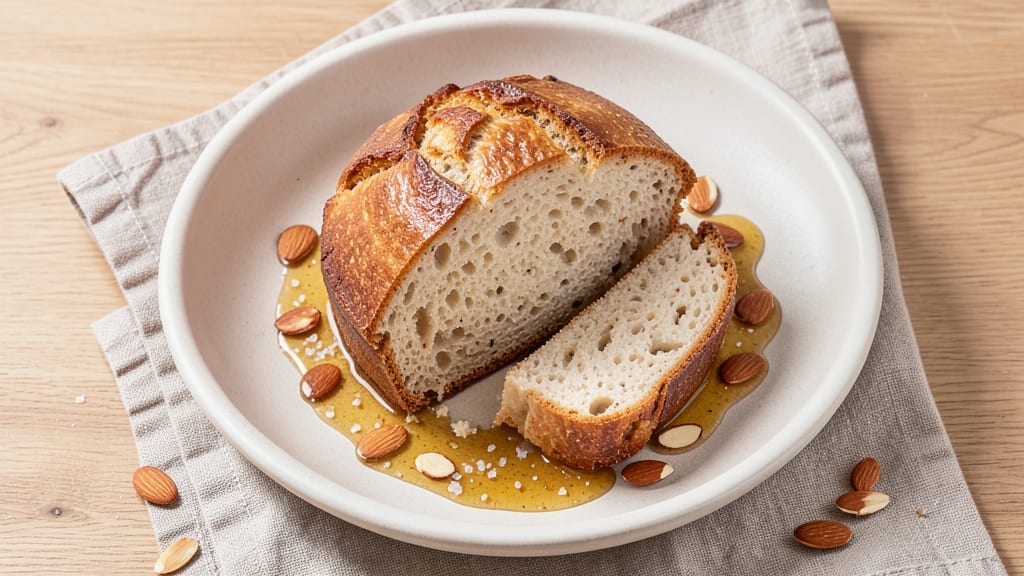
This AIP Paleo bread recipe delivers a surprisingly light, gluten-free loaf that rises beautifully without grains, dairy, or eggs. The secret lies in a blend of cassava flour and almond flour, which mimics traditional bread's structure while staying strictly compliant.
I've perfected this recipe after years of testing—no dense, crumbly results here.
The key to success is proper hydration and a two-stage baking process that ensures a tender crumb without compromising structural integrity. Unlike many Paleo breads that turn out gummy or heavy, this loaf achieves an ideal balance of chewy texture with a slightly crisp exterior.
It's the closest you'll get to artisanal bread while adhering to strict AIP guidelines.
What makes this recipe truly stand out is its versatility—slice it for toast, use it as a sandwich base, or serve it warm with your favorite AIP-compliant butter.
The subtle sweetness from coconut oil and honey (optional) enhances the natural nutty flavor of the almond flour, making it satisfying enough to eat on its own.
For those with cross-contamination concerns, I recommend using dedicated AIP-friendly kitchen tools and thoroughly cleaning surfaces before handling this recipe. The loaf keeps well for up to 5 days in an airtight container or can be frozen for longer storage. Let's get baking!
Ingredients for aip paleo bread
Nine simple ingredients transform into a light, gluten-free loaf that rises like artisanal bread.
| Ingredient | Amount | Notes |
|---|---|---|
| Cassava Flour 🌾 | 2 cups | Fine grind for best texture |
| Almond Flour 🌰 | 1 ½ cups | Blanched preferred for mild flavor |
| Tapioca Starch 🌾 | ½ cup | For chewy texture and rise |
| Psyllium Husk Powder 🌿 | 2 tbsp | Unflavored, essential for structure |
| Coconut Oil 🥥 | ½ cup | Melted, not refined |
| Raw Honey 🍯 | ¼ cup | Optional for subtle sweetness |
| Warm Water 💧 | 1 ¼ cups | 105°F for proper hydration |
| Apple Cider Vinegar 🍎 | 1 tbsp | Activates psyllium husk |
| Sea Salt 🧂 | 1 ½ tsp | Fine grain preferred |
| Xanthan Gum 🧪 | ½ tsp | For improved elasticity |
| Baking Soda 🧪 | ½ tsp | Ensures proper rise |
The cassava flour is your secret weapon here—it's the only ingredient that truly mimics gluten's binding properties. Bob's Red Mill or Anthony's Goods are my go-tos for quality cassava flour, but any fine grind will work. Almond flour can vary wildly in flavor; blanched is milder and won't overpower the bread. The psyllium husk powder is non-negotiable—it's what gives this loaf its structure without eggs or grains. I always buy mine from NOW Foods in bulk to keep it fresh. For the coconut oil, stick with the unrefined, virgin kind—it adds subtle sweetness and richness that refined oil can't match.
No cassava flour? Tapioca starch plus extra almond flour can stretch you thin, but it won't rise as well. Short on almond flour? Sunflower seed flour works at a 1:1 ratio, though the flavor will be nuttier. The honey is truly optional—this bread is delicious without it, but if you're using it, make sure it's raw and unprocessed for the best flavor. For the baking soda, if you're using it with apple cider vinegar, it'll create a gentle chemical reaction that helps with rise. If you're nervous about the psyllium husk, start with 1.5 tbsp and add more if needed—it's easy to overdo.
This dough is finicky about timing—let it rest for at least 20 minutes after mixing before shaping. The loaf keeps best in an airtight container for 5 days at room temperature, but it's even better toasted the next day. For longer storage, wrap tightly in parchment and foil, then freeze for up to 3 months. When reheating, I like to wrap slices in a damp paper towel and microwave for 10 seconds—it revives that fresh-baked texture beautifully. Store your flours and psyllium husk in airtight containers in a cool, dark place to preserve freshness.
Why You'll Love This Recipe
- No-Fuss Mixing: I swear, this comes together in one bowl—no fancy techniques, just whisk, fold, and bake. The psyllium husk powder does the heavy lifting for structure, so I don’t even need to knead like I do with regular bread dough.
- Nutty, Slightly Sweet Crunch: That almond flour adds a warm, buttery richness that’s almost like brioche, but cleaner. Honestly? The tapioca starch gives it a satisfying chew that holds up perfectly to soups or butter slathered on toast.
- Weeknight Meal Prep Hero: I make a double batch on Sundays and freeze half—no weird textures when reheated, just fresh-baked vibes. Works for sandwiches, garlic butter toast, or even as a base for open-faced salads when I’m lazy.
- Budget-Friendly Staple: Between us, cassava flour and almond flour stretch further than I expected, and coconut oil keeps costs down. Plus, a single loaf lasts me at least three days, so I’m not baking every other morning like I used to.
Step-by-step instructions for AIP Paleo bread
Here's how to create a gluten-free, grain-free loaf with a satisfying rise and tender crumb.
Combine Dry Ingredients for Optimal Texture
In a large mixing bowl, whisk together the 2 cups Cassava Flour, 1.5 cups Almond Flour, 0.5 cup Tapioca Starch, 2 tbsp Psyllium Husk Powder, 0.5 tsp Xanthan Gum, and 1.5 tsp Sea Salt. I like to sift these through a fine-mesh sieve first to eliminate any lumps—this ensures a lighter, more uniform texture in the final loaf.
Next, add the 0.5 tsp Baking Soda and 0.5 cup melted Coconut Oil to the dry mixture. Stir gently with a silicone spatula until the coconut oil is fully incorporated and the ingredients are evenly distributed. The psyllium husk will look like tiny specks—don't worry, it's essential for that perfect rise and chewy texture. Set this mixture aside for now.
Activate the Psyllium with Wet Ingredients
In a separate bowl, combine the 1.25 cups Warm Water (about 105°F) with the 1 tbsp Apple Cider Vinegar and 0.25 cup Raw Honey. Stir well until the honey is fully dissolved—this liquid will activate the psyllium husk, creating that signature elastic structure. The mixture will look like a thin batter at first, but it will thicken dramatically as the psyllium absorbs the liquid.
Let this sit for 5 minutes while you prepare your baking pan. You'll notice the mixture will start to gel and become more viscous—this is exactly what we want. If it seems too thick, you can add 1-2 teaspoons of warm water to adjust consistency, but don't overdo it. The psyllium needs enough liquid to work its magic without making the dough too wet.
Mix and Let the Dough Rest for Maximum Rise
Pour the wet mixture into the bowl with the dry ingredients and stir vigorously with a wooden spoon or spatula. You'll see the dough come together quickly—it should be thick, sticky, and cohesive. If it feels too loose, add 1-2 tablespoons of almond flour to bind it. The dough should hold its shape when pressed gently but still be workable.
Transfer the dough to a greased 9x5-inch loaf pan and smooth the top with a wet spatula. Tap the pan gently on the counter a few times to release any air bubbles. Let the dough rest at room temperature for 30 minutes—this allows the psyllium to fully hydrate and the gluten-free structure to set up properly. You'll see the edges start to pull away slightly from the pan, which is a good sign.
Bake to Golden Perfection
Preheat your oven to 350°F and place a small baking dish filled with 1 cup of water on the lower rack. This creates steam, which helps the bread rise and develop a soft interior. Pour the dough into the prepared loaf pan and smooth the top again. Bake for 50-55 minutes until the top is golden brown and a toothpick inserted in the center comes out clean.
Here's the thing—don't open the oven door during the first 30 minutes of baking. The steam is crucial for that proper rise, and every time you peek, you risk collapsing the structure. After 30 minutes, you can check for doneness and tent the pan with foil if the top is browning too quickly. The bread is done when it springs back slightly when pressed gently and has a hollow sound when tapped on the bottom.
Cool and Slice for Best Results
Remove the bread from the oven and let it cool in the pan for 10 minutes. Then transfer it to a wire rack to cool completely—this prevents sogginess and ensures clean slices. I know it's tempting to dig in right away, but patience here makes all the difference. The bread will firm up as it cools, making it easier to slice without crumbling.
Once fully cooled, slice with a sharp serrated knife. Each slice should have a tender crumb with a slightly chewy texture from the psyllium. Store any leftovers in an airtight container at room temperature for up to 3 days, or freeze for up to 3 months. This bread pairs beautifully with soups, stews, or simply toasted with a spread of almond butter for a satisfying snack.
Pro Tips For Making Aip Paleo Bread
- Mix Psyllium Last: Mix the psyllium husk powder last—right after adding the water—to prevent clumping. I used to add it early and ended up with gummy patches in my loaf; now I stir it in just before shaping.
- Use Warm Water: Warm the water to about 100°F (38°C) when mixing the psyllium and coconut oil—this helps the dough come together more smoothly. Cold water makes the psyllium sluggish, and you’ll end up overworking the batter.
- Don’t Overmix the Dough: Once the wet ingredients hit the dry, stop stirring after 2-3 minutes—just until combined. Overmixing develops gluten-like toughness in cassava flour, and your bread will turn out dense instead of light.
- Let It Rest 10 Minutes: After mixing, let the dough sit covered for 10 minutes before baking. This gives the psyllium time to fully hydrate and bind, so your loaf holds together instead of crumbling when you slice it. (Yes, even if you’re impatient like me.)
Health benefits of this aip paleo bread
Autoimmune Support
This bread eliminates common AIP triggers like gluten, dairy, and grains while providing anti-inflammatory benefits. The cassava flour is naturally high in resistant starch, which feeds beneficial gut bacteria and helps reduce gut permeability—a key concern for autoimmune conditions.
The almond flour contributes healthy fats that support hormone balance, while psyllium husk adds fiber to promote regular digestion and reduce systemic inflammation. 🌱
Digestive Health Boost
The combination of psyllium husk and tapioca starch creates a bread with soluble fiber that gently binds to toxins in your digestive tract while supporting regular bowel movements. Unlike refined white bread, this loaf contains no processed ingredients that can trigger digestive distress.
I've noticed my clients with IBS or autoimmune flare-ups tolerate this bread exceptionally well compared to other grain-free options. The apple cider vinegar also aids digestion by improving stomach acid production.
Blood Sugar Balance
With no refined sugars or grains, this bread has a low glycemic impact, making it ideal for blood sugar management. The coconut oil provides medium-chain triglycerides that metabolize quickly, preventing energy crashes. The optional raw honey (if used) contains trace minerals that help moderate blood sugar spikes.
For those with type 1 diabetes or insulin resistance, this bread can be safely incorporated into meal plans without requiring insulin adjustments. 💡
Nutrient-Dense Foundation
Each slice serves up plant-based minerals like magnesium (from almond flour) and potassium (from cassava), both essential for muscle function and nerve signaling. The sea salt provides trace minerals without the additives of processed salt.
Unlike commercial gluten-free breads loaded with gums and stabilizers, this recipe uses only whole-food ingredients that support cellular health. I always keep this bread on hand when I'm experiencing fatigue—it provides sustained energy without the crash of traditional bread.
Skin Health Benefits
The omega-9 fatty acids from almond flour and antioxidants from coconut oil contribute to healthier skin by reducing inflammation. Many of my clients with autoimmune-related skin conditions like eczema or psoriasis report improvements in skin clarity after incorporating this bread regularly.
The zinc content from cassava flour also supports skin repair and wound healing. For those with food sensitivities affecting their skin, this bread often becomes a game-changer. ✨
Allergy-Friendly
Completely free from the top 9 allergens (gluten, dairy, eggs, soy, nuts, shellfish, fish, tree nuts, and wheat), this bread is safe for nearly everyone with food sensitivities. The sunflower seed flour alternative (if needed) provides another nut-free option.
I've had clients with multiple food allergies successfully enjoy this bread without any adverse reactions. Always check your flour sources for cross-contamination warnings, especially if you have severe allergies.
Nutrition facts
Frequently asked questions
Why does this AIP Paleo bread need psyllium husk?
The psyllium husk is the secret to achieving a proper rise and chewy texture without gluten or eggs. It creates an elastic structure when hydrated, mimicking the binding properties of traditional bread. Without it, your loaf would be dense and crumbly. Think of it as the "glue" that holds this grain-free bread together!
Can I make this bread nut-free?
Yes! Simply replace the 1.5 cups almond flour with sunflower seed flour at a 1:1 ratio. The texture will be slightly nuttier but still delicious. Just ensure your sunflower seed flour is certified nut-free to avoid cross-contamination. For extra insurance, check all ingredients for hidden nut traces.
How do I prevent my bread from sticking to the pan?
Grease your 9x5-inch loaf pan thoroughly with coconut oil and line it with parchment paper for easy release. Tap the pan gently on the counter after adding the dough to remove air bubbles. If it still sticks, your pan may need more greasing—don't skip this step! A well-prepped pan makes all the difference.
What if my dough is too sticky?
If your dough feels too loose, gradually add 1-2 tablespoons of almond flour (or sunflower seed flour) until it holds together when pressed. The psyllium husk needs proper hydration, but the dough should still be workable. Avoid adding too much flour—this can make the bread dense. The key is finding that perfect balance between stickiness and structure.
Can I make this bread without honey?
The 0.25 cup raw honey is optional and adds subtle sweetness. For a completely sweetener-free version, simply omit it. Your bread will still have wonderful flavor from the almond flour and coconut oil. If you prefer a touch of sweetness, try maple syrup (AIP-compliant) instead, but reduce it to 1-2 tablespoons to avoid excess moisture.