
Desserts
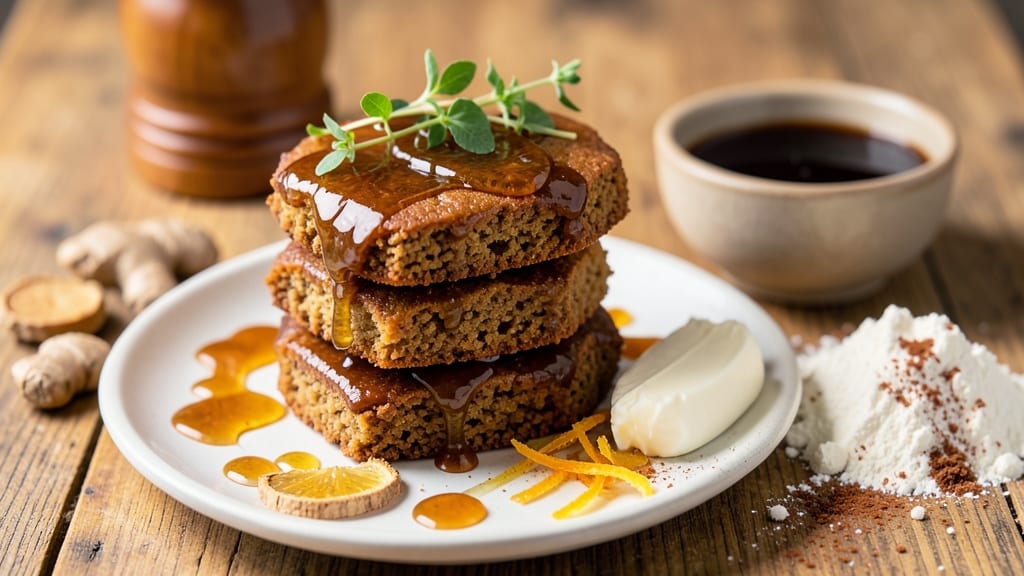
This authentic German gingerbread cookie recipe brings the warm, spiced flavors of Nuremberg's famous Lebkuchen straight to your kitchen. 🌟 The secret lies in molasses and a carefully balanced blend of cinnamon, cloves, and cardamom that creates deep, complex flavor with every bite.
Unlike American gingerbread, these cookies have a crisp exterior and tender interior—perfect for holiday gift-giving or family gatherings.
The recipe follows traditional German techniques, including using honey alongside molasses for natural sweetness and a touch of almond extract for depth. No artificial flavors here—just pure, aromatic spices that bake into the dough for an irresistible aroma.
The dough is rolled thin and baked until the edges are golden and crisp, while the centers stay soft and chewy.
What sets these apart is the optional glaze—either a simple powdered sugar coating or a rich chocolate glaze, depending on your preference. The spices infuse the dough during baking, creating a cookie that tastes like nostalgia and holiday cheer.
These aren't just cookies; they're a taste of German tradition, made simple enough for home bakers to perfect.
Whether you're baking for Christmas markets or sharing with friends, this recipe delivers the authentic experience without shortcuts. The spices take time to develop, but the result is worth every moment—crunchy edges, tender centers, and a flavor profile that transports you to Germany. Let's get baking!
Ingredients for authentic german gingerbread cookie
Pantry staples meet German tradition—molasses, honey, and spices that bake into nostalgic cookies.
| Ingredient | Amount | Notes |
|---|---|---|
| All-Purpose Flour 🌾 | 3 ½ cups | Sifted for even texture |
| Unsalted Butter 🧈 | 1 cup | Cold, cubed for cutting |
| Dark Molasses 🍯 | 1 cup | Blackstrap preferred for depth |
| Honey 🍯 | ½ cup | Wildflower for floral notes |
| Granulated Sugar 🍚 | 1 cup | Light brown preferred |
| Large Eggs 🥚 | 2 whole | Room temperature for blending |
| Pure Vanilla Extract 🌿 | 1 tbsp | Bourbon-infused for depth |
| Almond Extract 🌰 | ½ tsp | Essential for authentic flavor |
| Ground Cinnamon 🌶️ | 2 tsp | Ceylon cinnamon preferred |
| Ground Cloves 🌶️ | ½ tsp | Freshly ground for potency |
| Ground Cardamom 🌿 | ½ tsp | Green pods preferred |
| Ground Ginger 🌶️ | 1 ½ tsp | Freshly grated for warmth |
| Salt 🧂 | ½ tsp | Diamond Crystal preferred |
| Powdered Sugar 🍚 | 1 cup | For glaze, sifted |
| Heavy Cream 🥛 | 2 tbsp | For chocolate glaze |
| Dark Chocolate Chips 🍫 | ½ cup | 70% cacao for richness |
The molasses is non-negotiable here—blackstrap gives that deep, almost bitter-sweet complexity. Grab the smallest bottle you can find at Whole Foods or a specialty market; it’s worth the splurge. The spices? Penzeys or bulk bins at Trader Joe’s for the freshest grind. Cardamom can be tricky—if you can’t find whole pods, crush them yourself for maximum aroma. And that honey? Wildflower has the floral notes that mimic German traditions. The butter should be cold enough to hold its shape when cut—take it out of the fridge 30 minutes before mixing.
No blackstrap molasses? Regular molasses plus 1 tsp instant coffee mimics the depth. Substituting honey? Maple syrup works in a pinch, but it lacks the floral complexity. The almond extract is essential—don’t skip it—it’s what makes these taste authentically German. For the glaze, powdered sugar is a must, but if you’re feeling fancy, the chocolate version with heavy cream and 70% cacao chips is a game-changer. The dough is sticky, so chill it for 30 minutes before rolling—trust me on this.
Store the dough in an airtight container with parchment between layers for up to 5 days. Baked cookies keep for 1 week in a tin or 3 months frozen between parchment. The glaze? Make it fresh—it sets in 10 minutes. I always double the batch and freeze half; perfect for last-minute gifting. These taste even better the next day, so bake ahead if you can.
Why You'll Love This Recipe
- These work for everything: gift bags at Christmas, a quick treat for kids’ school lunches, or a last-minute dessert when guests show up. They freeze beautifully too, so I bake a batch in December and pull them out all winter.
- No-Fuss Mixing: I swear by this dough—just cream butter, fold in molasses and honey, then toss in flour. No standing over a bowl, no measuring cups that disappear mid-recipe. The molasses and honey blend into a thick, velvety paste that’s way easier to handle than crumbly dough.
- Spiced Warmth: That deep molasses flavor? It’s like liquid nostalgia—rich, slightly bitter, and perfectly balanced by the honey’s sweetness. The butter keeps them tender, while the spices (cinnamon, ginger, cloves) hit just right—no overpowering, just pure cozy satisfaction.
- Holiday or Snack: These work for everything: gift bags at Christmas, a quick treat for kids’ school lunches, or a last-minute dessert when guests show up. They freeze beautifully too, so I bake a batch in December and pull them out all winter.
Step-by-step instructions for authentic German gingerbread cookies
Here's how to craft these spiced molasses cookies with that signature German crunch and depth.
👨🍳 Step 1: Cut Cold Butter Into Flour for Perfect Texture
Place the 1 cup unsalted butter in the freezer for 10 minutes to firm up. In a stand mixer with paddle attachment, combine the 3.5 cups all-purpose flour and 1 cup granulated sugar. Mix on low speed for 30 seconds to aerate.
Add the cold butter cubes and mix on low speed until the mixture resembles coarse crumbs with pea-sized butter pieces remaining. This cold butter method creates those signature flaky layers in German gingerbread. Use your fingers to break up any large flour clumps—this ensures even distribution when we add wet ingredients.
🍳 Step 2: Combine Wet Ingredients for Rich Molasses Flavor
In a separate bowl, whisk together the 1 cup dark molasses, 0.5 cup honey, 2 whole large eggs, 1 tbsp pure vanilla extract, 0.5 tsp almond extract, and 0.5 tsp salt. The molasses should be at room temperature—this prevents the dough from becoming too stiff. Stir until completely smooth, scraping down the sides to incorporate any settled ingredients.
Here's the thing—German gingerbread relies on that deep molasses flavor. Don't skimp on the extracts either. The almond extract adds that classic German spice note that sets these apart from American versions. The mixture should be thick but pourable when you add it to the dry ingredients.
🥘 Step 3: Build the Dough with Spices and Chocolate
With the mixer on low speed, gradually pour the wet mixture into the flour-butter combination. Mix just until combined—about 1 minute. Stop mixing immediately when the dough comes together. Overmixing develops gluten, which makes the cookies tough instead of tender.
Remove the dough from the mixer and fold in the 0.5 cup dark chocolate chips by hand using a silicone spatula. Then add the 2 tsp ground cinnamon, 0.5 tsp ground cloves, 0.5 tsp ground cardamom, and 1.5 tsp ground ginger. Mix gently until the spices are evenly distributed throughout. The dough should be soft but manageable—if it's too sticky, chill it for 15 minutes before proceeding.
⏰ Step 4: Chill and Roll for Crispy Edges
Divide the dough into 4 equal portions (about 12 oz each) and flatten each into a 1-inch thick disk. Wrap tightly in plastic wrap and refrigerate for at least 2 hours or up to 48 hours. This resting period is crucial—it allows the gluten to relax and the flavors to meld. The longer you chill, the more intense the gingerbread flavor becomes.
Here's a pro tip: If you're short on time, freeze the dough disks for 30 minutes instead of chilling. Just make sure they're completely frozen before rolling. When ready to bake, let the dough sit at room temperature for 10 minutes before rolling to prevent cracking.
🔥 Step 5: Bake for Crispy Edges and Soft Centers
Preheat your oven to 350°F and line two baking sheets with parchment paper. On a lightly floured surface, roll out one dough disk to ¼-inch thickness. Use a 3-inch round cutter to cut out cookies, then reroll the scraps and cut more cookies until you've used all the dough.
Place cookies on the prepared baking sheets, spacing them 1 inch apart. Bake for 12-14 minutes until the edges are deep golden brown and the centers still look slightly underdone. They'll continue cooking on the hot sheet. For extra crispy edges, I like to bake them for 1-2 minutes longer until they're almost too dark—just watch them closely to prevent burning.
🍽️ Step 6: Glaze and Finish for Professional Results
While the cookies are still warm, whisk together 1 cup powdered sugar and 2 tbsp heavy cream until smooth. Dip the bottom half of each cookie into the glaze, then place them on a wire rack to set. The glaze should be thick enough to coat but not so runny that it drips off the sides.
Let the glazed cookies cool completely before serving. The contrast between the crispy edges, soft centers, and glossy glaze is what makes these German gingerbread cookies so special. Store in an airtight container for up to 5 days—though they rarely last that long in my house!
Pro Tips For Making Authentic German Gingerbread Cookie
- Chill the Dough First: German gingerbread needs patience—don’t rush rolling it out. After mixing, wrap the dough tightly in plastic and refrigerate for at least 2 hours (overnight is better). This prevents cracking when cutting and gives you cleaner shapes, especially with the molasses making the dough sticky. I learned this the hard way after my first batch turned into a molasses disaster.
- Use Molasses, Not Syrup: Dark molasses is non-negotiable here—it’s the soul of the cookie. If your recipe calls for it, skip the lighter syrup or honey-only substitutes. The deep, almost bitter-sweet flavor balances the honey and sugar perfectly. Pro tip: Warm the molasses slightly before measuring to thin it out—it thickens when cold, and you want a smooth dough.
- Roll Thin, Cut Small: German gingerbread is delicate, so resist the urge to make thick cookies. Aim for about ¼-inch thickness when rolling, and cut shapes no wider than 2.5 inches. Thicker cookies burn before they crisp, while smaller ones bake evenly. I used to fight the roller, but now I embrace the thinness—it’s what makes them tender yet sturdy.
- Bake Low and Slow: Preheat your oven to 350°F (175°C) and bake on the middle rack. German gingerbread needs gentle heat to develop flavor without drying out. Watch closely after 10 minutes—the edges will look set before the centers firm up. Overcrowding the tray? Space them 2 inches apart, or they’ll steam instead of crisp.
Perfect pairings for this dish
Spiced Tea Pairings
German gingerbread cookies shine with a warm cup of chamomile tea—its floral notes complement the molasses and honey without overpowering the spices. I love Lipton's English Breakfast for a heartier pairing, especially with a splash of hot milk to balance the gingerbread's warmth.
For something festive, try mulled wine (German-style with cinnamon sticks and orange peel) during the holidays—it mirrors the cookie's spice profile beautifully. 🍵
Creamy Cheese Spreads
Serve these cookies with German-style quark cheese spread—mix 1 cup quark with 1 tbsp honey, ½ tsp vanilla, and a pinch of cinnamon. The tangy creaminess cuts through the cookie's richness.
For a quicker option, cream cheese with a drizzle of honey works perfectly, especially if you're short on time. Add a sprinkle of toasted almonds for crunch. 🧀
Chocolate Dipping Sauce
Melt ½ cup dark chocolate (70% cacao) with 2 tbsp heavy cream and 1 tsp almond extract for a decadent dipping sauce. The chocolate enhances the gingerbread's depth while adding a smooth contrast. I like to serve this warm during gatherings—guests can dip the cookies for an extra indulgent bite.
For a lighter option, swap chocolate for caramelized honey with a pinch of sea salt. 🍫
Fruit Complements
Pair these cookies with dried apricots or figs to highlight their natural sweetness and balance the molasses' intensity. Fresh pear slices with a sprinkle of cinnamon also work wonderfully—the fruit's crisp texture contrasts the cookie's chewiness. For a festive touch, arrange cookies with candied citrus peel on a platter. 🍐
Coffee Contrast
A strong German-style coffee (like Kaffeehaus-style dark roast) balances the sweetness of these cookies perfectly. The bitterness in the coffee highlights the gingerbread's spiced molasses flavor. For a dessert pairing, try espresso with a splash of vanilla syrup—it elevates the cookie's depth without overpowering it. ☕
Seasonal Beverage Swaps
In summer, swap tea for sparkling apple cider—the bubbles refresh the palate between bites. For winter, hot apple cider with cinnamon sticks mirrors the cookie's warmth. If you're feeling experimental, try ginger beer (non-alcoholic) to amplify the gingerbread's spice notes. The effervescence cleanses the palate beautifully. 🍎
Nutrition facts
Frequently asked questions
Why does this recipe use both molasses and honey?
This combination creates the authentic German flavor profile! Molasses provides that deep, almost bitter-sweet complexity, while honey adds floral notes that balance the spices. Traditional German gingerbread (Lebkuchen) often uses both for natural sweetness without overpowering the warm spices like cinnamon and cloves.
Can I make these cookies without almond extract?
While possible, I don't recommend it—almond extract is essential for authentic German flavor. For a substitute, try 1 tsp marzipan paste (mixed with the wet ingredients) or ½ tsp bitter almond extract (use sparingly!). The flavor will be different but still delicious.
How do I prevent my gingerbread cookies from spreading too much?
Chilling the dough properly is key! Roll the dough disks to 1-inch thickness and refrigerate for at least 2 hours. Also, use cold butter (firm but not frozen) and bake at 350°F for 12-14 minutes—don't overbake. For extra crispy edges, bake 1-2 minutes longer until golden.
What's the best way to store these cookies?
For freshness, store in an airtight container with parchment between layers. They stay fresh for 5 days at room temperature or 3 months frozen between parchment. The glaze sets best after cooling completely—don't stack them until fully set to prevent sticking.
Can I make these gluten-free?
Possible, but challenging! Use a 1:1 gluten-free flour blend (like Bob's Red Mill) and add ½ tsp xanthan gum. Reduce baking time by 1-2 minutes as gluten-free dough tends to bake faster. The texture won't be identical, but they'll still taste delicious with the spice blend.