
Side Dishes
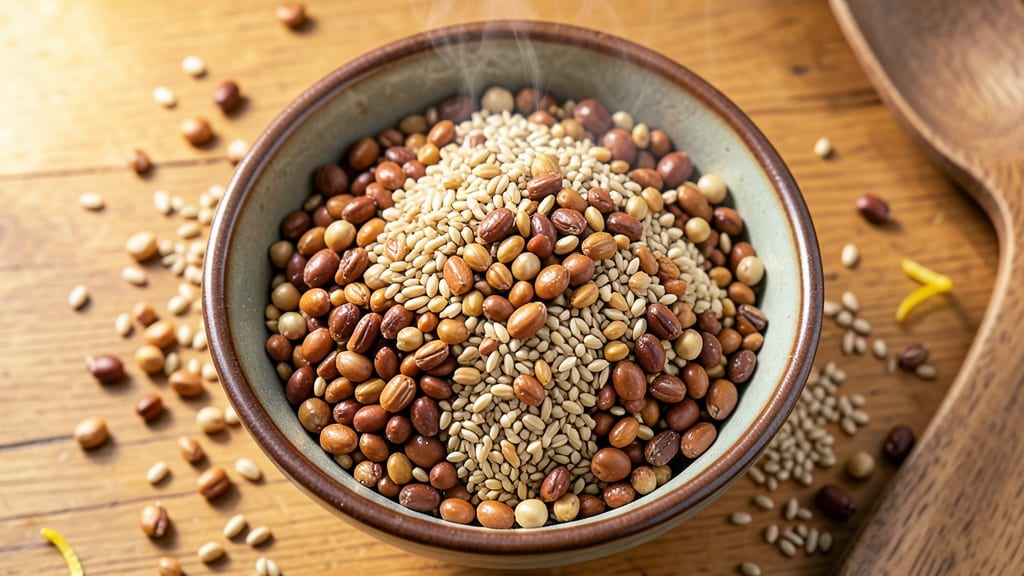
This authentic Ezekiel bread recipe delivers the nutty, airy texture and deep nutritional benefits that make it a staple in traditional diets. The key lies in sprouting whole grains—wheat, barley, millet, lentils, and soybeans—before blending them into a dough that develops a light, open crumb structure.
Every step, from sprouting to baking, preserves the natural enzymes and nutrients that set Ezekiel bread apart from conventional loaves.
The process requires patience and precision, but the results are worth it: a loaf with a subtle sweetness and satisfying chew, perfect for sandwiches or toasted with plant-based butter. Unlike commercial versions, this recipe stays true to its origins, using only whole, sprouted ingredients for maximum digestibility and flavor.
The hydration ratio and baking technique ensure a tender yet sturdy crumb that holds up beautifully.
What makes this bread truly special is its cultural and nutritional significance—it’s not just a loaf, but a dietary cornerstone with ancient roots. Packed with plant-based protein, fiber, and essential amino acids, it’s a powerhouse for anyone seeking whole-food nourishment.
The nutty depth comes from properly sprouted grains, which unlock enzymes that enhance both taste and digestibility.
Whether you’re baking for health, tradition, or both, this recipe delivers a loaf that’s as close to the original as possible. The steps are methodical but straightforward, and the payoff—a fragrant, hearty loaf with a light yet substantial texture—makes it a rewarding project.
Ready to bake with intention? Here’s how to do it right.
Ingredients for authentic ezekiel bread
Sprouted whole grains and precise hydration create this authentic Ezekiel loaf's signature nutty depth.
| Ingredient | Amount | Notes |
|---|---|---|
| Organic Wheat Berries 🌾 | 1 ½ cups | Sprouted for 8-12 hours |
| Organic Barley 🌾 | ½ cup | Sprouted for 8-12 hours |
| Organic Millet 🌾 | ½ cup | Sprouted for 8-12 hours |
| Organic Lentils 🌱 | ½ cup | Sprouted for 8-12 hours |
| Organic Soybeans 🌱 | ¼ cup | Sprouted for 8-12 hours |
| Filtered Water 💧 | 3 ½ cups | Room temperature preferred |
| Unsweetened Almond Milk 🥛 | ½ cup | For hydration balance |
| Nutritional Yeast 🧀 | ¼ cup | For umami depth |
| Sea Salt 🧂 | 1 ½ tsp | Diamond Crystal preferred |
| Extra-Virgin Olive Oil 🫒 | 2 tbsp | For dough elasticity |
| Ground Flaxseed 🌿 | 1 tbsp | Mixed with water for binding |
| Whole Flaxseeds 🌿 | 1 tbsp | For added texture |
| Sesame Seeds 🌰 | 1 tbsp | For topping |
The foundation starts with properly sprouted grains—look for organic, whole berries and seeds at specialty stores like Whole Foods or Sprouts. The sprouting process unlocks enzymes that enhance digestibility and flavor. For best results, soak grains in filtered water for 8-12 hours until they've just begun to sprout (small tails appear). If you're short on time, pre-sprouted grains from health food stores work, though fresh sprouting yields superior texture. The lentils and soybeans add protein depth, while the millet contributes a subtle sweetness that develops during baking.
No sprouted grains available? Certified organic whole grains from bulk bins can be used, though flavor and digestibility will differ. For the almond milk, unsweetened, plain varieties work best—flavored versions can alter the dough's balance. The nutritional yeast is non-negotiable for that authentic umami punch; Bob's Red Mill brand is widely available and reliable. If you're concerned about gluten sensitivity, ensure your wheat berries are certified gluten-free, though traditional Ezekiel bread contains gluten. The flaxseed binding agent can be replaced with chia seeds at equal measure if preferred, though flaxseed provides a slightly nuttier profile.
Store the sprouted grains in a sealed container in the fridge for up to 3 days before using. The dough itself keeps well for 24 hours in the refrigerator, wrapped tightly in plastic wrap. For longer storage, freeze the dough in portions—it'll keep for 3 months and can be thawed overnight in the fridge before baking. The baked loaf maintains freshness for 5-7 days when wrapped in a clean kitchen towel, though it's best enjoyed within 3 days for optimal texture. Toast slices directly from the freezer for a quick, hearty breakfast option.
Why You'll Love This Recipe
- No-Soaking Required: I’ll admit, I used to dread the long soak times with whole grains—but this version skips it. Just blend the pre-sprouted wheat berries, barley, millet, and lentils with water, let it rest for 20 minutes, and bake. That’s it. No waiting around while the clock ticks.
- Nutty Earthy Crunch: Between us, the flavor is ridiculously good. The barley and millet add a satisfying chew, while the soybeans bring a subtle umami depth. Toast it lightly, and you’ve got that perfect balance of crispy crust and soft, hearty interior—like a cross between sourdough and a grainy loaf you’d find in a Middle Eastern bakery.
- Meal Prep MVP: Honestly, this bread is my secret weapon for lazy Sundays. Bake a batch, slice it up, and store it in the freezer. Toss a few pieces in a lunchbox, use it for sandwiches all week, or even crumble it into salads. It holds up better than most breads, and the flavor doesn’t fade.
- Budget-Friendly Staple: Here’s what sold me—this recipe uses pantry staples you’re probably already buying. Organic wheat berries, barley, and lentils are cheaper than most specialty bread mixes, and they stretch further. Plus, the soybeans add protein without breaking the bank. Make a big batch, and you’ve got a cost-effective, filling base for meals all month.
Step-by-step instructions for authentic Ezekiel bread
This method delivers a dense, nutritious loaf with authentic Ezekiel characteristics—rich texture and deep umami flavor.
Prepare the Sprouted Grains
Begin by rinsing the 1.5 cups organic wheat berries, 0.5 cup organic barley, 0.5 cup organic millet, 0.5 cup organic lentils, and 0.25 cup organic soybeans thoroughly under cold water. Soak them in a large bowl with 3.5 cups filtered water for 8-12 hours at room temperature. The grains should sprout—you'll see tiny tails emerging from each kernel.
Drain the sprouted grains in a fine-mesh strainer and rinse again to remove any residual water. This step is critical for authenticity and digestibility. The sprouting process activates enzymes that enhance flavor and nutrition, creating that signature Ezekiel depth. Let the drained grains sit in the strainer for 5 minutes to ensure excess moisture evaporates before proceeding.
Create the Binding Agent
In a small bowl, whisk together 1 tbsp ground flaxseed with 3 tbsp of the 3.5 cups filtered water (reserve the remaining water for later). Let this mixture sit for 5 minutes until it thickens into a gel-like consistency. This flaxseed "egg" will replace traditional eggs while providing the necessary structure for binding.
In a separate bowl, combine the remaining 3.2 cups filtered water with 0.5 cup unsweetened almond milk and 0.25 cup nutritional yeast. The nutritional yeast adds that characteristic umami flavor that defines Ezekiel bread. Stir well to create a smooth liquid base that will hydrate the dough properly.
Mix the Dough Components
In a large mixing bowl, combine the drained sprouted grains with the flaxseed gel, water-almond milk mixture, 2 tbsp extra-virgin olive oil, and 1.5 tsp sea salt. Using a wooden spoon or dough whisk, mix vigorously for 5-7 minutes until the texture becomes thick and cohesive. The dough should be sticky but manageable—similar to wet sand.
Add 1 tbsp whole flaxseeds and mix again until evenly distributed. These will add subtle texture contrast to the dense crumb. The dough should be fully hydrated but not soupy. If it appears too dry, add 1-2 tablespoons of the reserved water mixture to reach proper consistency. This step ensures the bread will have that characteristic Ezekiel density without being overly heavy.
Shape and Rest the Dough
Lightly grease a 9x5-inch loaf pan with olive oil. Transfer the dough to the prepared pan and spread it evenly, pressing down gently to eliminate air pockets. The dough should reach the top edges of the pan. Sprinkle 1 tbsp sesame seeds evenly over the top for both flavor and decorative contrast.
Cover the pan with a damp kitchen towel and let the dough rest at room temperature for 1 hour. This resting period allows the gluten to relax and the flavors to meld. The dough will rise slightly during this time, but not dramatically—Ezekiel bread doesn't develop significant yeast activity like traditional bread. This step is crucial for developing the bread's characteristic dense yet tender crumb structure.
Bake to Perfection
Preheat your oven to 350°F. Place the covered loaf pan in the oven and bake for 50-55 minutes, until the top is deep golden brown and the internal temperature reaches 205°F when measured with an instant-read thermometer. The bread should pull away slightly from the edges of the pan but remain dense in texture.
Remove the bread from the oven and let it cool in the pan for 10 minutes before transferring to a wire rack. The cooling process allows the internal structure to set properly. Once completely cooled, slice with a serrated knife for clean cuts. The finished loaf should have a dense yet slightly crumbly texture with a nutty depth of flavor from the sprouted grains and nutritional yeast.
Pro Tips For Making Authentic Ezekiel Bread
- SOAK THE LENTILS LONGER: I learned this the hard way—skipping an extra 4-6 hours of soaking for the lentils leaves them chewy instead of tender. Use warm water (not boiling) and a splash of apple cider vinegar to break them down faster. Trust me, your bread won’t taste like you rushed it.
- GRIND COARSELY, NOT FINE: After burning three batches of dough, I finally figured out: Ezekiel bread needs a rustic texture. Pulse your soaked grains in the food processor until they’re roughly chopped—think breadcrumbs with some whole pieces left. Fine flour makes dense, gummy bread, and nobody wants that.
- FERMENT AT ROOM TEMP: Sounds weird, but it works: Let your dough rise in a warm spot (like a turned-off oven with a light bulb) for 12-16 hours. The slow fermentation develops flavor and makes the bread lighter. Skip the fridge—it weakens the gluten and leaves you with flat, sad loaves.
- STEAM THE FIRST 20 MINUTES: Crank the oven to 375°F (200°C) and place a metal tray with boiling water on the bottom rack. The steam helps the crust form evenly and prevents the loaves from drying out too fast. I know, I know—it’s one more thing to remember, but it guarantees a better rise.
Troubleshooting this recipe
Dense Dough Issues
If your dough feels too thick or dry after mixing, you likely need more hydration. Ezekiel bread requires precise moisture balance—add 1-2 tablespoons of the reserved water mixture at a time until the dough reaches a sticky yet workable consistency.
Overmixing can also make the dough tough, so mix just until combined. Remember, this bread should feel like wet sand, not stiff clay. 🌾
Underbaked Center
An underbaked center happens when the internal temperature doesn't reach 205°F. Use an instant-read thermometer to check—insert it horizontally through the thickest part of the loaf. If it's still below 200°F after 55 minutes, tent the pan with foil and bake 5-10 minutes more.
Ezekiel bread's dense structure needs that higher temperature to fully develop its texture and flavor.
Flat or Cracked Top
A flat or cracked top usually means the dough wasn't properly rested or the oven temperature fluctuated. After shaping, cover the pan with a damp towel and let the dough rest for the full 1 hour at room temperature.
This allows the structure to relax and rise slightly. Also, ensure your oven is fully preheated to 350°F—temperature swings cause uneven baking and cracking.
Sprouting Failures
If your grains didn't sprout properly, the bread will lack that signature nutty depth and digestibility. Rinse the grains thoroughly before soaking, and use filtered water to avoid contaminants. Soak at room temperature (not warm) for 8-12 hours
For best results, sprout overnight in a warm but not hot environment. 💧 Too much stickiness can make shaping difficult, but don't add flour—it ruins the bread's authenticity. Instead, wet your hands with water and use them to press the dough into the pan. If the dough still clings too much, add 1 tablespoon of ground flaxseed to the mix to improve binding. The dough should be cohesive but not gluey; if it's too wet, let it rest uncovered for 10 minutes to evaporate excess moisture. A heavy, gummy crumb often results from overhydration or insufficient baking. Double-check your water measurements—3.5 cups total is correct for this recipe. Also, ensure the oven is properly calibrated. If your bread still feels dense after baking, try increasing the temperature to 375°F for the last 10 minutes of baking to encourage a slightly lighter texture. The goal is a tender yet sturdy crumb, not a cake-like loaf.Sticky Dough Problems
Crumb Too Heavy
Nutrition facts
Frequently asked questions
Why does Ezekiel bread require sprouted grains?
The sprouting process unlocks natural enzymes that enhance digestibility and create that signature nutty depth. When grains sprout, their nutrients become more bioavailable, and the flavor profile transforms from bland to complex. This traditional method also preserves the bread's high protein and fiber content, making it a nutritional powerhouse compared to conventional loaves.
Can I make this recipe without sprouting the grains?
While possible, the flavor and texture won't be authentic. For a close substitute, use certified organic whole grains and soak them for 12 hours instead of sprouting. The nutritional yeast and almond milk will still provide umami depth, but you'll miss the enzyme activation that gives traditional Ezekiel bread its light, airy quality and superior digestibility.
How do I store Ezekiel bread to keep it fresh?
Wrap the cooled loaf tightly in a clean kitchen towel or beeswax wrap, then place it in a paper bag at room temperature. This method preserves freshness for 5-7 days. For longer storage, freeze slices wrapped in parchment paper—they'll stay fresh for 3 months. Toast directly from frozen for a quick, hearty breakfast option.
Is Ezekiel bread gluten-free?
Traditional Ezekiel bread contains gluten from the wheat berries, but you can make a gluten-free version by substituting certified gluten-free grains like millet, quinoa, and buckwheat. The texture will differ slightly, but the nutritional benefits remain. Always check labels on sprouted grains to confirm they're certified gluten-free if needed.
What's the best way to serve Ezekiel bread?
Toast slices with plant-based butter or olive oil for a satisfying breakfast. It also makes excellent sandwich bread for vegan fillings like hummus and avocado. The dense texture holds up well to hearty toppings, while its nutty flavor pairs beautifully with Mediterranean spreads or as a side to soups.