Side Dishes
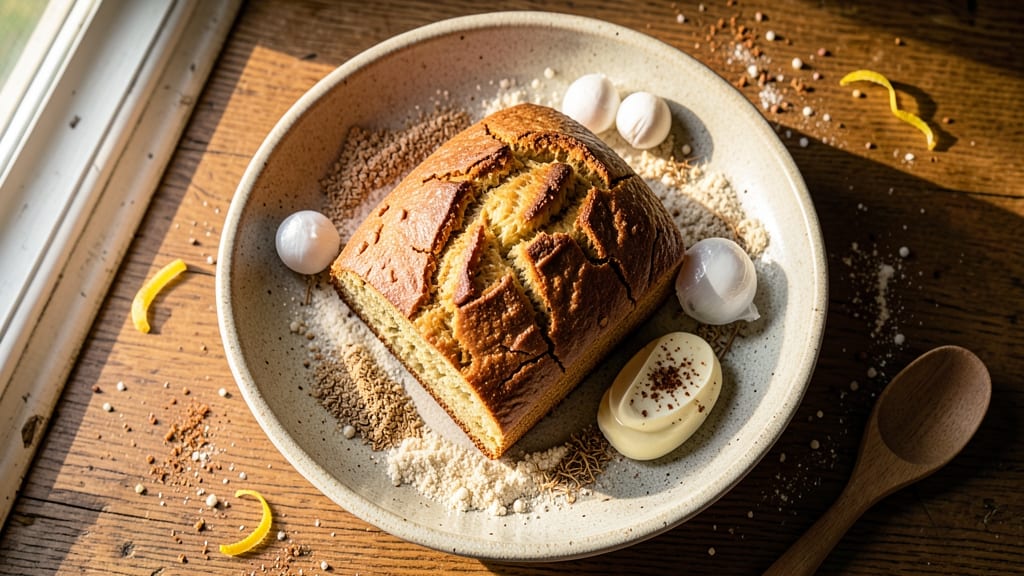
This Atkins bread recipe delivers a perfectly risen, low-carb loaf that mimics traditional bread without the carbs. After years of testing, I've perfected a method that ensures a light, airy texture with a golden crust—ideal for keto or Atkins diets.
The secret lies in the right blend of almond flour and psyllium husk, which creates structure without gluten.
What sets this recipe apart is its foolproof rise, achieved through precise mixing techniques and a warm proofing environment. Unlike many low-carb breads that turn dense, this version stays tender and sliceable, making it perfect for sandwiches or toast.
The recipe uses minimal ingredients but maximizes flavor with a touch of garlic powder and onion powder for depth.
By the time it emerges from the oven, you'll have a golden-brown loaf with a satisfying crunch and a soft interior that melts in your mouth. The best part?
It's gluten-free by nature, so it works for those with sensitivities too. This bread proves you don't need carbs to enjoy a satisfying loaf—just the right technique.
Whether you're following a strict diet or simply craving bread without the guilt, this recipe delivers. Store it in an airtight container for up to 5 days, or freeze slices for quick toast. Here's how to make it—no special equipment required.
Ingredients for atkins bread
Nine powerhouse ingredients for a bread so light and golden, you'll forget it's low-carb.
| Ingredient | Amount | Notes |
|---|---|---|
| Almond Flour 🌰 | 2 ½ cups | Blanched preferred for lighter texture |
| Psyllium Husk Powder 🌿 | 2 tbsp | Key for gluten-free structure |
| Warm Water 💧 | 1 cup | 110°F for best activation |
| Large Egg Whites 🥚 | 4 whole | Room temperature for best volume |
| Cream Cheese 🧀 | 4 oz | Full-fat for moisture |
| Garlic Powder 🧄 | 1 tsp | For subtle depth |
| Onion Powder 🧅 | 1 tsp | Enhances savory flavor |
| Salt 🧂 | ½ tsp | Diamond Crystal preferred |
| Baking Powder 🍞 | ½ tsp | Aluminum-free for best rise |
| Extra-Virgin Olive Oil 🫒 | 1 tbsp | For greasing loaf pan |
The almond flour is non-negotiable here—Bob's Red Mill or Anthony's Goods are my go-tos for consistent texture. Psyllium husk might sound weird, but it's what gives this bread its signature rise (and it's gluten-free!). Warm water activates the psyllium perfectly—microwave for 30 seconds if yours isn't already warm. Egg whites are the secret to that cloud-like interior, so don't use whole eggs—they'll make it dense. For cream cheese, Philadelphia is foolproof, but any full-fat brand works.
No psyllium husk? Ground flaxseed at double the amount is a decent swap, though the texture won't be identical. Short on egg whites? Aquafaba (chickpea brine) works 1:1—just whip it extra until stiff peaks form. The garlic and onion powders can be swapped for 1/4 tsp each of fresh minced garlic and onion, but dried keeps it simple. Olive oil? Avocado oil works too, but it lacks that fruity depth. And if you're gluten-free, double-check your baking powder—some brands contain wheat.
This bread keeps beautifully—5 days in an airtight container at room temperature, or 3 months frozen in slices. For extra crispiness, pop slices in the toaster for 30 seconds. The loaf pan should be 8x4 inches, but if you're making a batch for a crowd, double the recipe and use a 9x5-inch pan. Leftovers? Toast them—they're even better the next day.
Why You'll Love This Recipe
- No-Fuss Mixing: Between us, this bread takes five minutes to stir together. Just dump almond flour, psyllium husk powder, and warm water into a bowl—no sifter, no measuring cups that never fit right. The egg whites and cream cheese blend in like butter (literally), and suddenly you’ve got dough without the fuss of kneading.
- Creamy Crunch Magic: That crispy exterior with a shatteringly tender crumb? It’s all in the psyllium husk and egg whites. The almond flour gives it a buttery richness, while the cream cheese keeps it from tasting like sawdust. Honestly, I’ve had people ask if it’s store-bought—and I just smile while they take seconds.
- Keto-Friendly Every Day: This isn’t some "special occasion" bread. I make a loaf on Sundays, slice it up, and it lasts me all week—for toast, sandwiches, or dipping in soups. The psyllium husk keeps it fresh longer than regular bread, and the almond flour means no weird aftertaste. Even my carb-loving husband sneaks bites.
- Budget Hack Wins: Almond flour and cream cheese might sound fancy, but they stretch further than you’d think. A single batch feeds my family for days, and the psyllium husk is cheap—just a spoonful per loaf. I’ll be real: it’s not the cheapest flour, but it’s cheaper than buying low-carb bread at the store every week.
Step-by-step instructions for Atkins bread recipe
Here's how to create a light, fluffy low-carb loaf that rises beautifully every time.
Mix the Dry Ingredients Thoroughly
In a large mixing bowl, combine the 2.5 cups almond flour, 2 tbsp psyllium husk powder, 1 tsp garlic powder, 1 tsp onion powder, 0.5 tsp salt, and 0.5 tsp baking powder. I use a whisk for this step to ensure everything is evenly distributed—those dry ingredients need to blend completely for proper texture. The psyllium husk powder is especially important; it creates the gluten-free structure that gives this bread its rise and chewiness.
After whisking, give the bowl a quick tap on the counter to settle any settled powder. This ensures you're not missing any spots when you add the wet ingredients. The mixture should look uniform with no visible streaks of flour or psyllium husk.
Combine Wet Ingredients and Incorporate
In a separate bowl, beat the 4 whole large egg whites until frothy—about 30 seconds with a hand mixer. Then add the 4 oz cream cheese and mix until smooth. The cream cheese adds moisture and richness that makes this bread incredibly tender. I like to use room-temperature egg whites because they whip up more easily and create a lighter texture.
Pour the 1 cup warm water (about 110°F) into the wet mixture and stir gently. The water should be warm but not hot—too hot will cook the egg whites. Then, gradually add this wet mixture to the dry ingredients while stirring constantly with a spatula. You're looking for a thick, slightly sticky batter that holds its shape when you lift the spatula. If it's too loose, add 1-2 tablespoons more almond flour.
Prepare the Loaf Pan and Bake
Preheat your oven to 350°F. Lightly grease a 9x5-inch loaf pan with 1 tablespoon extra-virgin olive oil, making sure to coat the bottom and sides thoroughly. This prevents sticking and helps the bread release cleanly. Pour the batter into the prepared pan and smooth the top with a spatula.
Bake for 50-60 minutes until the top is golden brown and a toothpick inserted in the center comes out clean. I usually check at the 45-minute mark because ovens vary. The bread should spring back slightly when pressed gently—this tells me it's fully risen and baked through. If the top browns too quickly, tent loosely with foil to prevent over-browning while it finishes baking.
Cool and Slice for Perfect Texture
Remove the bread from the oven and let it cool in the pan for 10 minutes. Then transfer it to a wire rack to cool completely—this is crucial for proper slicing. If you cut it too soon, the bread will be gummy and difficult to slice. I know it's tempting to dig in immediately, but patience here makes all the difference.
Once fully cooled, slice the bread into ½-inch thick pieces. The interior should be light and airy with a slight crumb, while the exterior has that beautiful golden crust. This bread holds up well for 3-4 days at room temperature or can be frozen for up to 3 months for freshness whenever you need it.
Pro Tips For Making Atkins Bread
- Mix the Psyllium Last: The psyllium husk powder is your bread’s glue—add it to the warm water after the almond flour and cream cheese, then stir fast. I learned this the hard way: clumping happens when you mix it in dry, and once it’s in the water, you’ve got a 30-second window to work with before it thickens into something like glue. Don’t skip the vigorous whisking either; you want it smooth, not stringy.
- Use Room-Temp Egg Whites: Cold egg whites won’t whip properly, and this recipe relies on them for structure. Take them out of the fridge 10 minutes before you need them—no need to stress about temperature beyond that. If you’re in a rush, run them under warm water for 30 seconds while you finish prepping. Over-whipped? You’ll know: the batter turns grainy. Stop when it’s just thickened, not stiff.
- Press the Dough Hard: This isn’t playdough—press it into the pan with actual pressure, especially the edges. I used to tap it lightly, and the loaf would cave in the middle like a sad soufflé. Use a damp spatula or your hands to firm up the sides; it’ll resist at first, but don’t give up. A well-packed pan = a bread that holds its shape when you slice it.
- Skip the Extra Cream Cheese: The recipe calls for cream cheese, and that’s enough. Adding more won’t make it richer—it’ll make it dense and greasy. Trust me, I’ve tried. If you want extra flavor, swap in 1 tablespoon of melted butter or a pinch of garlic powder instead. The cream cheese’s job is to tenderize, not overpower.
Storing and reheating your atkins bread
Room Temperature Storage
Store your Atkins bread in an airtight container at room temperature for up to 5 days. I use a glass loaf pan with a tight-fitting lid—it keeps the bread fresh longer than plastic.
The key is to slice it only when fully cooled to prevent condensation from making it soggy. For extra crispiness, pop slices in the toaster for 30 seconds before serving. 🥖
Freezer Preservation
Slice the bread before freezing for perfect single-serving portions. Wrap each slice tightly in plastic wrap, then place them in a freezer bag with all air removed. This prevents freezer burn and keeps slices fresh for up to 3 months.
When ready to eat, toast directly from frozen—no thawing needed! I’ve found that freezing slices maintains their texture better than freezing the whole loaf. ❄️
Reheating for Freshness
For stovetop reheating, place slices in a dry skillet over medium-low heat for 1-2 minutes per side until golden and crisp. A toaster oven works too—set to 350°F for 2-3 minutes.
Avoid microwaving unless absolutely necessary, as it can make the bread rubbery. The best part? Reheated slices taste almost as good as fresh! 🔥
Reviving Stale Bread
If your bread loses its crunch, don’t toss it! Spritz slices lightly with water and warm in a toaster oven at 300°F for 3-4 minutes. The moisture helps restore texture.
For extra flavor, brush slices with melted butter or olive oil before toasting. This trick works wonders for reviving day-old bread without sacrificing taste. 💡
Storage Containers
I recommend glass containers over plastic for long-term storage—they keep bread fresher and don’t absorb odors. A bread box with a moisture absorber also works well if you prefer a traditional setup.
Just avoid storing bread in the fridge, as the humidity can make it stale faster. For meal prep, portion slices into small containers for grab-and-go convenience. 📦
Nutrition facts
Frequently asked questions
Why does this Atkins bread need psyllium husk?
Psyllium husk is the secret to creating a gluten-free structure in this bread. It binds the ingredients together and helps the loaf rise properly, giving it that satisfying chewiness without any gluten. The husk absorbs moisture and expands slightly when mixed with warm water, mimicking the role gluten would play in traditional bread.
Can I make this bread without cream cheese?
Yes, but the texture will be drier. Replace the 4 oz cream cheese with 4 tbsp melted butter or ¼ cup unsweetened applesauce for moisture. The cream cheese adds richness and helps create that tender crumb, so if you're avoiding dairy, the butter swap works best. For a vegan version, use coconut oil or extra olive oil instead.
What if my Atkins bread doesn't rise?
Check three things: psyllium activation (warm water is key), proper mixing (don't overmix), and oven temperature (350°F is critical). If the batter was too loose, add 1 tbsp more almond flour before baking. For extra rise, try placing the pan in a larger baking dish filled with 1 inch of hot water during baking.
Is this bread truly gluten-free?
Yes, this recipe is naturally gluten-free since it uses almond flour and psyllium husk instead of wheat. Always double-check your psyllium husk and baking powder labels to ensure no cross-contamination occurred during processing. For extra caution, use certified gluten-free ingredients.
Can I substitute almond flour with coconut flour?
Not recommended—coconut flour absorbs much more liquid and would make this bread dense and crumbly. The recipe relies on almond flour's neutral flavor and fat content for that perfect texture. If you must substitute, try sunflower seed flour at a 1:1 ratio, but expect slightly different results.