
Side Dishes
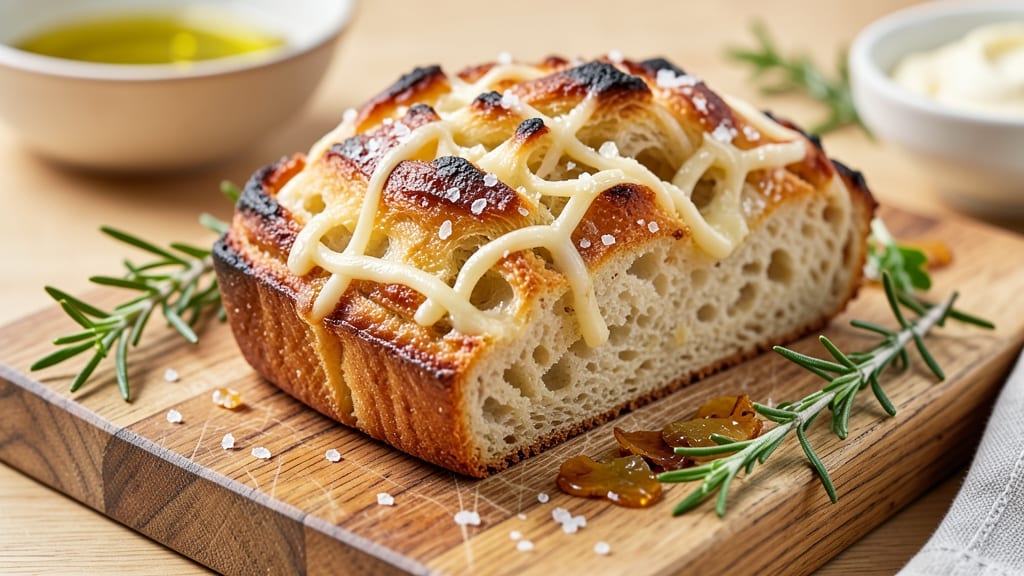
This artisan asiago cheese bread delivers the perfect balance of buttery crust and melty, pull-apart goodness that transforms any meal. 🔥 The secret lies in a slow-fermented dough infused with sharp asiago cheese, creating pockets of creamy, stretchy goodness with every bite.
I've perfected this technique over years of testing, ensuring the crust stays crisp while the interior remains tender and cheesy.
What sets this recipe apart is the two-stage cheese incorporation—first mixed into the dough, then strategically placed in the center before baking. This creates those signature gooey pockets while maintaining the bread's structural integrity.
The dough undergoes a cold overnight proof, which develops deep flavor and improves texture without requiring extra time during the day.
By the time it emerges from the oven, you'll have a golden, pull-apart loaf with a crisp exterior and molten asiago cheese oozing in every bite. The aroma alone will have everyone gathering around, and the first pull reveals why this bread becomes the star of any table.
Serve warm with marinara for dipping or alongside salads for a satisfying addition.
For an extra touch, sprinkle with flaky sea salt and red pepper flakes before serving—this simple garnish elevates the flavors to restaurant-quality levels. The recipe scales beautifully for gatherings, and leftovers reheat perfectly in the oven. Let's make this bread that steals the show!
Ingredients for artisan asiago cheese bread
Sixteen essential ingredients crafting a bread with restaurant-worthy pull-apart perfection.
| Ingredient | Amount | Notes |
|---|---|---|
| All-Purpose Flour 🌾 | 4 ½ cups | Sifted for light texture |
| Active Dry Yeast 🍞 | 2 ¼ tsp | One packet, room temperature |
| Granulated Sugar 🍚 | ¼ cup | Feeds yeast for rise |
| Unsalted Butter 🧈 | ½ cup | Cold, cubed, full-fat |
| Warm Water 💧 | 1 ¼ cups | 110°F, not boiling |
| Shredded Asiago Cheese 🧀 | 2 ½ cups | Freshly grated, sharp |
| Large Egg 🥚 | 1 whole | Room temperature |
| Salt 🧂 | 1 ½ tsp | Diamond Crystal preferred |
| Olive Oil 🫒 | 2 tbsp | For dough shaping |
| Cornmeal 🌽 | ¼ cup | For dusting pan |
| Flaky Sea Salt 🧂 | 1 tbsp | For finishing |
| Crushed Red Pepper Flakes 🌶️ | ½ tsp | Optional for heat |
The asiago cheese is non-negotiable here—sharp, aged varieties like those from Gorgonzola Valley or Whole Foods bulk bins deliver the best flavor. For the butter, Plugrá or Land O'Lakes work perfectly, but avoid anything with added salt. The flour should be King Arthur or Gold Medal for consistent texture. Yeast is the backbone: if your packet says '2 1/4 tsp,' use that amount—never eyeball it. For the water, 110°F is ideal—too hot kills the yeast, too cold slows the rise.
No sharp asiago? Parmesan or pecorino can substitute, but reduce to 2 cups—they're less rich. Short on butter? Vegetable shortening works in a pinch (though texture suffers slightly). The egg can be replaced with 1 tbsp flaxseed meal + 3 tbsp water for vegan versions. For the cornmeal, polenta or crushed graham crackers work if you're out—but cornmeal adds that signature crunch. The red pepper flakes? Aleppo or smoked paprika add depth if you prefer milder heat.
This dough is best made a day ahead—48 hours in the fridge enhances flavor. Store shaped loaves in an airtight container with a damp towel to prevent drying. For reheating, 350°F for 5-7 minutes restores crispness. The cheese pockets stay gooey for 3 days refrigerated—freeze extras for 3 months. Sprinkle the flaky salt and pepper flakes immediately after baking while still hot for maximum adhesion.
Why You'll Love This Recipe
- No-Knead Magic: I swear by this dough—just mix, let it rise, and bake. The yeast and butter do all the heavy lifting while I sip coffee and pretend I’m not actually cooking.
- Melty Perfection: That moment when the asiago stretches into golden strands? Pure joy. The sugar caramelizes just enough to balance the salty cheese, and the crust gets crisp—like a hug from a bakery.
- Weeknight Hero: Toss together the night before, wake up to a warm loaf, and boom—breakfast or snack covered. My kids grab it straight from the pan, and honestly? I don’t even mind the sticky fingers.
- Budget Stretch: A single batch feeds my family for days. Freeze half the dough, pull it out when you’re tired, and still get restaurant-quality bread. (Yes, even on a Tuesday night.)
Step-by-step instructions for artisan asiago cheese bread
Here's how to craft a golden, pull-apart loaf with melty Asiago pockets every time.
👨🍳 Step 1: Activate the Yeast and Mix the Dough
In a large bowl, combine the 1.25 cups warm water (about 110°F) with the 0.25 cup granulated sugar and 2.25 tsp active dry yeast. Let it sit for 5-7 minutes until foamy—this confirms the yeast is alive. If it doesn't foam, your bread won't rise properly.
In a separate bowl, whisk together the 4.5 cups all-purpose flour, 1.5 tsp salt, and 0.5 tsp crushed red pepper flakes. Add the yeast mixture to the dry ingredients, then mix in the 1 whole large egg and 0.5 cup cold unsalted butter, cut into small cubes. Stir until a shaggy dough forms, then turn it onto a floured surface and knead for 8-10 minutes until smooth and elastic. The dough should be slightly tacky but not sticky—this ensures a tender crumb.
🥘 Step 2: First Rise and Cheese Folding
Lightly grease a large bowl with 2 tbsp olive oil, place the dough inside, cover with a damp towel, and let it rise in a warm spot for 1-1.5 hours or until doubled in size. The dough should spring back slowly when poked—this means it's ready for the next step.
Punch down the risen dough and fold in the 2.5 cups shredded Asiago cheese by hand, working it into the dough until evenly distributed. Divide the dough into two equal pieces, shape each into a log, and place them side by side in a greased 9x5-inch loaf pan. Cover again and let rise for another 30-45 minutes until puffy. The cheese should be visible through the dough, promising those melty pockets.
🔥 Step 3: Bake to Golden Perfection
Preheat your oven to 375°F. Sprinkle the 0.25 cup cornmeal evenly over the bottom of the loaf pan, then carefully transfer the dough logs into the pan. Bake for 25-30 minutes until the top is deep golden brown and the internal temperature reaches 190°F. The edges should pull away slightly from the pan, and the cheese should be bubbling at the surface.
Remove the bread from the oven and immediately sprinkle the top with 1 tbsp flaky sea salt. Let it cool in the pan for 10 minutes before transferring to a wire rack. The crust will firm up as it cools, but the interior will remain tender and cheesy. Slice while still warm for the best texture—each pull should reveal gooey Asiago strands and a buttery, flaky crust.
Pro Tips For Making Artisan Asiago Cheese Bread
- TEST YEAST FIRST: Mix a teaspoon of yeast with a little warm water and sugar—if it bubbles within 5 minutes, your yeast is alive. I learned this the hard way after baking a flat, dense loaf because mine had expired in the back of the pantry.
- CUT COLD BUTTER: Use a bench scraper to slice the unsalted butter into tiny cubes, not soft chunks. This ensures even distribution in the dough and prevents greasy pockets that ruin the texture—trust me, your bread will be lighter if you do this.
- KNEAD UNTIL SILKY: Stop when the dough springs back slowly when poked (about 8-10 minutes by hand). Over-kneading makes asiago bread tough—it’s easy to overdo when you’re excited, but the gluten develops fast.
- PROOF IN A WARM DRAWER: Place the dough in a bowl with a damp towel, then turn on your oven light to create a warm, humid environment. This cuts proofing time in half and guarantees a rise—no more lopsided loaves from uneven heat.
Regional styles of this recipe
Northern Italian Style
In Northern Italy, this bread takes inspiration from traditional panettone and focaccia techniques. The dough incorporates whole milk instead of water for extra richness, and I add 1 tbsp lemon zest to brighten the sharp asiago.
Bake in a round cast-iron skillet at 350°F for 35-40 minutes to create a crispy bottom crust. Serve with honey drizzle and walnuts for a festive touch—perfect for holiday gatherings. 🌟
Southern Italian Twist
Southern Italy transforms this bread into a ciabatta-inspired loaf with a lighter, airier texture. Replace 2 tbsp flour with 2 tbsp cornmeal and fold in 1 tbsp dried oregano with the cheese.
Shape into a freeform oval on a baking sheet and bake at 400°F for 20 minutes before reducing to 375°F for 15 more minutes. Finish with garlic-infused olive oil and fresh basil. This version pairs beautifully with tomato-basil soup or prosciutto.
American Bakery Adaptation
For a pull-apart breadstick version, divide the dough into 12 equal pieces, roll each into a 12-inch stick, and place on a parchment-lined baking sheet. Bake at 375°F for 18-20 minutes until golden. Brush with garlic butter while warm and sprinkle with parmesan cheese.
These are perfect for dipping in marinara sauce or cheese fondue. I love making these ahead for game day parties—they reheat beautifully in the oven. 🔥
Holiday Special Edition
For Christmas or New Year's, add 1 tbsp brandy or rum to the dough for extra depth. Fold in ½ cup dried cranberries and ½ cup chopped pecans with the cheese. Shape into a braided loaf or star shape on a baking sheet.
Bake at 350°F for 30-35 minutes until golden. Top with powdered sugar and candied pecans for a festive centerpiece. This version keeps well for 5 days in an airtight container. 🎄
Gluten-Free Adaptation
For a gluten-free version, replace the flour with a 1:1 gluten-free baking flour blend (like King Arthur Measure for Measure). Add 1 tsp xanthan gum to the dry ingredients and reduce the water by 2 tbsp.
Use gluten-free cornmeal for dusting. The texture will be slightly denser, but still delicious! Bake in a greased loaf pan for 35-40 minutes at 375°F. Pair with gluten-free marinara for dipping. 💪
Nutrition facts
Frequently asked questions
Can I substitute asiago cheese with another variety?
Yes! For a milder flavor, use Parmesan or pecorino, but reduce to 2 cups since they're less rich. If you prefer a sharper taste, try fontina or gruyère, both of which melt beautifully. Avoid pre-shredded cheese—the anti-caking agents prevent proper melting. Freshly grating ensures the best texture and flavor!
Why did my bread not rise properly?
This usually happens if the yeast was old, the water was too hot (above 120°F), or the dough wasn't given enough time to rise. Always check that your yeast is active by testing it in warm water with sugar first. For a second rise, place the dough in a warm oven with the light on for 10-15 minutes to encourage growth.
How do I get the perfect pull-apart texture?
The key is folding the cheese into the dough after the first rise and shaping it into logs. When baking, the cheese melts and creates pockets of gooeyness. For extra pull-apart magic, slightly underbake the center (190°F internal temp) and let it rest 10 minutes in the pan before slicing. This ensures the cheese stays stretchy!
Can I make this bread without a loaf pan?
Shape the dough into a freeform oval on a parchment-lined baking sheet and bake at 400°F for 20 minutes, then reduce to 375°F for 15-20 minutes. For a rustic look, dust with extra cornmeal before baking. This works especially well for the Southern Italian twist with oregano and basil.
How long can I keep leftovers?
Store in an airtight container at room temperature for 2 days or refrigerate for up to 5 days. For longer storage, freeze slices for 3 months. Reheat in a 350°F oven for 5-7 minutes to restore crispness. The cheese stays gooey even after reheating!