
Main Courses
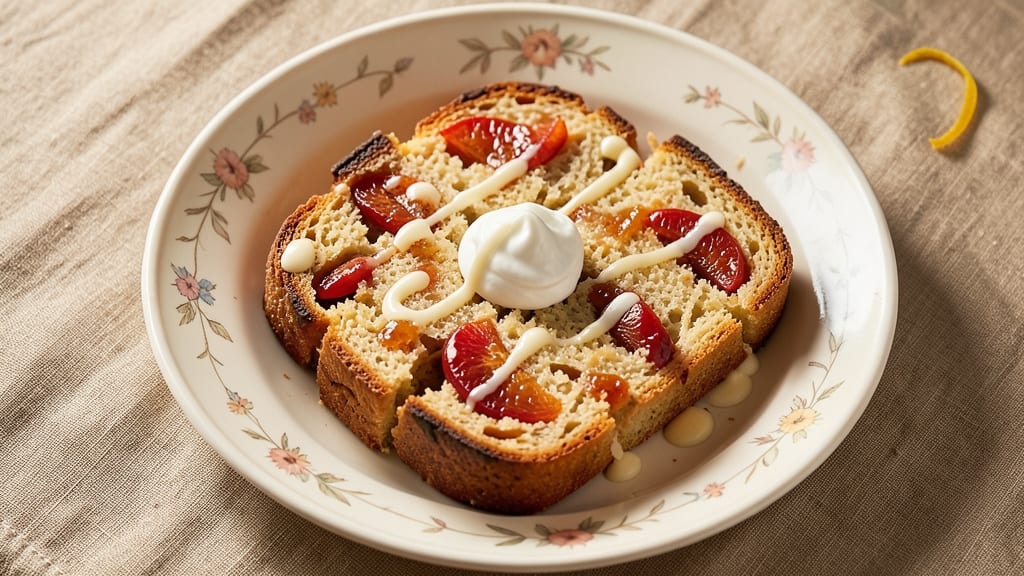
This apricot cream cheese bread recipe transforms a simple loaf into a showstopper with every bite—tender crumb, buttery swirls of cream cheese, and bursts of jammy apricot that balance sweet and tangy. The secret lies in layering flavors: a soft, slightly dense bread base infused with vanilla and cinnamon, then folded with cream cheese and apricot preserves for a texture that’s both rich and airy. I developed this recipe after years of baking, and it’s now my go-to for breakfast gatherings or holiday gifts—because nothing says "homemade love" like a warm loaf fresh from the oven.
The magic happens in the dough, where a touch of sour cream keeps it moist, and the cream cheese swirls melt into the bread during baking, creating pockets of velvety richness. Apricot preserves add natural sweetness without overpowering, while a hint of lemon zest brightens the flavor profile.
What makes this recipe foolproof is the one-bowl method—no fancy techniques required, just mixing, folding, and baking. The result? A loaf with a golden crust, soft interior, and a perfect balance of creaminess and fruitiness that disappears faster than you can say "second slice."
Perfect for brunch, dessert, or even as a sweet snack, this bread pairs beautifully with coffee or tea. The cream cheese swirls stay creamy, not greasy, and the apricot preserves add a subtle tartness that cuts through the richness.
It’s the kind of recipe that feels indulgent but isn’t overly sweet—ideal for those who love dessert but want something with depth. Plus, it keeps well for days, making it a great make-ahead option for busy mornings or special occasions.
For extra flair, brush the top with melted butter before baking for a shinier crust, or sprinkle a pinch of flaky sea salt on the finished loaf to enhance the flavors. The possibilities for variations are endless—swap apricot for peach or raspberry, or add a sprinkle of nuts for texture.
But as it stands, this recipe delivers a restaurant-quality loaf that’s surprisingly easy to make at home. Let’s get baking!
Ingredients for apricot bread recipe cream cheese
Eight essential ingredients blend to create a restaurant-quality apricot cream cheese loaf.
| Ingredient | Amount | Notes |
|---|---|---|
| All-Purpose Flour 🌾 | 4 cups | Sifted for even texture |
| Granulated Sugar 🍚 | ¾ cup | White or light brown |
| Unsalted Butter 🧈 | ½ cup | Cold, cubed for dough |
| Large Eggs 🥚 | 2 whole | Room temperature |
| Sour Cream 🥛 | ½ cup | Full-fat for moisture |
| Vanilla Extract 🌿 | 1 tbsp | Pure extract preferred |
| Ground Cinnamon 🌶️ | 1 tsp | Freshly ground preferred |
| Fine Sea Salt 🧂 | ½ tsp | Diamond Crystal preferred |
| Lemon Zest 🍋 | 1 tbsp | From organic lemon |
| Cream Cheese 🧀 | 8 oz | Full-fat, softened |
| Apricot Preserves 🍑 | ½ cup | No sugar added preferred |
| Milk 🥛 | ½ cup | Warm for best mixing |
The flour is your foundation—King Arthur or Bob's Red Mill are my go-tos for that tender crumb. Butter should be cold (not melted) to create flaky layers, but still workable when mixed with the dough. For the cream cheese, Philadelphia brand is foolproof—it's consistently smooth and melts beautifully. Apricot preserves? Look for low-sugar options at specialty stores like Whole Foods or Trader Joe's—they keep the flavor from being overpowered by sweetness. The lemon zest might seem small, but it's what brightens the whole loaf, cutting through the richness of the cream cheese. I always double-check my spices: Penzeys for cinnamon and Diamond Crystal for salt ensure consistent quality every time.
No cream cheese? Substitute mascarpone cheese or even softened ricotta, though the texture will be slightly different. Out of apricot preserves? Peach or raspberry jam works beautifully—just adjust the amount to taste. The sour cream is non-negotiable for moisture, but if you're out, Greek yogurt works in a pinch. For the butter, if you've only got salted, reduce the added salt by half. The milk can be warmed slightly to help dissolve the sugar better, but room temperature works too. And if you're feeling fancy, infuse the milk with a cinnamon stick while warming for extra depth (no need to remove it before using).
This dough keeps beautifully—3 days in the fridge wrapped tightly in plastic, or 3 months frozen for those last-minute baking needs. For freezing, shape the loaf and wrap it completely in plastic wrap, then foil. Thaw overnight in the fridge before baking. The finished loaf stays fresh for 2 days at room temperature if wrapped well, or 5 days in the fridge. I always slice and freeze individual portions for quick toast—just reheat in the oven for 5 minutes at 350°F to restore that fresh-from-the-oven warmth. The cream cheese swirls are best eaten within 2 days of baking, though—after that, they firm up nicely but lose some of that velvety melt.
Why You'll Love This Recipe
- No-Fuss Mixing: The dough comes together in one bowl—no stand mixer, no fuss. Just fold in the softened butter, sour cream, and those juicy apricot chunks, then let the flour and sugar do the rest. Honestly, my hands are usually sticky, but the result? Worth every smudge.
- Sweet Cream Cheese Magic: That tangy cream cheese swirled through the crumb? It’s the star. The butter keeps it rich, the sugar balances the apricot’s jammy sweetness, and the sour cream makes it unexpectedly tender. Between us, I’ve never met a slice that didn’t disappear fast.
- Breakfast to Brunch Hero: Cold slices toasted with butter? Check. Warm loaf with a smear of cream cheese and honey? Double check. It’s my go-to for lazy mornings, potlucks, or when I need something instantly impressive. (Yes, even on a Tuesday night.)
- Budget-Friendly Stretch: A single batch feeds my family for days—sandwiches, French toast, or just straight from the pan. The ingredients are pantry staples, and the leftovers? They keep like a dream. I’ll be real: this recipe saved me from takeout more times than I can count.
Step-by-step instructions for apricot cream cheese bread
This recipe delivers a tender loaf with rich cream cheese swirls and bursts of apricot flavor.
Mix the Dough for Perfect Texture
In a large mixing bowl, combine the 4 cups all-purpose flour, 0.75 cup granulated sugar, 1 tsp ground cinnamon, and 0.5 tsp fine sea salt. Whisk together until evenly distributed—this ensures no pockets of dry flour remain. Create a well in the center and add the 2 whole large eggs, 0.5 cup sour cream, 0.5 cup warm milk, 1 tbsp vanilla extract, and 1 tbsp lemon zest. Mix gently with a wooden spoon until just combined.
Next, cut in the 0.5 cup cold unsalted butter using a pastry cutter or your fingers until the mixture resembles coarse crumbs with pea-sized butter pieces. This cold butter creates flaky layers when baked. Once the dough comes together, knead it on a lightly floured surface for 5-7 minutes until smooth and elastic. If it feels too sticky, add 1-2 tablespoons more flour; if too dry, add 1 teaspoon milk. The dough should be soft but not tacky.
Prepare the Cream Cheese-Apricot Filling
In a separate bowl, beat the 8 oz softened cream cheese until smooth and creamy—about 2 minutes with an electric mixer. Stir in the 0.5 cup apricot preserves until fully incorporated. The mixture should be thick but spreadable. If it's too stiff, add 1 teaspoon milk to loosen it. Set aside while you shape the dough.
Roll the dough into a 12x18-inch rectangle on a floured surface, about ½-inch thick. Spread the cream cheese-apricot mixture evenly over the dough, leaving a ½-inch border around the edges. This border prevents the filling from oozing out during baking. Roll the dough tightly into a log, pinching the seam to seal.
Shape and Proof the Dough
Place the rolled dough seam-side down in a 9x5-inch loaf pan that has been lightly greased with butter. The dough should fit snugly but not overflow. Cover the pan with a clean kitchen towel and let it rise in a warm place for 1-1.5 hours, or until it has nearly doubled in size. The dough should feel light and springy when pressed gently with a finger.
Preheat your oven to 350°F while the dough proofs. Once the dough has risen, brush the top with a little milk for a golden finish. Bake for 50-55 minutes, until the top is deep golden brown and a toothpick inserted into the center comes out clean. The internal temperature should reach 190-195°F for perfect doneness.
Cool and Serve for Maximum Enjoyment
Remove the bread from the oven and transfer it to a wire rack to cool for 10 minutes. This brief cooling period allows the bread to set slightly before slicing. For best results, let it cool completely for 30 minutes before serving. The cream cheese filling will be warm and gooey, while the apricot swirls add a tangy contrast to each bite.
Slice the bread into 8 equal portions (about 1-inch thick slices) and serve warm. The texture should be tender with a slightly crisp crust, and the cream cheese-apricot filling should be rich and spreadable. Store any leftovers in an airtight container at room temperature for 2 days or refrigerate for up to 5 days. Reheat slices in a 350°F oven for 5-7 minutes to restore freshness.
Pro Tips For Making Apricot Bread Recipe Cream Cheese
- MIX THE DOUGH JUST TO COMBINE: Don’t overwork the flour-butter-sugar mix—stop as soon as the crumbs look like coarse sand. I learned this the hard way when my bread turned dense; too much mixing develops gluten, and this recipe relies on tender layers. Two minutes max with a wooden spoon or mixer on low.
- USE COLD BUTTER FOR LAYERS: Cut the butter into tiny cubes and toss it with the flour before adding liquid. Cold butter creates pockets that melt into flaky layers—skip this, and you’ll end up with a cakey mess. Chill the dough after mixing, even if you’re impatient.
- DON’T OVERMIX THE BATTER: Once you add the eggs and sour cream, fold just until combined. Lumps are fine; overmixing makes the bread gummy. I used to panic and stir until smooth, but the texture suffers. Three gentle turns with a spatula is all it needs.
- TEST DONENESS WITH A TOOTHPICK: The bread’s done when the center reads just under 200°F (93°C) and a toothpick comes out with a few moist crumbs—not wet batter. Oven temps vary, so resist opening the door to check. If it’s golden but gummy, it needs 5–10 more minutes.
Common mistakes when making your apricot bread recipe cream cheese
Overmixing the Dough
I’ve ruined countless loaves by overmixing the dough, which develops too much gluten and results in a tough, dense bread. Stop mixing as soon as the ingredients come together—just until you see no more dry flour.
Overmixing turns your tender, fluffy loaf into a chewy brick. Use a wooden spoon or your hands to gently fold the dough until it holds together, then knead for only 5-7 minutes. 🌾
Skipping the Proofing Step
Rushing the proofing is a classic mistake that leads to dense, flat bread. The dough needs that 1-1.5 hour rise to develop flavor and structure. If your kitchen is cold, place the dough near a warm oven (turned off) or use a proofing box.
A properly proofed loaf will have a light, airy texture—not a heavy, compact one.
Incorrect Cream Cheese Temperature
Using cold cream cheese straight from the fridge will result in clumpy, uneven filling. The cream cheese must be softened to room temperature before mixing with apricot preserves. I recommend letting it sit for 30-45 minutes or microwaving for 10-15 seconds (just enough to make it pliable).
Over-softening or melting it completely will make the filling runny and messy during baking.
Filling Too Close to Edges
If you spread the cream cheese-apricot mixture too close to the dough’s edges, it’ll ooze out during baking, creating a sticky mess. Always leave a ½-inch border around the dough before rolling it up.
This ensures the filling stays contained and creates those perfect pockets of flavor in every slice. 🧀
Overbaking the Loaf
Leaving the bread in the oven too long dries it out, turning the tender crumb into a tough, rubbery texture. The bread is done when it reaches an internal temperature of 190-195°F and a toothpick comes out clean.
Start checking for doneness at 45 minutes—every oven is different, so don’t rely solely on time. Pull it out just as the top turns golden brown.
Not Cooling Properly
Slicing the bread too soon after baking causes the cream cheese filling to ooze out and the crumb to collapse. Let the loaf cool on a wire rack for at least 10 minutes before slicing, and ideally 30 minutes for the best texture.
Patience here ensures clean slices with that perfect gooey filling intact. Trust me, the wait is worth it! ⏰
Nutrition facts
Frequently asked questions
Can I make this apricot bread without cream cheese?
Swap the cream cheese for 8 oz mascarpone or even 1 cup ricotta cheese mixed with 1 tbsp lemon juice for tanginess. The texture will be slightly lighter, but the apricot flavor will still shine. For a dairy-free option, use 8 oz vegan cream cheese and ensure your preserves are also plant-based.
How do I store leftover apricot cream cheese bread?
Wrap the cooled loaf tightly in plastic wrap or place it in an airtight container to keep it fresh for 2 days at room temperature. For longer storage, refrigerate for up to 5 days or freeze individual slices for 3 months. Reheat slices in a 350°F oven for 5-7 minutes to restore that fresh-baked warmth.
Can I use fresh apricots instead of preserves?
Yes, but you'll need to adjust the recipe slightly. Replace the 0.5 cup apricot preserves with 1 cup diced fresh apricots (about 2-3 medium apricots). Toss them in 1 tbsp lemon juice and 1 tsp sugar to prevent browning, then mix into the cream cheese filling. The texture will be slightly fruitier but still delicious—just expect a few small fruit pieces in each bite!
Why did my cream cheese filling ooze out during baking?
This usually happens when the filling is spread too close to the edges or the cream cheese wasn't softened enough. Always leave a ½-inch border around the dough and ensure the cream cheese is room temperature (not melted). If it happens, don't worry—the extra filling just means more flavor! Just scrape up any overflow and mix it back into the dough before rolling.
Can I make this bread in a different shape?
Instead of a loaf, shape the dough into a 9-inch round cake pan or a free-form braid for a festive touch. For a braid, divide the dough into 3 equal pieces, roll each into a log, and braid them together before proofing. Just reduce baking time by 5-10 minutes for smaller shapes, checking with a toothpick for doneness.