Side Dishes
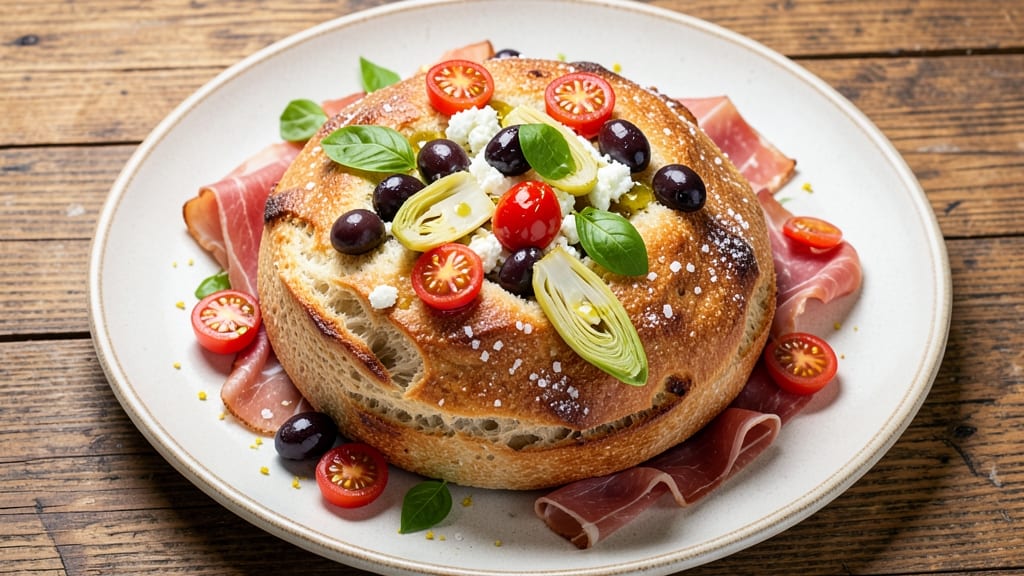
This antipasto bread loaf recipe transforms a simple loaf into a flavor-packed masterpiece with savory cheese swirls and Mediterranean herbs baked right in.
The secret lies in layering provolone, salami, sun-dried tomatoes, and olives into the dough before baking, creating a rich, herby loaf that's perfect for appetizers or charcuterie boards. Unlike traditional bread, this version delivers bold antipasto flavors in every bite—no assembly required after baking.
The dough comes together in just 15 minutes of prep, then bakes to golden perfection with a crisp crust and tender interior. I developed this recipe after craving something heartier than regular bread but still easy enough for weeknight dinners.
The key is mixing the antipasto ingredients into the dough before shaping, ensuring even distribution of those salty, tangy, umami flavors throughout.
What you'll end up with is a showstopping loaf that doubles as a meal—slice it thick for open-faced sandwiches, serve with olive oil and balsamic for dipping, or pair with a bold Italian red wine.
The aroma alone will have guests asking for seconds, and the texture stays fresh for days when stored properly.
Perfect for holiday gatherings, game day spreads, or when you want to elevate a simple meal. Here's how to make it—step by step—for a bread loaf that tastes like a trip to Italy without the passport.
Ingredients for antipasto bread loaf
Transform simple bread into a Mediterranean masterpiece with these carefully chosen ingredients.
| Ingredient | Amount | Notes |
|---|---|---|
| All-Purpose Flour 🌾 | 4 cups | Unbleached preferred for flavor |
| Active Dry Yeast 🍞 | 2 ¼ tsp | Ensure yeast is fresh |
| Granulated Sugar 🍚 | 1 tbsp | For yeast activation |
| Warm Water 💧 | 1 ¼ cups | 110°F for optimal yeast |
| Unsalted Butter 🧈 | ½ cup | Cold, cubed for dough |
| Large Eggs 🥚 | 1 whole | Room temperature for mixing |
| Diamond Crystal Kosher Salt 🧂 | 1 ½ tsp | Adjust to taste |
| Dried Oregano 🌿 | 1 tsp | Mediterranean blend preferred |
| Dried Basil 🌿 | 1 tsp | Crumbled for even distribution |
| Shredded Provolone Cheese 🧀 | 1 ½ cups | Freshly grated for texture |
| Diced Salami 🍖 | 1 cup | Italian variety preferred |
| Chopped Sun-Dried Tomatoes 🍅 | ½ cup | Oil-packed for moisture |
| Pitted Kalamata Olives 🫒 | ½ cup | Chopped for even distribution |
| Extra-Virgin Olive Oil 🫒 | 2 tbsp | For dough and brushing |
| Coarse Cornmeal 🌽 | ¼ cup | For bread pan coating |
The foundation starts with high-quality flour—look for unbleached varieties at Whole Foods or King Arthur Flour for better flavor development. Fresh yeast is non-negotiable here; Saf-Instant works well if you're short on time, but active dry yeast gives that classic bread aroma. For the antipasto elements, Italian salami and Kalamata olives from Trader Joe's or specialty delis elevate the dish beyond basic bread. The provolone should be freshly grated—pre-shredded contains anti-caking agents that prevent proper melting. When selecting sun-dried tomatoes, opt for oil-packed varieties to maintain moisture during baking.
No provolone? Fontina or Gruyère work beautifully as substitutes, though the flavor profile shifts slightly. Running low on salami? Diced pepperoni or capicola provide similar salty punch, but reduce the amount by one-third to avoid overpowering. For a vegetarian twist, swap the salami for marinated artichoke hearts and increase the olives to three-quarters cup. The dried herbs can be substituted with fresh basil and oregano at double the amount, but they'll release moisture during kneading—adjust the flour slightly if needed. If you're using a bread machine, reduce the yeast to 1.5 teaspoons and add the antipasto ingredients during the kneading cycle.
This loaf stays fresh for 3-4 days when wrapped tightly in plastic at room temperature, but it's even better reheated the next day. For longer storage, slice and freeze individual portions on a tray before transferring to a bag—up to 3 months without losing texture. The crust can be refreshed by brushing with olive oil and baking at 350°F for 5-7 minutes. For serving, pair with aged balsamic glaze or a sharp Italian white wine to complement the antipasto flavors. The leftovers make excellent croutons or breadcrumbs for future recipes.
Why You'll Love This Recipe
- No-Knead Magic: I swear by this dough—just mix, let it rise, and bake. No stand mixer, no elbow grease, just warm water and yeast doing the work while I sip coffee.
- Buttery, Herby Bliss: That melted butter folded into the dough? Pure comfort. It’s like a warm, golden hug with just a hint of garlic and herbs—simple but ridiculously satisfying.
- Party in a Loaf: Slice it for charcuterie, toast it for bruschetta, or serve it fresh with olive oil—this bread does it all. Honestly, I’ve used it for everything from game day snacks to Sunday dinner sides.
- Leftovers That Don’t Suck: The crust stays crisp for days, and the inside stays soft. I’ve reheated slices in the oven for breakfast toast and used stale pieces for croutons—zero waste, all flavor.
Step-by-step instructions for savory cheese and herb bread loaf
Transform simple dough into a flavor-packed loaf with rich antipasto swirls and golden crust.
Activate the Yeast and Prepare the Dough Base
In a small bowl, combine the 1.25 cups warm water (about 110°F), 1 tbsp granulated sugar, and 2.25 tsp active dry yeast. Let sit for 5-10 minutes until frothy—this confirms the yeast is alive and ready to work. If it doesn't bubble, your yeast may be stale, and you'll need to start over.
In a large bowl, whisk together the 4 cups all-purpose flour and 1.5 tsp diamond crystal kosher salt. Cut in the 0.5 cup cold unsalted butter using a pastry cutter or your fingers until the mixture resembles coarse crumbs with pea-sized butter pieces remaining. This texture is crucial for proper gluten development.
Mix and Knead the Dough to Develop Gluten
Make a well in the center of the dry ingredients and add the yeast mixture, 1 whole large egg, and 2 tbsp extra-virgin olive oil. Using a wooden spoon, gradually incorporate the wet ingredients into the dry until a shaggy dough forms. Transfer to a lightly floured surface and knead for 8-10 minutes until smooth and elastic.
The dough should spring back slowly when poked and feel slightly tacky but not sticky. If it's too dry, add 1 tsp warm water at a time; if too sticky, add 1 tbsp flour. Shape into a ball, place in a lightly oiled bowl, cover with a damp towel, and let rise in a warm place for 1-1.5 hours or until doubled in size. This first rise builds structure for the flavorful swirls.
Prepare the Antipasto Filling and Shape the Loaf
In a small bowl, mix together the 1.5 cups shredded provolone cheese, 1 cup diced salami, 0.5 cup chopped sun-dried tomatoes, 0.5 cup pitted kalamata olives, 1 tsp dried oregano, and 1 tsp dried basil. Set aside—this will be the heart of your antipasto bread.
Punch down the risen dough to release air, then roll it out on a floured surface into a 12x16-inch rectangle (about ¼-inch thick). Spread the antipasto mixture evenly over the dough, leaving a 1-inch border around the edges. Starting from the long side, tightly roll the dough into a log, sealing the seam. Place seam-side down in a 9x5-inch loaf pan coated with 0.25 cup coarse cornmeal to prevent sticking.
Proof and Bake for Maximum Flavor Development
Cover the loaf pan with a damp towel and let the dough rise for 30-45 minutes until it domes slightly above the pan. Preheat your oven to 375°F with a baking stone or inverted baking sheet on the lower rack—this creates steam for a crispy crust. Brush the loaf generously with 1 tbsp extra-virgin olive oil and sprinkle with 1 tsp diamond crystal kosher salt for color and flavor.
Bake for 35-40 minutes until the loaf is deep golden brown and sounds hollow when tapped on the bottom. If the top browns too quickly, tent loosely with foil after 20 minutes. The internal temperature should reach 190-200°F at the center. Remove from the oven and let cool in the pan for 10 minutes before transferring to a wire rack.
Pro Tips For Making Antipasto Bread Loaf
- Bloom the Yeast First: Skip mixing yeast straight into flour—it’s a surefire way to waste it. Instead, dissolve it in warm water (110°F) with sugar first, then let it sit for 5–10 minutes until foamy. If it doesn’t bubble, your loaf will taste flat and dense. Trust me, this 5-minute step saves you from a sad, heavy loaf.
- Soften That Butter: Cold butter in dough makes for a tough, dry loaf. Rub it between your fingers until it’s just soft enough to press into the flour—like a firm room-temperature stick. This ensures even distribution and a tender crumb. (Yes, even if you’re impatient like me.)
- Knead Until Silky: Stop when the dough springs back slowly after pressing it. Over-kneading glues the gluten, making the loaf tough. Aim for about 8–10 minutes by hand or 5–6 minutes in a mixer—just until it’s smooth and slightly tacky. Your hands should come away clean, not sticky.
- Proof in a Warm Spot: A cold kitchen = a sad rise. Place your dough in a lightly oiled bowl, then cover it with a damp towel and set it near the oven (with the light on) or on top of the fridge for 1–2 hours. This steady warmth doubles the yeast’s speed without overproofing. No fancy equipment needed.
Dietary considerations for this recipe
Gluten-Free Adaptation
For a gluten-free version, replace the all-purpose flour with a 1:1 gluten-free baking flour blend like King Arthur Measure for Measure. Add 1 tsp xanthan gum to help bind the dough, and increase the water by 2 tbsp since gluten-free flours absorb more moisture.
Let the dough rest for 10 minutes after mixing to hydrate properly. The texture will be denser but still delicious with the antipasto swirls. 🌾
Dairy-Free Options
Swap out the provolone for dairy-free mozzarella shreds (like Miyoko's) or a sharp nutritional yeast blend for umami depth. Use olive oil instead of butter in the dough and brush the crust with it instead of butter.
The salami and sun-dried tomatoes will still provide plenty of flavor without dairy. For extra richness, add ¼ cup dairy-free cream cheese to the antipasto mix.
Low-Sodium Version
Reduce the kosher salt to 1 tsp total and use low-sodium salami or unsalted sun-dried tomatoes (like House Foods brand). Boost flavor with 1 extra tsp dried basil and ½ tsp garlic powder—these add depth without sodium.
Taste the antipasto mix before rolling it into the dough to adjust seasoning. For extra flavor punch, add 1 tbsp capers to the filling.
Vegetarian-Friendly
Replace the salami with marinated artichoke hearts (drained) and diced roasted red peppers for moisture and sweetness. Add ½ cup chopped sun-dried mushrooms for umami. Use vegan provolone (like Violife) or extra nutritional yeast to maintain that cheesy pull.
The olives and tomatoes will keep the Mediterranean vibe intact while making it fully plant-based. 🌱
Allergen-Free Tips
Check all dried herbs for soy additives (common in some blends) and use certified gluten-free, dairy-free, and soy-free ingredients if needed. For nut-free kitchens, ensure olive oil is processed in a nut-free facility.
When storing, keep the bread in an airtight container with a slice of bread or a paper towel to absorb excess moisture and prevent mold growth from any potential cross-contamination.
Nutrition facts
Frequently asked questions
Can I make this antipasto bread loaf without a loaf pan?
Shape the dough into a free-form loaf or round boule instead. For a rustic look, place it on a parchment-lined baking sheet and bake at 375°F for 30-35 minutes until golden. Brush with olive oil halfway through for extra crispiness. The texture will be slightly denser but still packed with flavor!
How do I prevent the antipasto ingredients from sinking to the bottom?
Roll the dough into a ¼-inch thick rectangle and spread the antipasto mixture evenly, leaving a 1-inch border. When rolling, keep the seam tight and place it seam-side down in the pan. The dough's structure will help hold everything in place during baking. For extra insurance, chill the shaped loaf in the fridge for 20 minutes before baking.
What's the best way to reheat sliced antipasto bread?
For crispy slices, wrap individual portions in foil and warm at 350°F for 5-7 minutes. To refresh the crust, brush slices with olive oil and bake uncovered for 3-5 minutes. Avoid the microwave—it turns the bread gummy. For leftovers, store slices in an airtight container with a paper towel to maintain freshness for up to 3 days.
Can I add other antipasto ingredients like capers or roasted peppers? Yes! Add 1 tbsp capers or ½ cup diced roasted red peppers to the antipasto mix for extra depth. Just reduce the olives to ¼ cup to balance moisture. For a spicier kick, add ½ tsp red pepper flakes.
Why did my bread turn out dense instead of light and airy?
Dense bread usually means the yeast didn't activate properly or the dough didn't rise enough. Ensure your water is 110°F (not boiling) and the yeast is fresh. Also, check that the dough doubled in size during the first rise—if not, let it rise longer. For extra lift, add 1 tsp baking powder to the dry ingredients. Overmixing or underkneading can also affect texture, so knead until smooth but not tough.