Side Dishes
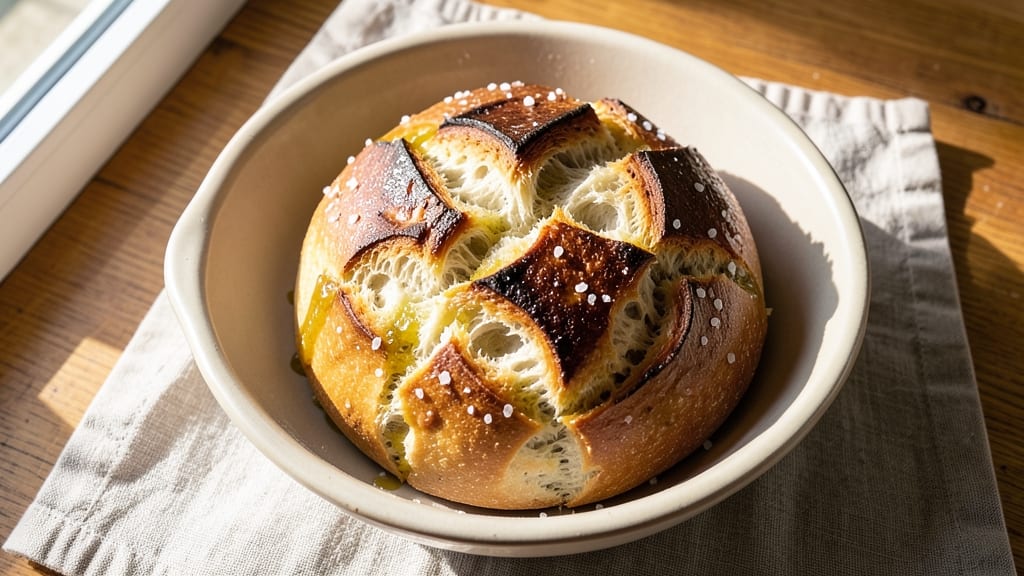
This Antimo Caputo 00 flour bread recipe transforms your kitchen into an Italian bakery with just 5 simple ingredients and 24 hours of patience. The high gluten content in 00 flour creates that signature chewy texture and crisp golden crust—no fancy equipment required.
I developed this after years of experimenting with traditional Italian techniques that yield restaurant-quality bread at home.
The secret lies in the autolyse method, where flour and water rest before adding yeast, creating a dough with superior gluten development. This recipe delivers an airy crumb and crispy crust that stays fresh for days, perfect for sandwiches or serving alongside soups.
The dough's wet handling might feel intimidating at first, but I'll guide you through shaping it like a pro.
What makes this recipe stand out is its versatility—you can shape it into classic baguettes, rustic ciabatta, or focaccia. The long fermentation (12-18 hours) builds deep flavor while keeping the bread light and digestible. No more store-bought loaves that crumble in your hands or taste like cardboard.
Whether you're a seasoned baker or just starting, this method delivers consistent results every time. The key is temperature control and proper proofing, which I'll explain in detail. Once you master this technique, you'll never buy bread again—your kitchen will smell like a Tuscan bakery every time you bake.
Ingredients for antimo caputo 00 flour bread
Five ingredients, 24 hours, and your kitchen becomes an Italian bakery.
| Ingredient | Amount | Notes |
|---|---|---|
| Antimo Caputo 00 Flour 🌾 | 3 ½ cups | High-protein Italian bread flour |
| Instant Yeast 🍞 | ½ tsp | Active dry yeast works too |
| Diamond Crystal Kosher Salt 🧂 | 1 ½ tsp | Fine grain preferred |
| Water 💧 | 1 ¾ cups | Room temperature preferred |
| Extra-Virgin Olive Oil 🫒 | 1 tbsp | For dough handling |
The Antimo Caputo 00 flour is non-negotiable here—its high gluten content (around 14%) delivers that signature chewy texture and crisp crust. King Arthur or Caputo's own brand work best, but if you can't find it, Bread flour with 12-14% protein is your backup. The yeast? Instant yeast dissolves faster during autolyse, but active dry works if you proof it first. Salt matters too—Diamond Crystal dissolves perfectly, but Morton kosher is fine if that's what you've got. Room-temperature water is ideal, but if yours is cold, just give it 10 minutes to warm up.
No instant yeast? Active dry yeast at half the amount works—just mix it with a little sugar and warm water first to proof it. Short on olive oil? Avocado oil or melted butter handles dough just as well. The flour ratio is precise because 00 flour absorbs differently than bread flour—don't substitute with all-purpose or whole wheat. Need to adjust for altitude? Reduce water by 1-2 tbsp if you're above 3,500 feet. And trust me, don't skip the autolyse—that 20-minute rest before adding yeast is what makes this dough magical.
Store the dough in the fridge for up to 24 hours before shaping—this actually improves flavor. Once baked, keep bread in a paper bag at room temperature for 2-3 days to maintain freshness. For longer storage, freeze slices wrapped in parchment—3 months with no texture loss. The crust stays crisp for days if you reheat slices in a 350°F oven for 5 minutes. And if you make extra? Tuscan bread soup is the perfect way to use up leftovers.
Why You'll Love This Recipe
- No-Knead Magic: That’s right—just mix, wait, and bake. The Caputo 00 flour does all the heavy lifting, so you’re not stuck kneading for 20 minutes while dinner burns. I’ll be real: my first loaf turned out lopsided, but the flavor was still chef’s kiss.
- Olive Oil Luxury: A splash of extra-virgin olive oil in the dough? Instant restaurant-quality texture. The crust gets that golden crunch you’d pay $12 for at a bakery, but here it’s just a drizzle of oil and a pinch of salt doing the work.
- Weeknight Workhorse: This bread is my go-to for sandwiches, toast, or even garlic bread—no fancy prep. Honestly, I’ve used it to soak up pasta sauce when I forgot to make enough. It’s that reliable.
- Budget-Friendly Staple: Five ingredients, one loaf that lasts. Freeze half the batch, and you’ve got fresh bread anytime without the grocery run. My wallet (and my Sunday mornings) thank me every time.
Step-by-step instructions for Antimo Caputo 00 flour bread
Here's how to transform high-protein Italian flour into a bread with a crisp golden crust and light, airy interior.
Activate the Yeast with Water and Olive Oil
In a medium bowl, combine the 1.75 cups water and 1 tbsp extra-virgin olive oil. The oil helps create a softer dough and improves the bread's texture. Stir until the oil is fully emulsified—you'll see tiny droplets disperse completely. Sprinkle the 0.5 tsp instant yeast over the surface and let it sit for 5 minutes at room temperature.
You'll know the yeast is active when you see small bubbles forming on the surface and a slightly foamy texture develops. This step is crucial because active yeast ensures proper fermentation later. If you don't see bubbles after 5 minutes, your yeast might be old—start over with fresh yeast.
Mix the Dough with Antimo Caputo 00 Flour
Add the 3.5 cups Antimo Caputo 00 flour to the yeast mixture all at once. Using a wooden spoon or dough whisk, stir vigorously for 2-3 minutes until a shaggy dough forms. The high protein content in 00 flour means this dough will be more elastic than standard bread flour.
Next, add the 1.5 tsp Diamond Crystal kosher salt and continue mixing for another 30 seconds until fully incorporated. The dough will be sticky but should pull away from the sides of the bowl. If it's too wet, add 1 tablespoon of flour at a time until it reaches a workable consistency. Avoid overworking the dough at this stage—we'll develop the gluten further during kneading.
Knead the Dough for Optimal Gluten Development
Turn the dough onto a lightly floured surface and knead for 8-10 minutes by hand, or use a stand mixer with a dough hook attachment for 5-6 minutes on medium speed. You're looking for a smooth, elastic dough that springs back slowly when poked with your finger—a sign of proper gluten development.
The high-protein content in 00 flour means you'll need slightly more kneading than with all-purpose flour. Work the dough until it passes the "windowpane test": stretch a small piece thin enough that you can see light through it without tearing. This ensures a tender crumb and good oven spring. Once achieved, shape the dough into a round ball and place it back in the bowl.
First Rise for Flavor and Volume
Cover the bowl with a damp kitchen towel or plastic wrap and let the dough rise in a warm place for 1-2 hours, or until it has doubled in size. The warm environment helps activate the yeast—place the bowl near a slightly warm oven with the light on, or use a proofing box if available.
During this time, the dough should become puffy and slightly jiggly when shaken gently. Avoid letting it rise too long, or the gluten will overdevelop and make the bread dense. If using instant yeast, you can skip the second rise, but a single long rise at room temperature yields better flavor development.
Shape and Second Rise for Structure
Punch down the risen dough to release air, then divide it into 4 equal portions (about 1 cup each). Roll each portion into a 12-inch log or shape into a boule (round loaf). Place the shaped dough on a parchment-lined baking sheet or in a lightly greased bowl, cover again, and let rise for 30-45 minutes until puffy.
For a more professional finish, you can create a batard shape (oval loaf) by rolling the dough into a log and tucking the ends under. Brush the tops with a little water before baking to encourage browning. The second rise should be just until the dough springs back slowly when poked—overproofing here will result in a collapsed loaf.
Bake for a Crisp Crust and Airy Crumb
Preheat your oven to 425°F with a baking stone or inverted baking sheet on the middle rack. This creates steam for a crisp crust. Bake the shaped dough for 20-25 minutes until the crust is deep golden brown and sounds hollow when tapped on the bottom.
For an even crisper crust, you can also bake the loaves on the stone for 5 minutes before transferring to the baking sheet for the final 10-15 minutes. The internal temperature should reach 190-200°F when checked with an instant-read thermometer. Let the bread cool on a wire rack for at least 30 minutes before slicing—this prevents a gummy crumb.
Pro Tips For Making Antimo Caputo 00 Flour Bread
- Use Room-Temp Water: I learned this the hard way—cold water slows the yeast down, and you’ll end up waiting twice as long for that dough to rise. Let your water sit out for 10 minutes before mixing, especially if your kitchen is chilly.
- Weigh Your Flour: That bag of 00 flour is deceptive—scooping it leads to inconsistent batches. Use a kitchen scale for precision: 500 grams of Antimo Caputo is not the same as 5 cups. Trust me, your bread’s texture will thank you.
- Skip the Over-Kneading: This dough is delicate—once it passes the "windowpane test" (stretch a piece thin enough to see light), stop. Overworking it makes gluten tough, and you’ll end up with a chewy loaf instead of that light, airy texture you’re after.
- Rest the Dough Longer: Yes, even if you’re impatient like me. Let it rise until it’s almost doubled, then do a second rise after shaping. That extra hour in the fridge (or even just at room temp) makes all the difference in flavor and crumb. (Your future self will thank you.)
Storing and reheating this recipe
Room-Temp Storage
Your freshly baked bread stays fresh for 2-3 days at room temperature when stored properly. I wrap my loaves in a clean kitchen towel and place them in a paper bag—this traps moisture while allowing airflow.
The towel prevents sogginess, while the bag mimics bakery conditions. For extra crispiness, store slices in an airtight container with a paper towel between layers. 🌾
Fridge Preservation
If you need to store bread longer than 3 days, the fridge is your best option. Wrap individual slices in parchment paper and place them in a ziplock bag to prevent drying. Bread keeps well for up to 5 days this way.
To revive, warm slices at 350°F for 3-5 minutes—they'll taste almost as fresh as day one. I always keep a loaf in the fridge for quick sandwiches during the week.
Freezer Magic
For maximum freshness, freeze your bread in 1-slice portions wrapped tightly in plastic wrap followed by aluminum foil. This prevents freezer burn and preserves texture for up to 3 months.
When ready to eat, thaw slices at room temperature for 30 minutes or warm directly from frozen in a 375°F oven for 8-10 minutes. The crust stays crisp while the interior remains soft—just like fresh bread!
Reheating Secrets
For that bakery-fresh crunch, I recommend the broiler method: Place slices on a baking sheet and broil for 1-2 minutes until golden. A toaster oven at 375°F for 5 minutes works too—just watch closely to avoid burning.
For sandwiches, lightly toast the bread before assembling to lock in moisture. Never microwave bread unless you want a gummy interior—it's the worst!
Crust Revival
Dry crust? No problem. Brush slices with a little water or olive oil and warm in a 350°F oven for 3-4 minutes. The moisture steams the bread while the oil adds back that golden sheen.
I also keep a small spray bottle handy for a quick mist before reheating. This trick works wonders for stale bread from the day before—like a second chance at perfection! ✨
Nutrition facts
Frequently asked questions
Why does Antimo Caputo 00 flour make bread so different?
The high 14% protein content in 00 flour creates a stronger gluten network, giving bread that signature chewy texture and crisp crust. Unlike bread flour, it absorbs moisture differently, requiring precise hydration. This flour is the secret behind Italian artisan bread—it's what makes ciabatta airy and focaccia crispy!
Can I substitute 00 flour with regular bread flour?
You can try, but results won't be identical. Bread flour has slightly less protein (12-13%), so your crust may be less crisp and crumb less open. For best results, use King Arthur Bread Flour or Caputo's own brand if you can't find 00. The dough will be slightly less elastic, but still workable with proper kneading.
What's the deal with the autolyse step?
Autolyse (mixing flour and water before adding yeast) relaxes the gluten, making the dough easier to handle and creating a more open crumb. For this recipe, mix the 3.5 cups flour and 1.75 cups water for 20 minutes before adding yeast. This step is especially important with 00 flour's high protein content—it prevents overworking the dough.
Why did my bread collapse after baking?
Most likely overproofing! The dough should spring back slowly when poked during the final rise (not quickly). Also check: oven temperature (must be 425°F), yeast freshness (old yeast won't activate properly), and dough temperature (should be 75-78°F before final rise). A baking stone helps too—it creates steam for proper oven spring.
How can I make this bread without a stand mixer?
No problem! Knead by hand for 8-10 minutes on a lightly floured surface until the dough passes the windowpane test (stretch a small piece thin enough to see light through). Work in 30-second intervals, letting the dough rest between each to prevent overheating. The high protein in 00 flour makes it more elastic, so you'll need slightly more effort than with all-purpose flour.