
Side Dishes
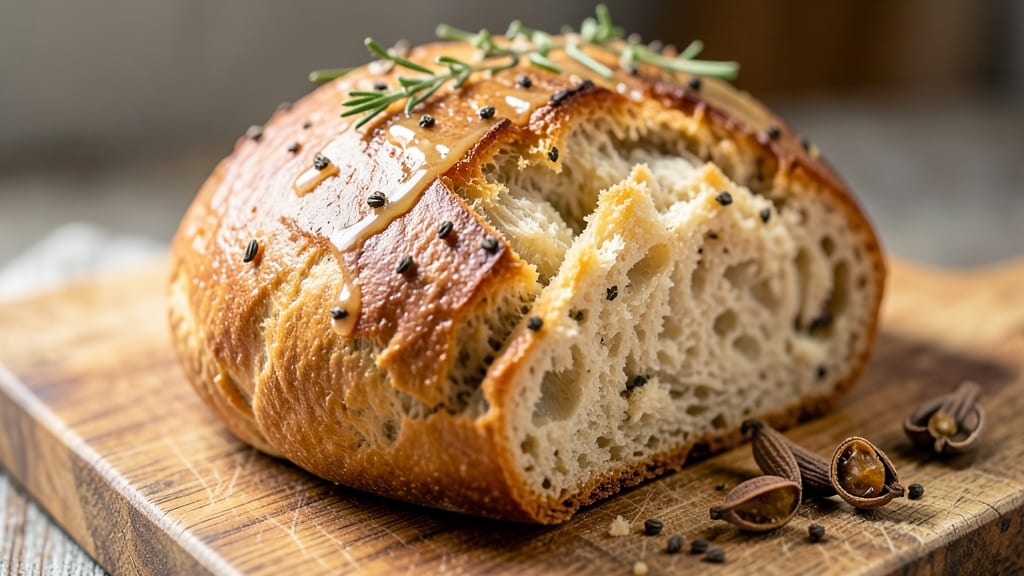
This anise bread machine recipe transforms your kitchen into a European bakery with minimal effort—just add anise seeds for that signature licorice-kissed flavor and a fragrant crust that’ll make your home smell like a Parisian patisserie.
The beauty of using a bread machine lies in its precision: no guesswork, no over-kneading, just set-it-and-forget-it magic that yields a loaf with a crisp exterior and tender crumb.
I developed this recipe after years of experimenting with European-inspired breads, and the anise adds a subtle sweetness that pairs perfectly with butter or jam.
The secret to achieving that authentic anise flavor lies in the preparation—toasting the seeds before mixing unlocks their aromatic potential, while a touch of honey balances the licorice notes for a harmonious taste.
This recipe is designed specifically for bread machines, with a 30-minute prep time and a 2-hour baking cycle, including automatic kneading and proofing. Whether you're a beginner or a seasoned baker, the machine handles the heavy lifting, ensuring consistent results every time.
What you’ll end up with is a golden, fragrant loaf that’s perfect for breakfast toast, sandwiches, or gifting to neighbors—its crust crackles with every bite, while the interior remains soft and slightly sweet.
The anise seeds infuse the dough with their distinctive flavor without overpowering it, creating a bread that’s both comforting and sophisticated. Best of all, this recipe uses simple pantry staples, so you won’t need to hunt for specialty ingredients.
For those who love experimenting, try adding a splash of orange zest to the dough for a citrusy twist or sprinkling extra seeds on top before baking for a decorative finish.
Once baked, let the loaf cool completely on a wire rack—this prevents sogginess and allows the flavors to fully develop. Ready to bake?
Ingredients for anise bread machine
Anise seeds, warm milk, and honey—just 11 ingredients transform your bread machine into a Parisian bakery.
| Ingredient | Amount | Notes |
|---|---|---|
| All-Purpose Flour 🌾 | 3 ½ cups | Unbleached preferred for better texture |
| Active Dry Yeast 🍞 | ¼ oz | Or 2.25 tsp (1 packet) |
| Granulated White Sugar 🍚 | ¼ cup | Balances anise flavor |
| Unsalted Butter 🧈 | ¼ cup | Softened, not melted |
| Whole Milk 🥛 | ½ cup | Warm to room temperature |
| Large Egg 🥚 | 1 whole | Room temperature |
| Anise Seeds 🌿 | 1 ½ tbsp | Toasted for aroma |
| Honey 🍯 | 2 tbsp | Light variety preferred |
| Diamond Crystal Kosher Salt 🧂 | 1 ½ tsp | Adjust to taste |
| Orange Zest 🍊 | 1 tbsp | Optional citrus twist |
| Extra Virgin Olive Oil 🫒 | 2 tbsp | For greasing pan |
Anise seeds are the star here, and toasting them before adding unlocks their full licorice aroma. Grab them from the spice aisle at Whole Foods or Trader Joe's—they keep for months in an airtight container. For the yeast, FreshPaks work best if you're feeling fancy, but the little envelopes are fine. The flour should be unbleached all-purpose—bread flour adds too much gluten for this delicate dough. I always grab my honey from Local Honey Co-op if I'm making this in spring, but any light honey works in a pinch.
No anise seeds? Fennel seeds at double the amount give a similar anise-like flavor, though it's not identical. Running short on honey? Maple syrup works too, but it has a stronger flavor. The butter needs to be softened—microwave it for 40 seconds to just melt it, then let it cool slightly. For the milk, warm it to about 110°F (just warm to the touch). The orange zest is optional but adds a lovely brightness—just make sure it's fresh, not dried. If you're using a bread machine pan, grease it with olive oil and dust with flour before adding the dough.
This dough is best made fresh, but you can prep it up to 12 hours ahead and let it rise in the fridge. Once baked, let the loaf cool completely on a wire rack—at least 2 hours—to prevent sogginess. Store wrapped at room temperature for 3 days or freeze for 3 months. The crust stays crisp for about a day, so slice it thin for toast. For extra flavor, brush the warm loaf with melted butter and sprinkle more anise seeds on top before baking.
Why You'll Love This Recipe
- Hands-Off Rise: The bread machine does all the heavy lifting—just toss in the flour, yeast, sugar, butter, and milk, then let it knead and proof itself. No punchy arms or guesswork about timing.
- Licorice-Kissed Warmth: That anise seed infusion? It’s like a cozy hug in bread form—sweet, herbal, and just a whisper of licorice that lingers. The butter and milk make it rich without being heavy.
- Breakfast or Snack Star: Slice it toasted for French toast, pack it for lunches, or serve it fresh with jam. It’s my go-to for quick meals when I’m too tired to think past "carbs, now."
- Budget Bread Magic: Uses pantry staples and stretches into days of meals. A single batch feeds my family for breakfast, sandwiches, and even a quick toast for dessert—no waste, all flavor.
Step-by-step instructions for anise bread machine recipe
Here's how to transform simple ingredients into a fragrant, licorice-kissed loaf with a perfect crust.
Prepare the Anise Seeds and Mix Wet Ingredients
Start by toasting the 1.5 tablespoons anise seeds in a dry skillet over medium heat for 1-2 minutes until fragrant. Watch them carefully—they'll darken quickly but shouldn't burn. Let them cool for 5 minutes before grinding lightly in a mortar and pestle or spice grinder. This releases their aromatic oils and deepens the licorice flavor.
In a separate bowl, whisk together the 0.5 cup warm whole milk, 0.25 cup softened unsalted butter, 0.25 cup granulated white sugar, 2 tablespoons honey, and 1 tablespoon orange zest. The mixture should be smooth and slightly thickened from the honey. Add the 1 whole large egg and whisk until fully combined. This creates the flavor base that will carry through the entire loaf.
Combine Dry Ingredients and Assemble in Bread Pan
In the bread machine pan, combine the 3.5 cups all-purpose flour and 1.5 teaspoons diamond crystal kosher salt. Make a well in the center and pour in the wet ingredients. Use a wooden spoon to stir gently until just combined—you'll see some dry spots, which is perfect. The dough should be shaggy but pull together when pressed.
Sprinkle the toasted anise seeds evenly over the dough and mix lightly with a spoon. This ensures each bite gets that signature licorice aroma. The bread machine will handle the kneading, but giving the seeds a head start in the mix guarantees even distribution. Cover the pan loosely with a kitchen towel and let it rest for 10 minutes at room temperature.
Set Bread Machine to Basic White Bread Cycle
Grease the inside of the bread machine pan with 1 tablespoon extra virgin olive oil using a pastry brush, making sure to coat all surfaces. This prevents sticking and creates a beautiful, glossy crust. Add the dough to the pan and scrape any stray bits from the sides into the center.
Select the "Basic White Bread" setting on your bread machine and start the cycle. Most machines take about 3 to 3.5 hours for this cycle, including kneading, rising, and baking. The machine will handle everything—kneading the dough until smooth, letting it rise until doubled, and baking until the internal temperature reaches 190°F. Don't be tempted to open the lid during the cycle, even if it smells amazing—this disrupts the rising process.
Cool and Enjoy Your Fragrant Loaf
When the bread machine signals the cycle is complete, remove the loaf immediately and place it on a wire rack. Let it cool for at least 30 minutes—this allows the internal structure to set and prevents a gummy texture. The crust should be golden brown with a slight sheen from the olive oil, and you'll catch that unmistakable anise aroma wafting through your kitchen.
Slice the bread while still warm for the best texture—each slice should have a tender crumb with subtle anise notes and a crisp, fragrant crust. Store any leftovers wrapped in a clean kitchen towel to maintain freshness for up to 3 days at room temperature. For extra flavor, lightly toast slices before serving and drizzle with a bit of honey or serve with herbed butter.
Pro Tips For Making Anise Bread Machine
- Warm the Milk First: Cold milk kills yeast faster than you’d think—especially in anise bread, where the yeast has to work harder against the anise’s strong flavor. Heat the milk to about 110°F (just warm to the touch) before mixing it in, and your dough will rise smoother and faster. I used to skip this, and my dough would take forever to proof.
- Cut Cold Butter: Unsalted butter straight from the fridge is your friend here. Cut it into small cubes and let them sit in the flour mixture for a few minutes before the machine starts kneading—this keeps the dough from getting too sticky and ensures those little butter pockets melt just right during baking. Trust me, your bread will be flakier if you do this.
- Don’t Overload the Machine: Anise bread is dense, but stuffing the machine past its recommended weight (usually 2-3 lbs max) guarantees a gummy, uneven loaf. If your recipe calls for a larger batch, split it into two cycles—your bread will rise better, and you won’t end up with a sad, flat loaf that tastes like dough.
- Brush with Milk, Not Water: After baking, brush the warm loaf with a mix of melted butter and warm milk (about 1 tablespoon each) while it’s still in the pan. This keeps the crust soft and adds a subtle richness that dry water brushing can’t match—especially important for anise bread, which can dry out faster than regular loaves. (Yes, it’s an extra step, but it’s worth it.)
Creative variations of these flavors
Herbal Infusions
Swap anise seeds for 1 tablespoon each of toasted fennel seeds and cardamom pods to create a Middle Eastern-inspired twist. Toast the fennel seeds in a dry pan for 1 minute until fragrant, then crush lightly with a mortar and pestle.
The cardamom adds a floral depth that pairs beautifully with the honey. 🌿
Citrus Variations
Boost the brightness with 1 tablespoon lemon zest instead of orange, or add ½ teaspoon ground cinnamon for warmth. The lemon zest creates a zesty contrast to the anise, while cinnamon adds a subtle spice that complements the licorice notes. I love this combo for breakfast toast with herbed butter.
Sweet Enhancements
For a dessert-style loaf, increase honey to 3 tablespoons and add ½ cup chopped dried figs to the dough. The figs caramelize slightly during baking, creating pockets of sweetness that balance the anise. This version pairs perfectly with vanilla ice cream or whipped cream.
Savory Twist
Cut the sugar to ¼ cup and add ½ teaspoon dried rosemary plus 1 tablespoon chopped fresh thyme. The herbs add an earthy contrast to the anise, making this ideal for savory sandwiches or pairing with charcuterie boards. Toast the herbs lightly before mixing for maximum flavor.
Gluten-Free Adaptation
Replace the all-purpose flour with 3 cups gluten-free 1:1 baking flour (like Bob's Red Mill) plus 2 tablespoons xanthan gum. The dough will be stickier, so grease the pan extra well.
Add 1 extra tablespoon olive oil to the wet ingredients to improve texture. The anise flavor shines through even in this adapted version.
Make-Ahead Options
Prepare the dough up to 24 hours ahead and refrigerate it in the bread machine pan. When ready to bake, let it sit at room temperature for 1 hour before starting the cycle.
For freezing, bake the loaf completely, then wrap tightly in plastic wrap followed by aluminum foil. Thaw at room temperature for 2 hours before toasting.
Nutrition facts
Frequently asked questions
Can I substitute anise seeds with something else?
If you don't have anise seeds, try 1 tablespoon fennel seeds (toasted and crushed) or ½ teaspoon ground anise extract (though this is stronger). For a different flavor profile, ½ teaspoon ground cinnamon or 1 teaspoon orange zest can add warmth and brightness instead. The key is balancing the flavor—start with half the amount if substituting.
Why does my bread machine anise bread smell so strong?
The anise seeds release their aromatic oils during baking, creating that signature licorice scent. To control the intensity, lightly toast the seeds for 1 minute instead of 2 minutes before grinding. For a milder flavor, reduce the amount to 1 tablespoon instead of 1.5 tablespoons. The honey in the recipe also enhances the aroma, so adjust sweetness if needed.
How do I know when the bread is fully baked?
Your bread machine will signal completion when the internal temperature reaches 190°F. Look for a golden-brown crust with a hollow sound when tapped on the bottom. If unsure, use an instant-read thermometer—insert it into the center of the loaf. The crumb should be soft but not gummy, and the anise flavor should be present but not overpowering.
Can I make this anise bread without a bread machine?
Yes! Mix the dough as directed, then let it rise for 1-2 hours until doubled. Punch it down, shape into a loaf, and bake at 375°F for 25-30 minutes until golden. Brush the crust with melted butter while warm for extra flavor. The texture will be slightly denser, but the anise taste remains delicious. Use a Dutch oven for a crispier crust.
How should I store leftover anise bread?
Wrap the cooled loaf tightly in a clean kitchen towel or plastic wrap to keep it fresh for 3 days at room temperature. For longer storage, slice and freeze individual portions for up to 3 months. Toast frozen slices directly in the toaster—no thawing needed! The anise flavor intensifies slightly as the bread sits, making it even more aromatic the next day.