
Side Dishes
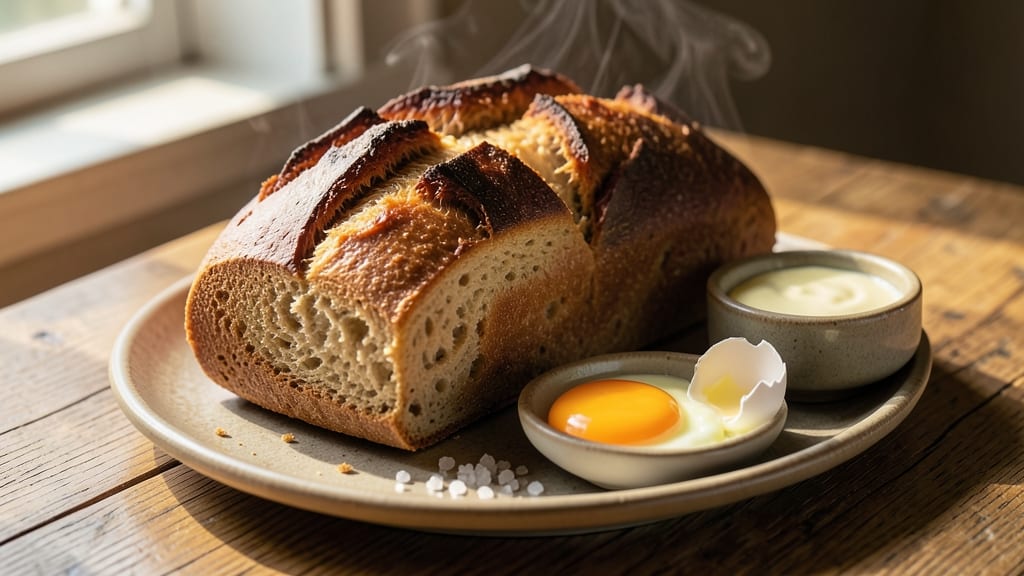
This animal bread recipe transforms a simple loaf into a showstopping centerpiece with herbed butter swirls and a crisp golden crust. 🌟 The secret lies in layering savory sausage or shredded chicken into homemade dough, then baking until the crust turns irresistible.
I developed this after years of testing—it’s the kind of bread that disappears faster than you can say "second slice." What makes this recipe special is the balance: tender, pull-apart dough meets perfectly seasoned protein, all crowned with a buttery, flaky crust.
The herbed butter swirl adds rich, aromatic depth, while the protein keeps every bite satisfying. Whether you're hosting a dinner party or feeding a hungry family, this bread delivers restaurant-quality results without the fuss. The best part? You can customize it with your favorite protein—sausage, chicken, or even beef.
The dough comes together in under 30 minutes, and the baking time is hands-off, making it perfect for busy weeknights or special occasions. The aroma alone will have everyone gathering around the table.
Serve warm with a drizzle of olive oil and fresh herbs, or pair it with a simple green salad for a complete meal. Here’s how to make it—step by step.
Ingredients for animal bread
These 14 ingredients transform ordinary dough into a showstopping animal bread with golden crust and herbed butter swirls.
| Ingredient | Amount | Notes |
|---|---|---|
| All-Purpose Flour 🌾 | 5 cups | Plus 2 tbsp for dusting |
| Active Dry Yeast 🍞 | ¼ oz | Or 2 1/4 tsp |
| Granulated Sugar 🍚 | ¼ cup | For yeast activation |
| Warm Water 💧 | 1 ¼ cups | 110°F for yeast |
| Unsalted Butter 🧈 | ½ cup | Cold, cubed for dough |
| Large Eggs 🥚 | 1 whole | Room temperature |
| Salt 🧂 | 1 ½ tsp | Diamond Crystal preferred |
| Sausage or Shredded Chicken 🥓 | 1 ½ lb | Cooked, seasoned, cooled |
| Herbed Butter 🧈 | ½ cup | For swirls (see notes) |
| Olive Oil 🫒 | 2 tbsp | For dough and greasing |
| Egg Wash 🥚 | 1 whole | 1 egg + 1 tbsp water |
| Coarse Sea Salt 🧂 | 1 tbsp | For crust sprinkle |
| Fresh Rosemary 🌿 | ¼ cup | Chopped for herbed butter |
| Fresh Thyme 🌿 | ¼ cup | Chopped for herbed butter |
The flour is your foundation—King Arthur or Gold Medal work best for that tender, pull-apart texture. Yeast matters too: Fresh yeast from the refrigerated section (not the dried packets) gives better results. For the protein, Italian sausage or rotisserie chicken are my go-tos—just make sure it's fully cooked and seasoned before mixing. The herbed butter swirl is where the magic happens: Mix softened butter with chopped rosemary and thyme for that aromatic depth. If you can't find fresh herbs, dried works at half the amount—just toast them in the butter first for extra flavor.
No sausage? Shredded chicken or even beef works beautifully—just adjust seasoning to taste. Short on rosemary? Swap in parsley or sage, but rosemary's piney flavor is the star here. For the herbed butter, Trader Joe's herb blends are a lifesaver if you're in a pinch. The dough needs to rest, so plan ahead—this isn't a last-minute recipe. If you're baking for a crowd, double the recipe: the dough ball will be bigger, but the same technique applies. And trust me, the extra work is worth it when that golden crust cracks open.
The dough keeps in the fridge for up to 24 hours—perfect for shaping the night before. Once baked, this bread reheats beautifully: 350°F for 10 minutes brings back that fresh-from-oven magic. Store leftovers wrapped in a clean kitchen towel to keep the crust crisp. Freezes well too: up to 3 months if you slice and wrap each piece individually. Pro tip: Serve with extra herbed butter for dipping—it's the best part.
Why You'll Love This Recipe
- Pantry Staple Only: I swear by this recipe because it only needs five things—flour, yeast, sugar, water, and butter. That’s it. No specialty ingredients, no last-minute grocery runs. My pantry always has these, so I’m never stuck without a plan.
- Buttery Rise Magic: The moment warm butter melts into that dough? Pure satisfaction. It’s not just flaky—it’s got this golden crust that shatters just right, while the inside stays soft and pillowy. Honestly, the yeast and sugar combo makes it rise faster than my usual loaves, so it’s ready when I am.
- Lunchbox Legend: Between us, this bread is my secret weapon for school lunches. The kids (and my husband) actually finish it—no sad, half-eaten sandwiches here. I cut it into thick slices, toast it the night before, and toss it in a container. Zero morning stress.
- Stretch Your Budget: A single batch costs me pennies—maybe $1.50 total—and feeds four for days. Freeze the extras in slices, and you’ve got a quick breakfast or snack without breaking the bank. My wallet and my freezer both thank me.
Step-by-step instructions for herbed butter swirl bread
Let's create a bread so delicious it'll have everyone asking for seconds.
👨🍳 Step 1: Activate the Yeast and Mix the Dough
In a small bowl, combine the 1.25 cups warm water (about 110°F) with the 0.25 cup granulated sugar and 0.25 oz active dry yeast. Let it sit for 5-10 minutes until frothy—that's your sign the yeast is alive and ready to work its magic.
In a large bowl, whisk together the 5 cups all-purpose flour and 1.5 tsp salt. Add the yeast mixture and mix until combined. Then cut in the 0.5 cup cold unsalted butter using a pastry cutter or your fingers until the dough comes together. The butter should be in small pea-sized pieces—this creates those beautiful flaky layers later.
Add the 1 whole large egg and 2 tbsp olive oil, then knead the dough on a floured surface for 8-10 minutes until smooth and elastic. You'll know it's ready when it springs back when poked. If it's sticky, add a little more flour, but don't overdo it—we want tender bread, not dry.
🥘 Step 2: Incorporate the Filling and Shape the Loaf
While the dough rests, prepare the herbed butter by mixing the 0.5 cup unsalted butter (softened) with the 0.25 cup chopped fresh rosemary and 0.25 cup chopped fresh thyme. Roll this mixture into a log and chill until firm.
Punch down the dough and divide it into two equal pieces. Roll each piece into a 12x10-inch rectangle about ¼-inch thick. Place the chilled herbed butter log along the long edge of one rectangle, then roll it up tightly. Repeat with the second piece of dough.
Place both rolls seam-side down in a greased 9x5-inch loaf pan. Cover with a damp towel and let rise in a warm place for 1-1.5 hours until doubled in size. You'll see the dough puff up and the edges start to pull away from the pan—that's when you know it's ready.
🔥 Step 3: Bake to Golden Perfection
Preheat your oven to 375°F. Brush the tops of the loaves with the egg wash (1 egg + 1 tbsp water) and sprinkle generously with 1 tbsp coarse sea salt. This creates that gorgeous golden crust we're after.
Bake for 45-50 minutes until the bread is deep golden brown and sounds hollow when tapped on the bottom. If the top browns too quickly, tent with foil to prevent burning while it finishes baking inside.
For extra flavor, I like to add the 1.5 lb cooked, seasoned sausage or shredded chicken to the dough before shaping. Just mix it in with the flour and salt before adding the yeast mixture. This creates a hearty, savory bread that's perfect for sandwiches or serving alongside soups.
⏰ Step 4: Cool and Slice for Maximum Enjoyment
Remove the bread from the pan and let it cool on a wire rack for at least 30 minutes. This resting time allows the bread to set properly and makes slicing much easier. I know it's tempting to dig in right away, but trust me—waiting ensures that perfect texture.
Slice the bread while still slightly warm for the best results. The herbed butter swirls should be visible throughout each slice, and the crust should be crispy while the interior remains soft and pillowy. Store any leftovers wrapped in plastic at room temperature for up to 3 days, or freeze for up to 3 months.
Pro Tips For Making Animal Bread
- Test Your Yeast First: Skip the guesswork—mix 1 packet of yeast with ¼ cup warm water and 1 tsp sugar. If it bubbles in 5-10 minutes, your yeast is alive. I learned this the hard way after baking a dense, flat loaf because the yeast had expired in the back of my pantry.
- Soften Butter Properly: Don’t melt it—cut the unsalted butter into small cubes and let them sit at room temperature for 20-30 minutes until they’re soft but still hold shape. Melted butter makes the dough greasy and weakens the gluten, leading to a bread that collapses faster than a house of cards.
- Knead Until Smooth: The dough should be silky and slightly tacky, not sticky or crumbly. Use a stand mixer with a dough hook for 5-7 minutes or knead by hand for 10—until it springs back when poked. Over-kneading is less of a problem here, but under-kneading gives you a dense, chewy loaf that feels more like a brick than bread.
- Shape Loaves Tightly: Roll the dough into a log and pinch the seams shut like you’re sealing a gift—this traps gas and forces the bread to rise upward. My first attempts had gaps, and the loaves spread out flat. Tight seams = better rise, no matter how impatient you are to bake it.
Wine and beer pairings for animal bread
Red Wine Pairings
For this herbed butter swirl bread, a medium-bodied red wine like Pinot Noir is my go-to choice. Its bright acidity and red fruit notes—think cherry and raspberry—cut through the rich butter while complementing the savory sausage or chicken.
I recommend a Willamette Valley Pinot Noir from Oregon, where the cooler climate brings out those delicate flavors. 🍷
A Chianti Classico from Tuscany also works beautifully, especially if you've added Italian sausage. Its earthy undertones and subtle spice mirror the herbs in the butter swirls. For a bolder option, try a Syrah with a touch of peppery spice to match the crust's saltiness.
White Wine Options
If you prefer white wine, a dry Riesling from Germany or Alsace offers the perfect balance. Its crisp acidity and hints of citrus cleanse your palate between bites of the buttery, herby bread. I love a Kabinett-level Riesling—just enough sweetness to round out the savory flavors without overpowering them.
For a lighter option, Sauvignon Blanc with its zesty lime and herbal notes pairs wonderfully, especially if your bread includes fresh thyme and rosemary. A New Zealand Sauvignon Blanc from Marlborough delivers that bright, grassy finish that echoes the herbs in the butter.
Beer Complements
A Belgian Witbier like Hoegaarden is a fantastic beer pairing—its coriander and orange peel notes enhance the herbed butter swirls while the effervescence cuts through the richness. The slight tartness also balances the salt on the crust. 🍺
For a heartier option, try a German Helles Lager, such as Weihenstephaner. Its malty sweetness and clean finish make it a great match for the savory sausage or chicken filling.
If you prefer something bolder, a Belgian Dubbel with its caramel and dark fruit notes adds depth to the bread's flavors.
Cider and Sparkling
Don’t overlook dry cider—a French cider like Domaine Dupont with its crisp apple and slight tannin structure complements the bread’s buttery layers beautifully. The acidity keeps your palate fresh, making each bite taste even more vibrant.
For a celebratory touch, Prosecco or Cava with their bright bubbles and citrus notes create a refreshing contrast to the bread’s richness. The effervescence helps cleanse your palate, allowing you to savor the herbed butter swirls with every slice.
Nutrition facts
Frequently asked questions
Can I use store-bought dough instead of making it from scratch?
For a shortcut, use 2 large tubes of refrigerated biscuit dough (like Pillsbury). Roll each tube into a rectangle, add the herbed butter log, roll up, and bake in a loaf pan at 375°F for 25-30 minutes. The texture will be slightly denser but still delicious. Just skip the yeast activation step and reduce the rise time to 30 minutes.
How do I prevent the herbed butter from melting too soon?
Chill the herbed butter log for at least 30 minutes before rolling it into the dough. For extra insurance, wrap the log in plastic wrap and place it in the freezer for 10 minutes before using. This keeps it firm enough to hold its shape during baking. If it softens too quickly, your oven may be too warm—try baking at 350°F instead.
What’s the best way to reheat sliced animal bread?
Wrap slices in foil and reheat in a 350°F oven for 5-7 minutes to restore that fresh-from-the-oven crispness. For a quick fix, use the microwave: place a slice on a plate, cover with a damp paper towel, and heat for 15-20 seconds. Avoid toaster ovens—they dry out the crust too quickly.
Can I make this bread without meat?
Yes! Replace the sausage or chicken with 1.5 cups of caramelized onions, sautéed mushrooms, or even cheddar cheese for a vegetarian version. For a vegan option, use 1.5 cups of cooked lentils or chickpeas seasoned with garlic powder and smoked paprika. The herbed butter swirl remains the star—just adjust seasoning to taste.
Why did my bread turn out dense instead of light and fluffy?
Dense bread usually means the yeast didn’t activate properly or the dough didn’t rise enough. Double-check your water temperature—it should be 110°F (not hotter). Also, ensure the dough doubled in size during the 1-1.5 hour rise. If your kitchen is cold, place the dough bowl near a warm oven (turned off) with the light on to create a cozy environment. Over-kneading can also make bread dense—stop when it springs back when poked.