
Side Dishes
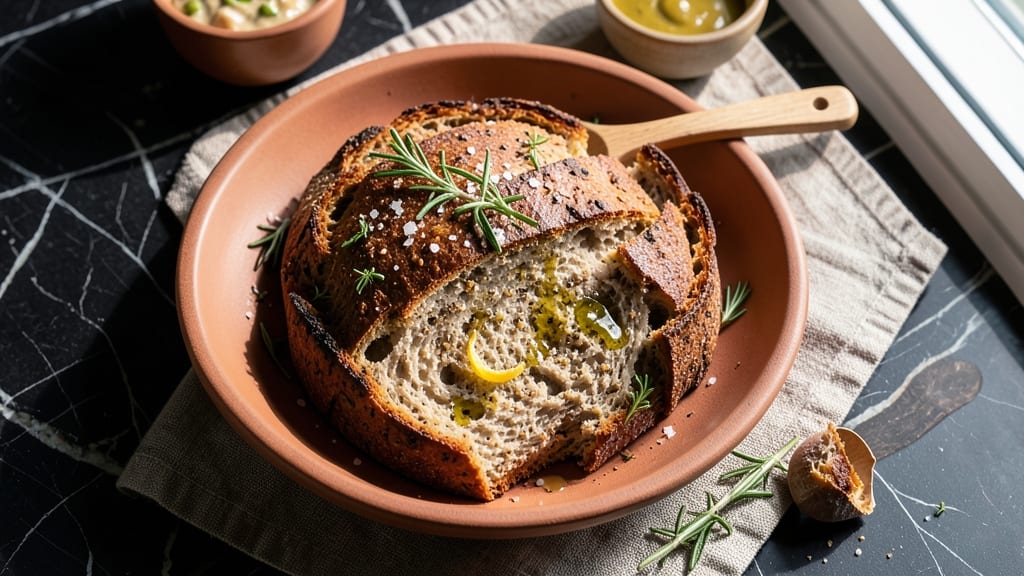
This ancient Hebrew bread recipe transports you straight to biblical times with its simple yet profound technique. Unleavened and nutty, it mirrors the matzo of Passover but with deeper flavor—perfect for historical reenactments or traditional meals. The key lies in precise measurements and traditional baking methods that honor centuries-old traditions.
What sets this bread apart is its authentic texture: crisp edges, tender centers, and a subtle nuttiness from whole grains. Unlike modern breads, this version requires no yeast, relying instead on quick preparation and high-heat baking—just as it was made in ancient Israel.
The dough comes together in minutes, but the cultural significance is timeless.
Once baked, this bread pairs beautifully with olive oil, honey, or charred vegetables, offering a taste of history with every bite. The recipe preserves the essence of ancient Hebrew cuisine while adapting to modern kitchens. Whether for a Seder meal or everyday enjoyment, it delivers authenticity without compromise.
Ready in just 15 minutes, this bread proves that tradition and simplicity go hand in hand. Let’s bring the past to life in your kitchen today.
Ingredients for ancient hebrew bread
Nine simple ingredients transform into a historically authentic flatbread with nutty depth and crisp edges.
| Ingredient | Amount | Notes |
|---|---|---|
| All-Purpose Flour 🌾 | 2 cups | High-protein preferred for structure |
| Whole Wheat Flour 🌾 | ½ cup | For nutty depth and texture |
| Extra-Virgin Olive Oil 🫒 | ¼ cup | Cold-pressed for authentic flavor |
| Water 💧 | 1 cup | Room temperature preferred |
| Salt 🧂 | ½ tsp | Diamond Crystal kosher preferred |
| Ground Cumin 🌿 | ½ tsp | Toasted for aromatic depth |
| Ground Coriander 🌿 | ½ tsp | Freshly ground preferred |
| Sesame Seeds 🌰 | 1 tbsp | Toasted for crunch and flavor |
| Poppy Seeds 🌱 | 1 tbsp | Optional for traditional touch |
| Fresh Parsley 🌿 | ¼ cup | Chopped for garnish and freshness |
The flour blend is critical for authentic texture. King Arthur high-protein flour gives the structure needed for crisp edges, while whole wheat flour from Bob's Red Mill adds the nutty depth characteristic of ancient Hebrew breads. Olive oil should be extra-virgin and cold-pressed—anything else lacks the authentic flavor profile. For the spices, Penzeys Spices offers excellent quality, but even grocery store brands work if they're fresh. The sesame and poppy seeds should be toasted in a dry pan for 30 seconds to enhance their flavor before mixing—this small step makes a noticeable difference in the final product. If you're making this for a Seder meal, using organic ingredients adds an extra layer of authenticity.
No sesame seeds? Toasted sunflower seeds work as a substitute, though the flavor will differ slightly. Running out of coriander? Cumin alone at double the amount maintains the earthy profile. For a gluten-free adaptation, replace the flours with a 1:1 gluten-free flour blend, but expect a different texture—more tender than crisp. The parsley is optional but recommended; it adds freshness that balances the nutty, toasted flavors. If you're short on time, skip the seeds entirely—the bread will still be delicious, just less texturally complex. For those recreating ancient techniques, using filtered or spring water enhances the bread's purity of flavor.
This bread must be baked immediately after shaping to achieve the authentic texture. Store any unused dough in an airtight container in the refrigerator for up to 2 days, though it's best used fresh. Once baked, keep the bread in a paper bag at room temperature for up to 3 days to maintain crispness. For longer storage, freeze the bread on a baking sheet before transferring to a sealed bag—it reheats beautifully in a toaster or oven at 350°F for 5 minutes. The bread pairs exceptionally well with olive oil and za'atar, or as a base for hummus and charred vegetables, just as it would have been served in ancient Israel.
Why You'll Love This Recipe
- Just Four Ingredients: I swear, this bread is foolproof with only flour, olive oil, water, and salt—no yeast, no fuss. Honestly, the simplicity is half the magic, and the other half is how it still feels special.
- Crispy, Golden Magic: That olive oil crust? Chef’s kiss. The whole wheat gives it a nutty depth, while the olive oil keeps it rich and satisfying—like a cross between sourdough and a warm, toasty flatbread.
- Weeknight Wonder: Toss a batch in the oven while you prep dinner, and it’s ready when you are. Between us, I’ve served it at Shabbat dinners, picnic lunches, and even as a side for takeout—it’s that adaptable.
- Budget-Friendly Staple: A loaf costs pennies and lasts forever. Toast it, freeze it, or pack it for lunch—it’s my go-to when I need something hearty without breaking the bank. (Yes, even on a Tuesday night.)
Step-by-step instructions for ancient Hebrew flatbread
This method recreates traditional unleavened bread with authentic Middle Eastern spices and textures.
Combine Dry Ingredients for Optimal Texture
In a large mixing bowl, whisk together the 2 cups all-purpose flour and 0.5 cup whole wheat flour to distribute evenly. The whole wheat flour adds subtle nutty depth while maintaining the bread's characteristic structure. Add the 0.5 teaspoon salt, 0.5 teaspoon ground cumin, and 0.5 teaspoon ground coriander to the flour mixture and whisk again until completely incorporated.
I like to use a wire whisk for this step to ensure no flour clumps remain. The spices should be evenly distributed throughout the flour mixture, creating a uniform base for the dough. This combination of flours and spices is what gives this bread its distinctive flavor profile that connects to ancient baking traditions.
Incorporate Wet Ingredients for Elastic Dough
Create a well in the center of the flour mixture and pour in the 0.25 cup extra-virgin olive oil and 1 cup water. Using a wooden spoon or your hands, gradually mix the wet ingredients into the dry until a shaggy dough begins to form. The olive oil provides moisture and richness that's characteristic of traditional Middle Eastern breads.
Once the mixture comes together, turn it out onto a clean work surface and knead for about 5 minutes until the dough becomes smooth and elastic. You'll know it's ready when it springs back slightly when pressed with your finger. The kneading develops gluten, which gives the bread its structure while maintaining the tender texture traditional to unleavened breads.
Divide and Rest for Perfect Flatbreads
Divide the dough into 4 equal portions, each about 4 ounces in weight. Roll each portion into a ball and let them rest for 10 minutes while you prepare your cooking surface. This resting period allows the gluten to relax, making the dough easier to roll out evenly. I find this step particularly important for achieving the characteristic thin, round shape of traditional flatbreads.
During this resting time, preheat your oven to 400°F with a pizza stone or baking sheet inside. The high heat is essential for creating the crisp exterior while keeping the interior tender. The resting also helps the dough absorb the flavors more evenly, enhancing the spices we incorporated earlier.
Roll and Cook for Authentic Texture
Working with one ball at a time, roll it out on a lightly floured surface to about ⅛-inch thickness, creating a circle about 6 inches in diameter. I use a rolling pin, but you can also press the dough with your hands for a more rustic texture. Place the rolled-out dough on the preheated baking sheet or pizza stone.
Bake for 4-5 minutes until the edges are light golden brown and the center still looks slightly pale. The bread should puff up slightly during baking but still maintain its flatbread shape. Remove from the oven and immediately sprinkle with 1 tablespoon sesame seeds and 1 tablespoon poppy seeds for added texture and visual appeal.
Finish with Fresh Herbs and Serve Warm
While the bread is still warm, sprinkle the 0.25 cup chopped fresh parsley evenly over the surface. The parsley adds a fresh contrast to the nutty, spiced bread. Serve immediately while still warm for the best texture and flavor combination. The bread should have a crisp exterior with a tender, slightly chewy interior.
This bread pairs beautifully with soups, stews, or as a simple accompaniment to olive oil and za'atar. The combination of whole wheat flour and traditional spices creates a flavor profile that transports you back to ancient baking traditions while still being perfect for modern kitchens.
Pro Tips For Making Ancient Hebrew Bread
- Mix the Dough Wet: Use just enough water to form a shaggy, sticky dough—think damp sand, not wet cement. Whole wheat flour absorbs moisture differently, and overcompensating with water makes the bread dense. I learned this after kneading a brick-like mess that baked into a sad, heavy loaf.
- Salt the Olive Oil: Dissolve the salt directly into the olive oil before mixing it with the flour. This ensures even distribution—no more pockets of unsalted dough. My grandmother swore by this, and the flavor is noticeably more balanced, especially when the bread cools.
- Let It Rise Slowly: Skip the rush and give the dough 2–3 hours to rise at room temperature. Ancient recipes rely on natural fermentation, and a slow rise develops deeper flavor. I used to double the yeast and speed it up, but the bread tasted flat—like it missed its soul.
- Shape Loaves Tight: Press the dough into tight, compact rounds—no gaps, no loose edges. This keeps the bread from spreading too much in the oven and guarantees a crisp crust. Sounds weird, but it works: my first attempt looked like a pancake until I tightened the shape.
Flavor customization for these flavors
Spice-Forward Variations
For a bolder flavor profile, increase the spices to 1 teaspoon ground cumin and 1 teaspoon ground coriander while reducing the whole wheat flour to 0.25 cup. Add ½ teaspoon smoked paprika for depth—this version tastes like a cross between traditional matzo and Middle Eastern za'atar bread.
Toast the spices in a dry pan for 30 seconds before mixing to enhance their aroma. 🌶️
If you love heat, add ¼ teaspoon cayenne pepper to the dough or sprinkle ½ teaspoon harissa paste on top after baking. For a sweeter twist, replace 1 tablespoon poppy seeds with 1 tablespoon sesame seeds and 1 teaspoon cinnamon, then drizzle with honey before serving.
This variation works beautifully as a dessert bread with whipped goat cheese.
Herb-Infused Adaptations
Swap the parsley garnish for 1 tablespoon chopped fresh dill or mint leaves for a brighter, more herbaceous flavor. The dill pairs especially well with lemon zest sprinkled on top after baking.
For a Mediterranean touch, add 1 tablespoon chopped fresh thyme to the dough along with the parsley. These herb variations work exceptionally well with grilled meats or Mediterranean salads.
For a savory-herb version, replace the sesame seeds with 1 tablespoon chopped fresh rosemary and 1 tablespoon chopped fresh sage. Toast these herbs lightly in olive oil before mixing into the dough. This variation has a more robust, earthy flavor that complements roasted vegetables or hearty stews. 🌿
Grain Blend Experimentation
Replace 0.5 cup whole wheat flour with 0.5 cup spelt flour for a lighter, slightly sweeter taste reminiscent of ancient grain breads. Spelt has a milder flavor but adds a pleasant nuttiness.
For a seed-based variation, blend 0.25 cup ground flaxseeds and 0.25 cup ground almonds into the dough instead of whole wheat flour. This creates a denser, more nutty bread that pairs well with sweet and savory dips.
Try a 50/50 blend of all-purpose flour and chickpea flour for a protein-rich version. The chickpea flour adds a subtle earthiness and improves the bread's nutritional profile. This variation works exceptionally well with spiced yogurt dips or hummus.
For a gluten-free option, use a 1:1 gluten-free flour blend and add 1 tablespoon xanthan gum to improve texture.
Sweet Variations for Breakfast
Transform this bread into a sweet morning treat by adding 2 tablespoons honey or maple syrup to the dough along with ½ teaspoon cinnamon. Reduce the water to ¾ cup to maintain the right consistency.
After baking, drizzle with melted butter and sprinkle with crushed walnuts or pecans. This version makes a delicious breakfast bread or dessert.
For a fruit-infused variation, fold in ½ cup finely chopped dried apricots or raisins before shaping the dough. The dried fruit adds natural sweetness and chewiness. After baking, brush the bread with a mixture of 1 tablespoon honey and 1 teaspoon lemon juice for extra shine and flavor.
Serve warm with a dollop of whipped cream or Greek yogurt for a satisfying treat. 🍯
Nutrition facts
Frequently asked questions
Why does this recipe use both all-purpose and whole wheat flour?
The combination creates the perfect texture for traditional flatbreads. All-purpose flour provides structure for crisp edges, while whole wheat flour adds the nutty depth characteristic of ancient Hebrew breads. This balance mirrors what would have been available in biblical times when grain blends were common.
Can I make this bread without a rolling pin?
For a rustic touch, flatten the dough balls between your palms or use a heavy pan. Press firmly but evenly to achieve the ⅛-inch thickness needed for proper cooking. The bread will have a more irregular shape but maintain its delicious texture. This method works especially well for recreating ancient baking techniques.
How does this differ from traditional matzo?
While both are unleavened, this recipe includes whole grains and spices that give it more depth than plain matzo. Traditional matzo uses only flour and water, while this version incorporates cumin, coriander, and sesame seeds for complex flavor. The texture is also slightly thicker and more substantial, making it more versatile for everyday meals.
What's the best way to store leftover bread?
Keep it crisp by storing in a paper bag at room temperature for up to 3 days. For longer storage, freeze the bread on a baking sheet before transferring to a sealed bag. Reheat in a toaster or oven at 350°F for 5 minutes to restore crispness. Avoid plastic bags—they trap moisture and make the bread soggy.
Can I use this dough for other baked goods?
While this recipe is optimized for flatbreads, you can experiment with shaping it into small rolls or even a quick loaf. For rolls, bake at 375°F for 12-15 minutes until golden. Keep in mind the texture will differ slightly from traditional yeast breads, but it works well for rustic-style baked goods. The spices add wonderful flavor to any variation!