
Side Dishes
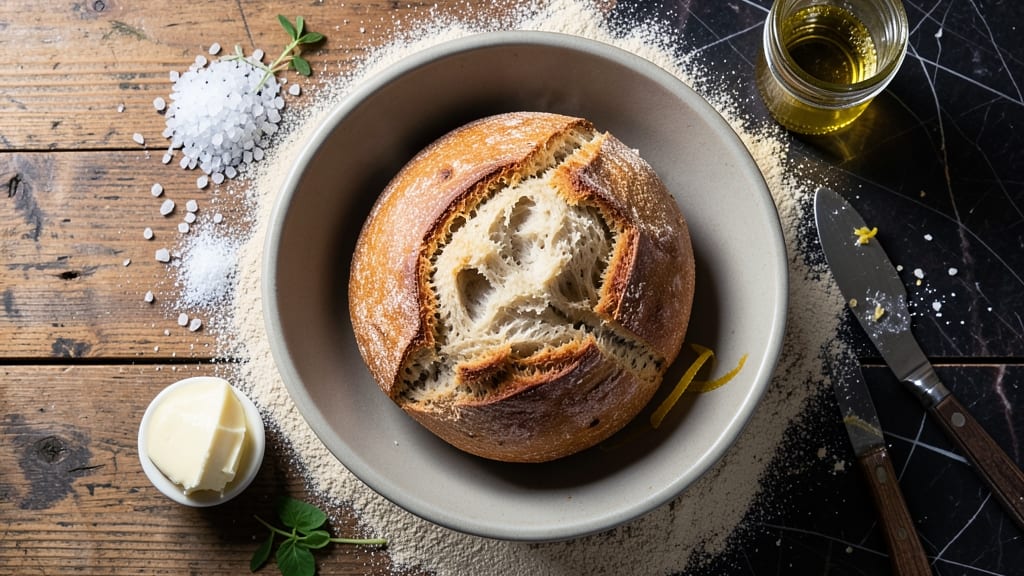
This Amish salt rising bread recipe delivers the perfect balance of a crisp golden crust and an open, tangy crumb that makes every bite satisfying. The secret lies in the careful use of salt—not just for flavor, but to regulate fermentation and create that signature texture.
I’ve perfected this technique over years of baking, ensuring the dough develops just enough gluten for structure while keeping the crumb tender and airy. The result? A loaf that’s hearty enough to stand up to soups or butter but delicate enough to melt in your mouth.
The process begins with a simple dough made from flour, yeast, salt, and water, but the magic happens during the slow fermentation. Unlike quick breads, this recipe requires patience—allowing the dough to rise naturally at room temperature before a second rise in the fridge.
This step develops deep flavor and ensures that open, tangy crumb. The salt plays a dual role here: it enhances flavor while also controlling yeast activity, preventing overproofing. Once baked with steam, the crust achieves that coveted golden-brown finish, while the interior remains soft and slightly chewy.
What sets this bread apart is its versatility. Serve it warm with butter for a classic homestyle meal, or use it to soak up gravy and broths. The tangy notes from the salt rising process make it ideal for pairing with hearty stews or as a side to roasted meats.
The recipe is designed to be foolproof, even for those new to bread baking, with clear instructions for shaping and baking. Whether you're baking for a family gathering or simply craving a taste of Amish homestyle comfort, this bread delivers on tradition and texture.
Ready in about 3 hours (including rising time), this recipe is perfect for weekend baking projects. The dough is forgiving, and the technique is straightforward, making it a great way to elevate your bread-baking skills.
Once you try this method, you’ll never go back to store-bought loaves again. Let’s get started on creating a loaf that tastes like home.
Ingredients for amish salt rising bread
Flour, yeast, and salt form the foundation of this iconic Amish loaf.
| Ingredient | Amount | Notes |
|---|---|---|
| All-Purpose Flour 🌾 | 5 cups | Unbleached preferred for best texture |
| Active Dry Yeast 🍞 | ¼ oz | Or 2 packets (2.25g each) |
| Diamond Crystal Kosher Salt 🧂 | 1 ½ tsp | Critical for flavor and texture |
| Granulated Sugar 🍚 | ½ tsp | Feeds yeast for activation |
| Unsalted Butter 🧈 | ½ cup | Cold, cubed for dough enrichment |
| Warm Water 💧 | 1 ½ cups | 105-110°F for yeast activation |
| Large Egg 🥚 | 1 whole | For dough binding and richness |
| Whole Milk 🥛 | ¼ cup | Enhances tenderness and crust |
| Cornmeal 🌽 | ½ cup | For dusting baking sheet |
| Ice Water ❄️ | ¼ cup | For final dough shaping |
The flour is non-negotiable—King Arthur or White Lily are my go-tos for that signature open crumb. Diamond Crystal kosher salt (not iodized table salt) is essential; it dissolves evenly and enhances fermentation control. For yeast, Bob's Red Mill active dry works reliably, but check the expiration date—old yeast won't activate properly. The butter should be cold and cubed (not melted) to prevent overdevelopment during mixing. If your milk is low-fat, whole milk is worth the splurge for a richer crust. Pre-measure everything before starting—this dough is forgiving, but precision in the early stages makes all the difference.
No kosher salt? Diamond Crystal measuring conversion is 1 tsp table salt = 1.5 tsp kosher, but for bread baking, substitute with 1 tsp Morton's kosher salt (it's finer). Out of whole milk? Heavy cream at half the amount gives a similar richness. The egg can be omitted for vegan (add 1 tbsp ground flaxseed + 3 tbsp water), but it adds structure. For a gluten-free version, use a 1:1 GF flour blend (like King Arthur's) and reduce the yeast by 20%. The ice water is key for shaping—don't skip it if your kitchen is warm. If your dough feels too sticky, add 1 tbsp more flour, but don't overdo it or the crumb will tighten.
This dough keeps 24 hours in the fridge before baking—perfect for overnight prep. For longer storage, freeze shaped loaves (unbaked) for up to 3 months. Thaw overnight in the fridge before baking. The baked loaves stay fresh 3-4 days at room temperature, wrapped in a clean kitchen towel (not plastic). For reheating, wrap in foil and warm at 300°F for 10 minutes—no microwave! The crust gets crispy again, and the crumb stays tender. Portion into individual slices for easy serving—this bread is best enjoyed warm with butter or as a gravy soaker.
Why You'll Love This Recipe
- No-Knead Magic: I swear by this recipe—just mix the flour, yeast, sugar, and a pinch of that just-right Diamond Crystal kosher salt, then let the dough rise while you sip coffee. No stand mixer, no overworked arms, just pure, lazy-day baking.
- Buttery Crust, Soft Core: That cold butter folded into the dough? It melts into something ridiculously good—crisp edges with a pillowy center that begs for seconds. Honestly, my kids now ask for it before dinner, and I don’t even pretend to fight it.
- Weeknight Wonder: Toss a loaf in the oven while you prep dinner—it’s done in time to tear into warm bread. Or freeze half for lazy mornings. Between us, I’ve fed a crowd with this, toasted it for breakfast, and even used it to soak up soup. It’s that reliable.
- Pantry Staple, Wallet-Friendly: Five ingredients, none of them fancy. The yeast and sugar are cheap, the butter’s basic, and flour? Always on hand. I’ve made this for under $3 a loaf, and it still tastes like a bakery’s secret. That’s the kind of deal that makes me a believer.
Step-by-step instructions for Amish salt rising bread
This traditional recipe delivers a signature tangy crumb and crispy crust through precise technique.
Activate the Yeast for Maximum Rise
In a large mixing bowl, combine the 1.5 cups warm water (tested between 105-110°F), 0.5 tsp granulated sugar, and 0.25 oz active dry yeast. Stir gently and let sit for 5-10 minutes until the mixture becomes frothy and bubbly. This activation step ensures your yeast is alive and ready to work.
I always check the water temperature first—too hot and you'll kill the yeast; too cold and it won't activate. The frothy bubbles indicate successful activation. If no bubbles form after 10 minutes, your yeast may be dead and you'll need to start over with fresh yeast.
Mix the Dough Using the Straight Dough Method
To the yeast mixture, add the 5 cups all-purpose flour, 1.5 tsp diamond crystal kosher salt, and 0.5 cup cold cubed unsalted butter. Using a wooden spoon or dough whisk, mix until a shaggy dough forms. Then add the 1 whole large egg and 0.25 cup whole milk, mixing until just combined.
The dough will be sticky at this stage—that's normal. I like to use my hands here, pressing and folding the dough for about 2 minutes until it begins to come together. The butter should be incorporated but still visible in small chunks, which will create that signature tender crumb during baking.
Knead and Shape for Optimal Texture
Turn the dough onto a lightly floured surface and knead for 8-10 minutes until smooth and elastic. You'll know it's ready when it springs back slowly when pressed. Divide the dough into 4 equal portions (about 1 pound each) and shape each into a smooth ball.
Here's where the Amish tradition comes in: I dimple each ball with my thumb before placing them in the pan. This creates those beautiful, rustic dimples that become crispy during baking. Cover the shaped dough with a clean kitchen towel and let rise at room temperature for 1-2 hours until doubled in size.
Prepare for Baking with the Cornmeal Base
Preheat your oven to 375°F. Lightly grease a 9x13-inch baking pan and sprinkle the bottom evenly with 0.5 cup cornmeal. Arrange the risen dough balls in the pan, leaving about 1 inch between them. The cornmeal creates that signature crispy bottom crust that's characteristic of Amish salt rising bread.
Let the dough rise again in the pan for 30-45 minutes until it fills the pan and puffs slightly. This second rise is crucial for that open, airy crumb. I like to gently press down on the dough with my knuckles to encourage even expansion. The dough should feel firm but still springy to the touch.
Bake to Golden Perfection with Ice Water Trick
Brush the tops of the loaves with the 0.25 cup ice water using a pastry brush. This creates steam during baking, which develops that beautiful open crumb. Bake for 30-35 minutes until the bread is deep golden brown and sounds hollow when tapped on the bottom.
For the final touch, I like to tent the pan with aluminum foil during the last 10 minutes of baking if the tops are browning too quickly. This prevents over-browning while still allowing the bread to finish cooking. Let the bread cool in the pan for 10 minutes before transferring to a wire rack to cool completely.
Pro Tips For Making Amish Salt Rising Bread
- Measure Salt Precisely: DESCRIPTION:
- Warm the Butter First: DESCRIPTION:
- Skip the Over-Kneading: DESCRIPTION:
- Proof in a Draft-Free Spot: DESCRIPTION:
Wine and beer pairings for this recipe
Crisp White Wine
A dry Riesling from Germany or Washington State is my go-to pairing for this bread. The wine's bright acidity and subtle mineral notes complement the bread's tangy crumb and crisp crust.
Look for a Kabinett or Spätlese with 8-10% alcohol—these wines have enough body to stand up to the bread's heartiness without overwhelming it. Serve slightly chilled (50-55°F) to enhance the wine's refreshing qualities. 🍷
Hoppy Beer Balance
A German Helles or American-style pale ale with 4-5% ABV works beautifully. The bread's buttery richness pairs wonderfully with the beer's malty sweetness and gentle hop bitterness. I recommend Weihenstephaner Hefeweissbier for a crisp, slightly effervescent match, or Allagash White if you prefer a more citrus-forward profile.
The beer's carbonation helps cleanse the palate between bites of the dense bread.
Cider Contrast
For a non-alcoholic option, try a dry hard cider like Angry Orchard Crisp Apple or Woodchuck Hard Cider. The cider's tart apple notes mirror the bread's tangy character while the slight effervescence refreshes the palate.
Serve at 45-50°F to highlight the crispness. This pairing is especially refreshing during warm-weather gatherings when you want to avoid heavy wines.
Sweet Wine Surprise
Believe it or not, a dry Moscato d'Asti from Italy creates an unexpected but delightful pairing. The wine's delicate floral notes and slight sweetness contrast beautifully with the bread's savory, salty crust. Choose a still version (not sparkling) to avoid competing with the bread's texture.
Serve at 48-52°F—cooler than typical white wines—to enhance its subtlety. This pairing works particularly well with the bread served alongside fruit preserves.
Regional Beer Pairings
If you're baking for a regional gathering, consider local beer pairings. In the Midwest, a local wheat beer with 3-4% ABV like Leinenkugel's Summer Shandy pairs perfectly. For Southern bakers, a light lager such as Coors Banquet enhances the bread's rustic charm.
These regional options create a sense of place while complementing the bread's traditional flavors. The key is matching the beer's lightness to the bread's open crumb structure. 🍺
Nutrition facts
Frequently asked questions
What makes this bread "salt rising" different from regular yeast bread?
The salt rising technique uses salt as a leavening agent alongside yeast, creating that signature open, tangy crumb. The salt regulates fermentation and develops flavor during the slow rise, while the ice water trick during baking creates steam for an airy texture. Regular yeast breads lack this dual fermentation process and crispy crust from cornmeal.
Can I make this bread without a 9x13-inch pan?
Yes! Use a similar-sized pan (like 8x8-inch) and adjust baking time by 5-10 minutes. For individual loaves, shape into 1-pound boules and bake in a Dutch oven at 375°F for 25-30 minutes. The key is maintaining the same pan-to-dough ratio for proper steam circulation.
Why does my dough smell tangy before baking?
The tangy aroma comes from lactic acid produced during fermentation, which enhances flavor. This is normal and desirable! If the smell is overly sour (like vinegar), your dough may have overproofed. Check for 1-2 hours of room-temperature rise max—this bread relies on controlled fermentation for its signature taste.
How do I store leftovers to keep them fresh?
Wrap cooled loaves in a clean kitchen towel (not plastic) and store at room temperature for 3-4 days. For longer storage, freeze slices in a ziplock bag for up to 3 months. Reheat wrapped in foil at 300°F for 10 minutes to restore crispness. The towel method preserves moisture better than plastic.
What if my crust isn't crispy enough?
Try these fixes:
- Increase oven temp to 400°F for last 5 minutes of baking,
- Brush with egg wash before baking, or
- Use more cornmeal (up to 1 cup) for extra crispiness. The ice water trick is crucial—don't skip it! Also ensure your oven has proper airflow.