
Side Dishes
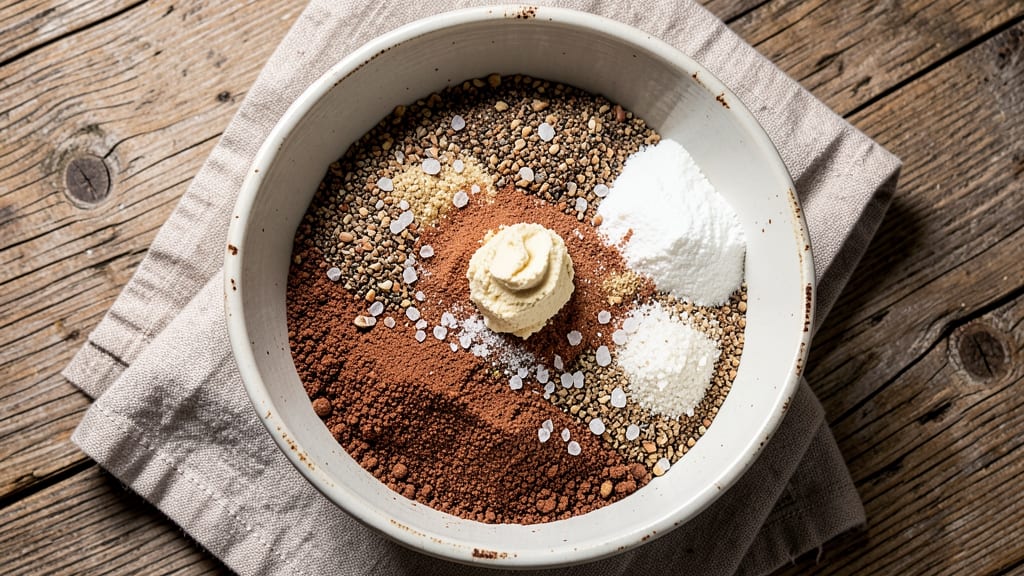
America's Test Kitchen has perfected the art of deli rye bread with a crispy, caramelized crust and a dense, flavorful crumb that stays fresh for days. This recipe transforms simple ingredients into a loaf that rivals artisanal bakery quality—no fancy equipment required.
The secret lies in precise dough hydration and controlled baking temperatures that create that signature dark, crackly exterior while keeping the interior tender.
What sets this method apart is the balance between traditional rye flavor and modern convenience. We use a combination of dark rye flour and whole grain rye for depth, while yeast ensures reliable rising without the long fermentation of sourdough.
The dough proofing technique is the game-changer—it develops flavor while maintaining structure, so you don't end up with a dense brick.
By the time you pull this loaf from the oven, you'll have a golden-brown crust with those coveted crackly shards that crumble perfectly, and a crumb that's dense yet tender with a subtle tang.
The aroma alone will transform your kitchen into a bakery. This recipe delivers professional results with home-baker simplicity, making it perfect for sandwiches, toast, or gifting.
For those who want to elevate it further, try brushing the crust with melted butter during the last 5 minutes of baking or sprinkling everything bagel seasoning before baking.
The possibilities are endless once you master this foundation. Let's get started with the precise method that's earned America's Test Kitchen's seal of approval.
Ingredients for america's test kitchen deli rye bread
Precision-measured ingredients create America's Test Kitchen's signature crispy crust and dense crumb.
| Ingredient | Amount | Notes |
|---|---|---|
| Dark Rye Flour 🌾 | 4 cups | High-protein, German-style preferred |
| Whole Grain Rye Flour 🌾 | 2 cups | For authentic rye flavor |
| All-Purpose Flour 🌾 | 1 cup | For structural balance |
| Active Dry Yeast 🍞 | ¼ oz | 1 packet, fresh for best results |
| Granulated Sugar 🍚 | ¼ cup | Feeds yeast fermentation |
| Diamond Crystal Kosher Salt 🧂 | 2 tsp | Fine grain for even distribution |
| Malt Powder 🌾 | 1 tbsp | Enhances browning and flavor |
| Unsalted Butter 🧈 | ½ cup | Cold, cubed for dough mixing |
| Water 💧 | 1 ½ cups | Room temperature, 70°F |
| Cornmeal 🌽 | ¼ cup | For dusting baking sheet |
| Everything Bagel Seasoning 🧂 | 2 tbsp | Optional, for crust enhancement |
| Melted Butter 🧈 | 2 tbsp | For final crust brushing |
The flours are the foundation—King Arthur dark rye and Bob's Red Mill whole grain deliver authentic depth. German-style rye flour contains more soluble fiber, creating that signature tang. For malt powder, Briess or Lallemand brands are reliable. The yeast must be fresh; Saf-Instant works best for this recipe's controlled fermentation. If your local store doesn't carry dark rye flour, King Arthur sells it online, and it's worth the investment for this loaf. The butter should be cold when mixed—soft but not melted—to prevent overdevelopment of gluten during mixing.
No dark rye flour? Substitute with pumpernickel flour at double the amount, though texture will differ slightly. For malt powder, malt extract or barley malt syrup can be used at half the volume, though flavor impact is reduced. The everything bagel seasoning is optional but recommended—Trader Joe's or Schwartz brands provide consistent quality. If you're making this ahead, prepare the dough up to 24 hours in advance and refrigerate it; the flavor develops more deeply during cold fermentation. For a lighter crumb, reduce the whole grain rye flour by 1/4 cup and add 1/4 cup all-purpose flour instead.
This dough requires precise hydration—measure liquids carefully. For best results, use a digital kitchen scale for accurate flour measurements. Store the dough in an airtight container in the refrigerator for up to 24 hours before shaping and baking. The baked loaf maintains freshness for 5-7 days at room temperature, wrapped in plastic. For longer storage, freeze the cooled loaf for up to 3 months. To revive, wrap in a damp towel and warm in a 200°F oven for 10 minutes. The crust will crisp up beautifully when toasted.
Why You'll Love This Recipe
- No-Knead Magic: I swear by this recipe because the dough comes together in five minutes—just mix, let it rise overnight, and bake. The dark rye and whole grain flours do all the heavy lifting while I sleep, so by morning, I’ve got golden, crisp-edged loaves with zero effort.
- Crispy-Soft Contrast: That dark rye crust shatters like a perfect snap, but the inside stays tender—almost cakey. Honestly, the balance of earthy rye and the slight sweetness from the granulated sugar makes it taste like a bakery loaf, not something I slapped together.
- Sandwich Game-Changer: Between us, this bread turns any sandwich into a meal. The dense texture holds up to turkey, pastrami, or even just cream cheese and smoked salmon—no soggy disappointment here. I keep a loaf in the freezer just for lazy weeknights.
- Budget Bakery Hack: A single batch costs less than $5 and yields two loaves. The yeast and sugar stretch the rye flour’s flavor, so I get that artisanal taste without the artisanal price tag. Plus, it keeps for days, so I’m not scrambling for bread midweek.
Step-by-step instructions for america's test kitchen deli rye bread recipe
Mastering this recipe delivers a dense, flavorful crumb with a signature crackly crust—here's the exact method.
Mix the Dough for Optimal Hydration
In a large mixing bowl, combine the 4 cups Dark Rye Flour, 2 cups Whole Grain Rye Flour, 1 cup All-Purpose Flour, 2 tsp Diamond Crystal Kosher Salt, 1 tbsp Malt Powder, and 0.25 oz Active Dry Yeast. Whisk these dry ingredients together until evenly distributed—this ensures uniform flavor and texture throughout the dough.
In a separate bowl, whisk together the 1.5 cups Water (at room temperature) and 0.25 cup Granulated Sugar until the sugar fully dissolves. This sugar solution activates the yeast immediately, creating a head start for fermentation. Pour the wet mixture into the dry ingredients while stirring vigorously with a wooden spoon or dough whisk.
Add the 0.5 cup Unsalted Butter, cut into small cubes, and mix until the butter is fully incorporated. The dough will be sticky and shaggy at this stage—this is normal due to the high hydration from the rye flours. Use your hands to knead the dough gently for 2-3 minutes until it begins to come together. The goal here is to develop just enough gluten to create structure without overworking the dense rye dough.
Bulk Ferment for Maximum Flavor Development
Cover the mixing bowl with a damp kitchen towel or plastic wrap and let the dough rest at room temperature for 1 hour. During this initial bulk fermentation, the yeast will activate and begin breaking down the complex rye starches, creating a deeper, more authentic rye flavor profile. You'll notice the dough rise slightly and develop small bubbles on the surface—this indicates active fermentation.
After the 1-hour rest, perform a "poke test" by pressing two fingers gently into the dough. If the indentation remains and doesn't spring back immediately, the dough is ready for the next step. If it springs back too quickly, let it rest another 15-20 minutes before proceeding. This test ensures proper fermentation without overproofing.
Transfer the dough to a lightly oiled 9x5-inch loaf pan (or similar size) and smooth the top with oiled hands. The dough should fill the pan about 75% of its height—this allows room for expansion during baking. Cover again with the damp towel and let it rise at room temperature for an additional 1-2 hours, or until it has risen to about 90% of the pan's height. The surface should look slightly domed with small bubbles forming.
Shape and Cold Proof for Crust Control
Remove the dough from the pan and place it on a lightly floured surface. Gently shape it into a 9x5-inch loaf by pressing down firmly with your hands, creating a smooth, even surface. This shaping step is crucial for an even bake and proper sliceability. Place the shaped loaf back into the prepared pan, seam-side up, and smooth the top once more with oiled hands.
Cover the pan and refrigerate the dough for 12-16 hours. This extended cold proofing period slows yeast activity, allowing for better flavor development and a more controlled rise. The cold temperature also helps create a tighter crumb structure and contributes to that signature crackly crust. During this time, the dough will rise gradually—you'll see it fill the pan completely by morning.
Bake for Perfect Crust and Crumb
Preheat your oven to 375°F and place a baking sheet on the lower rack. Line the baking sheet with parchment paper and sprinkle evenly with 0.25 cup Cornmeal. Remove the cold dough from the refrigerator and place it on the prepared baking sheet. Brush the top generously with 2 tbsp Melted Butter, then sprinkle evenly with 2 tbsp Everything Bagel Seasoning for that classic deli rye flavor and enhanced crust texture.
Bake the loaf for 50-55 minutes, until the internal temperature reaches 205-210°F and the crust is deep golden brown with a crackly texture. The bread is done when it sounds hollow when tapped on the bottom. If the top browns too quickly, tent the loaf with aluminum foil after 30 minutes to prevent over-browning while allowing the interior to cook through.
Remove the bread from the oven and let it cool in the pan for 10 minutes before transferring to a wire rack to cool completely. This resting period allows the internal structure to set, preventing a gummy crumb. Once fully cooled, slice the bread with a serrated knife for clean cuts and serve. The finished loaf should have a dense, moist crumb with a rich rye flavor and a crisp, crackly exterior that's perfect for sandwiches or enjoyed on its own.
Pro Tips For Making America'S Test Kitchen Deli Rye Bread
- WEIGH YOUR FLOURS: The ATK recipe calls for precise ratios of dark rye, whole grain rye, and all-purpose flour—but if you’re measuring by volume, scoop and level carefully. Rye flour packs differently than AP, and even a tablespoon difference throws off the texture. I learned this the hard way when my first batch turned denser than a brick.
- HYDRATE THE YEAST PROPERLY: Skip the "just sprinkle it in" approach—this rye bread needs the yeast activated in warm water (105–110°F) with sugar for 5 minutes until frothy. Cold water kills it, and lukewarm water makes it sluggish. Use a thermometer if you’re unsure; your future self will notice the difference in rise.
- DON’T SKIP THE AUTOLYSIS: Let the wet ingredients (water, yeast, sugar) and dry ingredients (flours, salt) sit separately for 20–30 minutes before mixing. This step develops gluten gently in the rye-heavy dough, which otherwise fights you like a stubborn mule. It’s not optional—your bread’s chewiness depends on it.
- USE A BAKING STEEL: This isn’t just for show—it conducts heat better than a sheet pan, giving you a crisp crust and even browning without burning. Place it directly on the oven rack, add parchment paper, and bake as directed. I was skeptical until I tried it; the crust stays shatterable, not gummy.
Wine and beer pairings for these flavors
Crispy Crust Pairings
The deep, caramelized crust of this deli rye pairs beautifully with sharp cheddar cheese and smoked turkey for classic deli sandwiches. The crust's crackly texture contrasts perfectly with creamy avocado slices or crispy bacon—both add moisture that balances the bread's density.
For a vegetarian option, try hummus with roasted red peppers and feta cheese—the tangy flavors complement the rye's earthiness. 🥪
Malty Beer Matches
A German-style amber ale like Weihenstephaner Hefeweissbier (with its malty sweetness) enhances the bread's rye notes beautifully. The beer's subtle banana and clove aromas mirror the malt powder's flavor profile. For a darker option, Schlenkerla Rauchbier (smoked beer) creates an unexpected but delicious pairing—the smokiness echoes the rye's toasted depth.
Keep the beer chilled to 45-50°F for optimal flavor contrast. 🍺
Dry White Wine Options
Crisp, dry white wines cut through the bread's richness without overpowering it. German Riesling Kabinett (off-dry style) balances the rye's tang with its bright acidity and citrus notes. For a lighter option, Sauvignon Blanc from New Zealand—with its herbal and grapefruit flavors—pairs wonderfully.
Avoid oaky Chardonnays, as they can clash with the bread's robust flavor. Serve the wine slightly chilled at 50-55°F for best results. 🍷
Coffee and Tea Pairings
A dark roast coffee with 2% milk enhances the bread's caramelized crust notes, while the rye's tang complements the coffee's bitterness. For tea lovers, Earl Grey with its bergamot flavor creates an elegant pairing—the citrus notes brighten the rye's earthiness.
If you prefer herbal options, chamomile tea (with its floral notes) provides a soothing contrast to the bread's bold flavor. Brew coffee at 195-205°F for optimal extraction. ☕
Sweet Contrasts
Spread creamy peanut butter with a drizzle of honey on warm slices for a sweet-savory balance. The peanut butter's richness softens the bread's crust, while the honey's floral notes complement the rye's depth.
For a more decadent option, try dark chocolate ganache with sea salt—the chocolate's bitterness mirrors the bread's robust flavor. Serve with vanilla ice cream for a dessert-style twist. 🍯
Spicy Kick Additions
Add crispy fried shallots and spicy mustard to sandwiches for a flavor explosion. The shallots' crunch contrasts the bread's density, while the mustard's heat cuts through the richness.
For a smoky option, sprinkle smoked paprika on warm slices before serving—it enhances the rye's natural depth. Pair with pickled jalapeños for a tangy-spicy contrast. 🌶️
Nutrition facts
Frequently asked questions
Why does this recipe use both dark rye and whole grain rye flour?
Dark rye flour provides the signature deep color and structure, while whole grain rye adds authentic tang and chewiness. The combination creates that perfect balance between dense crumb and crispy crust that deli rye is known for. Using just one type would either make the bread too pale or overly dense.
Can I make this bread without a stand mixer?
This dough is designed to be mixed by hand. Simply use a large bowl and wooden spoon for the initial mixing, then gently knead by hand for 2-3 minutes until the dough begins to come together. The recipe avoids overworking the gluten, so hand mixing works perfectly.
What's the best way to store this bread to keep it fresh?
Wrap the cooled loaf tightly in plastic wrap or place in an airtight container. It stays fresh at room temperature for 5-7 days. For longer storage, freeze the bread for up to 3 months. To revive, wrap in a damp towel and warm in a 200°F oven for 10 minutes to restore crispness.
Why does the recipe call for cold proofing overnight?
The 12-16 hour cold proof slows yeast activity, allowing for deeper flavor development and better crust control. The cold temperature helps create a tighter crumb structure and that signature crackly exterior. It's what transforms good bread into exceptional deli rye with professional-quality results.
Can I substitute malt powder with something else?
Yes, you can use malt extract or barley malt syrup at half the volume (1/2 tbsp instead of 1 tbsp). While it won't provide exactly the same browning effect, it will still enhance flavor. For best results, use the recommended malt powder which contains diastatic enzymes that create the perfect caramelized crust.