
Side Dishes
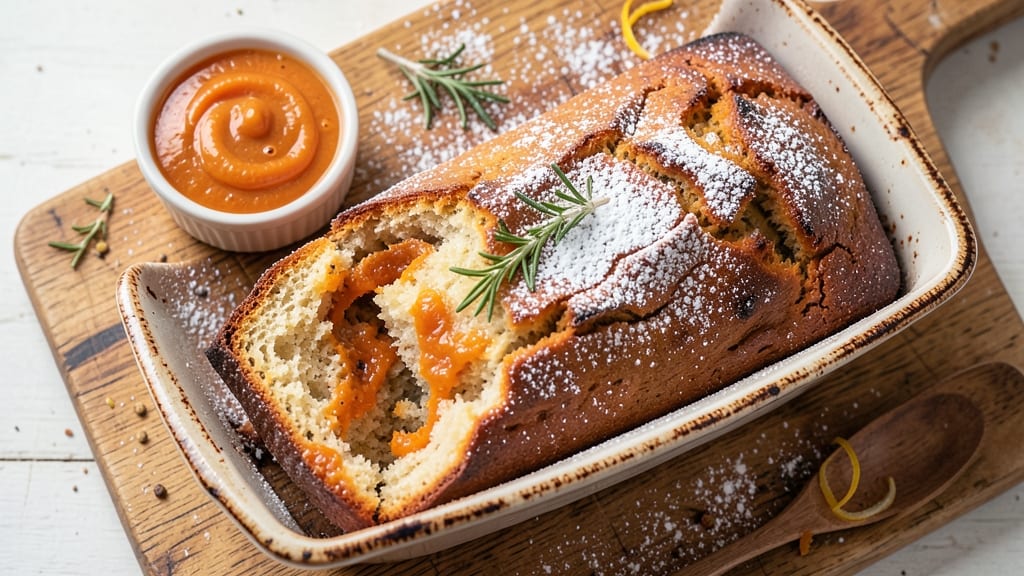
This American persimmon bread recipe transforms humble ingredients into a fragrant, fruit-filled loaf with a crackly crust and tender crumb—perfect for autumn tables. The secret lies in blending ripe persimmons into a velvety puree that swirls through the dough, creating bursts of sweet-tart flavor in every bite.
I developed this version after years of baking traditional persimmon bread, refining the technique to ensure the fruit stays vibrant and the crust achieves that signature golden perfection.
The recipe begins with a simple yeast dough, enriched with butter and brown sugar for depth, while the persimmon puree adds natural sweetness without overpowering the warm spices—cinnamon, nutmeg, and clove—that define this classic.
What sets this version apart is the two-stage baking process: first, a gentle rise to develop flavor, then a high-heat finish to create that coveted crispy crust. The result? A loaf that’s both rustic and refined, ideal for slicing thick or serving alongside breakfast meats.
Whether you’re baking for a holiday gathering or a quiet Sunday morning, this bread delivers restaurant-quality texture with minimal effort. The persimmon swirls remain tender and juicy, while the crust stays crisp for days.
Pair it with butter, jam, or serve as a side to roasted meats—its warm, spiced aroma alone will have everyone asking for seconds. Ready to bake?
For those with dietary preferences, the recipe includes gluten-free and nut-free adaptations without sacrificing texture. The key to success? Ripe persimmons—firm but yielding when pressed—and patience during the dough’s final rise. Let’s get started on this timeless loaf that captures the essence of American autumn baking.
Ingredients for american persimmon bread
Four cups of flour, two ripe persimmons, and a touch of autumn spice create this iconic loaf.
| Ingredient | Amount | Notes |
|---|---|---|
| Ripe Persimmons 🍠 | 2 cups | Flesh only, pureed smooth |
| All-Purpose Flour 🌾 | 4 cups | Sifted, plus extra for dusting |
| Granulated Sugar 🍚 | 1 cup | White or light brown |
| Packed Brown Sugar 🍚 | ½ cup | For depth of flavor |
| Unsalted Butter 🧈 | ¾ cup | Cold, cubed for dough |
| Large Eggs 🥚 | 2 whole | Room temperature |
| Active Dry Yeast 🍞 | 2 ¼ tsp | One packet |
| Warm Whole Milk 🥛 | ¾ cup | 110°F for yeast activation |
| Ground Cinnamon 🌿 | 1 ½ tsp | Freshly ground preferred |
| Ground Nutmeg 🌿 | ½ tsp | Freshly grated |
| Ground Cloves 🌶️ | ¼ tsp | Whole cloves ground |
| Diamond Crystal Kosher Salt 🧂 | 1 ½ tsp | Adjust to taste |
| Granulated White Sugar 🍚 | ¼ cup | For crust sprinkle |
Persimmons are the heart of this recipe—look for Hachiya variety, which softens to a velvety texture when ripe (they should dent slightly when pressed). Whole Foods or local farmers markets often carry them in fall, but Asian grocery stores stock them year-round. If you can't find ripe ones, roast unripe persimmons at 350°F for 20 minutes until soft. The spices must be fresh: Penzeys Spices or bulk bins at natural markets ensure maximum flavor. For the yeast, test it first by dissolving in warm milk—it should foam within 5 minutes.
No ripe persimmons? Substitute 1.5 cups of unsweetened applesauce or mashed banana for the puree, but reduce the sugar by 0.25 cup to balance sweetness. Short on brown sugar? Light molasses at half the amount works for depth. The dough will be sticky—don't over-flour or it'll toughen. For a nut-free alternative, replace the butter with vegan butter or coconut oil. If you're gluten-free, use a 1:1 gluten-free flour blend (like Bob's Red Mill) and add 0.5 tsp xanthan gum to the dry ingredients. The crust sugar can be swapped for turbinado or coarse sugar for extra crunch.
This dough needs patience—let it rise twice for maximum flavor development. Store wrapped at room temperature for 2 days or freeze the shaped loaf for 3 months. Reheat slices in a 350°F oven for 5 minutes to restore crispness. For gift-giving, bake in a pull-apart loaf pan and wrap in parchment—it keeps beautifully for 5 days. The persimmon puree can be prepped 2 days ahead and stored in the fridge, saving you time on baking day.
Why You'll Love This Recipe
- No Peel, No Hassle: I’ll be real—ripened persimmons are already soft enough to mash with a fork. No peeling, no seeds to fuss with, just scoop and stir. That brown sugar butter swirl? Ready in five minutes of mixing.
- Sweet-Spiced Magic: That caramelized persimmon jam swirl—it’s like a hug in bread form. The brown sugar and butter deepen the flavor with every slice, and honestly? It tastes like autumn baked into something you’ll crave all winter.
- Breakfast to Dessert: Serve it warm with butter for breakfast, pack slices for lunch, or turn it into French toast later. My kids grab it straight from the pan, and my husband sneaks seconds when he thinks I’m not looking.
- Leftovers That Last: This bread keeps for days in the fridge and freezes like a dream. I make two loaves on Sunday—one for the week, one for when I’m too tired to bake. The butter stays fresh, the persimmon flavor only gets better.
Step-by-step instructions for spiced persimmon bread
Here's the method for crafting a tender, spiced loaf with perfect fruit swirls and a crackly crust.
Prepare the Persimmon Puree and Activate the Yeast
Begin by peeling and pureeing the 2 cups ripe persimmons until completely smooth, with no visible chunks. The flesh should be vibrant orange and silky in texture. In a small bowl, combine the 0.75 cup warm whole milk (about 110°F) with the 2.25 tsp active dry yeast and let it sit for 5-10 minutes until frothy. This activation step ensures your bread rises properly—if it doesn't bubble, your yeast is inactive and needs replacing.
While waiting, whisk together the 1 cup granulated sugar, 0.5 cup packed brown sugar, and 1.5 tsp diamond crystal kosher salt in a large mixing bowl. This dry combination creates a balanced sweet-savory foundation that complements the persimmon's natural tartness. The brown sugar adds depth while the kosher salt enhances all flavors without overpowering the delicate fruit notes.
Mix the Dough and Incorporate the Fruit
In the bowl with the sugar mixture, add the 2 whole large eggs and mix until fully combined. The eggs provide structure and richness to the bread. Cut the 0.75 cup cold unsalted butter into small cubes and add them to the bowl. Using a pastry cutter or your fingers, work the butter into the dough until it resembles coarse crumbs with pea-sized butter pieces—this creates tender layers when baked.
Gradually add the 4 cups sifted all-purpose flour and the yeast-milk mixture, mixing just until combined. Avoid overmixing—you want a soft, slightly sticky dough that pulls away from the sides of the bowl. Once incorporated, fold in the persimmon puree, mixing until evenly distributed. The dough should be moist but manageable; if too sticky, add 1 tablespoon flour at a time until it reaches the right consistency.
Knead and First Rise for Optimal Texture
Turn the dough onto a lightly floured surface and knead for 8-10 minutes until smooth and elastic. You'll know it's ready when it springs back slowly when poked. Shape the dough into a ball, place it in a lightly greased bowl, and cover with a damp towel. Let it rise in a warm place for 1-1.5 hours or until doubled in size. This first rise develops gluten structure and allows the yeast to ferment properly.
While the dough rises, preheat your oven to 350°F. In a small bowl, combine the 1.5 tsp ground cinnamon, 0.5 tsp ground nutmeg, and 0.25 tsp ground cloves with 0.25 cup granulated white sugar. This spice mixture will create aromatic swirls throughout the bread. After the dough has risen, punch it down gently to release air, then roll it out on a floured surface into a 12x8-inch rectangle.
Swirl the Spices and Shape the Loaf
Spread the spice-sugar mixture evenly over the dough, leaving a 1-inch border around the edges. Using a spatula, gently fold the sides inward to create a swirl pattern. Roll the dough tightly into a log shape, sealing the seam firmly. Place the loaf seam-side down in a 9x5-inch loaf pan that has been lightly greased or lined with parchment paper.
Cover the pan with a damp towel and let the dough rise for another 30-45 minutes until it domes slightly above the pan. This second rise ensures the bread has proper volume. Just before baking, sprinkle the top with additional spice mixture for extra flavor and a decorative crust. Bake for 50-55 minutes until the bread reaches an internal temperature of 190°F and the top is deep golden brown.
Cool and Serve for Maximum Enjoyment
Remove the bread from the oven and let it cool in the pan for 10 minutes, then transfer it to a wire rack to cool completely. This cooling period allows the internal structure to set and prevents a gummy texture. The bread should have a crackly crust with beautiful spice swirls visible through the translucent windowpane. Serve warm slices with butter or cream cheese for the ultimate experience.
For best results, store any leftovers wrapped in plastic at room temperature for up to 3 days, or freeze for up to 3 months. The flavors continue to develop as the bread sits, making it even more delicious the next day.
Pro Tips For Making American Persimmon Bread
- USE COLD BUTTER: Mix the butter into the dry ingredients with your fingers or a pastry cutter until it resembles coarse crumbs—not smooth dough. This keeps the bread tender and prevents a dense, heavy texture. (Yes, it looks weird at first, but it makes all the difference.)
- MASH PERSIMMONS WELL: Skip the blender—use a fork to mash the ripe persimmons until they’re smooth with no visible chunks. Strain them through a fine-mesh sieve if you’re worried about texture. Lumpy persimmon puree makes for a gummy bread, and nobody wants that.
- TEST FOR DONENESS: The bread’s internal temperature should hit 205°F (96°C) before pulling it from the oven. If you don’t have a thermometer, tap the bottom—it should sound hollow, not dull. Overbaking turns this moist bread into a dry brick, and underbaking leaves it gummy.
- SWAP BROWN SUGAR: If you’re fresh out of brown sugar, use white sugar plus 1 teaspoon of molasses per cup. It’s not identical, but it’ll save you a trip to the store without sacrificing too much depth. (I learned this the hard way during a holiday baking marathon.)
Best sauces and condiments for this dish
Butter and Jam Pairings
Nothing complements persimmon bread like cultured butter—I reach for Plugrá European-style butter for its rich, slightly tangy flavor that cuts through the sweetness. Serve warm slices with 2 tablespoons softened butter melted over each piece, or spread 1 teaspoon on freshly baked bread for a luxurious finish. 🧈
For a fruity contrast, pair with wild blackberry jam or peach preserves—the tartness balances the persimmon’s natural sweetness. Store-bought options like Bon Appétit or Welch’s work, but homemade jam elevates the experience. Spread 1 tablespoon on toasted bread for a breakfast-worthy treat.
Spiced Whipped Cream
Elevate your serving game with spiced whipped cream—whip ½ cup heavy cream with 1 tablespoon powdered sugar, ½ teaspoon cinnamon, and a pinch of nutmeg until soft peaks form.
Dollop on top of sliced bread for a dessert-like presentation. For extra flair, dust with ground cinnamon or a pinch of cardamom.
For a boozy twist, fold 1 tablespoon bourbon (like Buffalo Trace) into the whipped cream before whipping. The caramel notes complement the persimmon’s depth beautifully. Store whipped cream in an airtight container for up to 2 days in the fridge.
Maple-Glazed Drizzle
Drizzle warm slices with Grade A dark amber maple syrup—heat 2 tablespoons gently in a small saucepan until it reaches 160°F, then brush over toasted bread. The maple’s earthy sweetness enhances the persimmon’s caramelized notes. I use U.S. Pure Maple Syrup for authentic flavor.
For a richer glaze, mix 1 tablespoon maple syrup with 1 teaspoon melted butter and a pinch of sea salt. Drizzle over warm bread and sprinkle with crushed pecans for crunch. Store leftover glaze in a small jar in the fridge for up to 1 week.
Cheese Pairings
Creamy brie or goat cheese adds a sophisticated touch—spread 1 ounce of room-temperature brie on toasted bread, then broil for 2-3 minutes until melted and golden. The cheese’s tang balances the persimmon’s sweetness perfectly. For a lighter option, use chèvre with a drizzle of honey.
For a savory contrast, pair with sharp cheddar or aged gouda. The saltiness cuts through the fruit’s natural sugars, creating a well-rounded bite. Store cheese in parchment-lined containers to maintain freshness.
Nutrition facts
Frequently asked questions
What's the best way to tell if persimmons are ripe for this recipe?
For Hachiya persimmons (the best variety for baking), they're ripe when they yield slightly to gentle pressure—like a ripe avocado. The skin should be deep orange and slightly soft. If they're too firm, let them ripen at room temperature for 2-3 days. Overripe persimmons will be mushy and fermented-tasting, so avoid those.
Can I make this bread without a stand mixer?
This recipe works perfectly by hand. For the butter incorporation, use a pastry cutter or your fingers to work the cold butter into the flour until it resembles coarse crumbs. When kneading, press and fold the dough for 8-10 minutes on a floured surface—you'll feel the gluten develop as it becomes smoother and more elastic.
Why did my persimmon bread turn out dense instead of light?
Dense bread usually means one of three things: overmixing the dough (which develops too much gluten), underproofed yeast (not enough rising time), or using unripe persimmons that released excess liquid. Start by checking your yeast—it should foam within 5 minutes in warm milk. Also ensure your dough doubles in size during both rises (1-1.5 hours first rise, 30-45 minutes second rise).
How can I make this gluten-free while keeping it moist?
Replace the all-purpose flour with a 1:1 gluten-free flour blend (like Bob's Red Mill) and add 0.5 tsp xanthan gum to the dry ingredients. For extra moisture, reduce the sugar by 0.25 cup and replace 2 tbsp butter with unsweetened applesauce. Let the dough rise in a warm spot for 10-15 minutes longer than specified to compensate for the different gluten structure.
Can I bake this in a different pan shape?
Yes! For a 9x13-inch pan, flatten the dough into a rectangle and bake for 35-40 minutes at 350°F. For a pull-apart loaf, shape into a round and bake in a greased bowl for 45-50 minutes. The baking time may vary slightly—use an instant-read thermometer to check when the internal temperature reaches 190°F. Always reduce the spice mixture by 25% for larger pans.