
Side Dishes
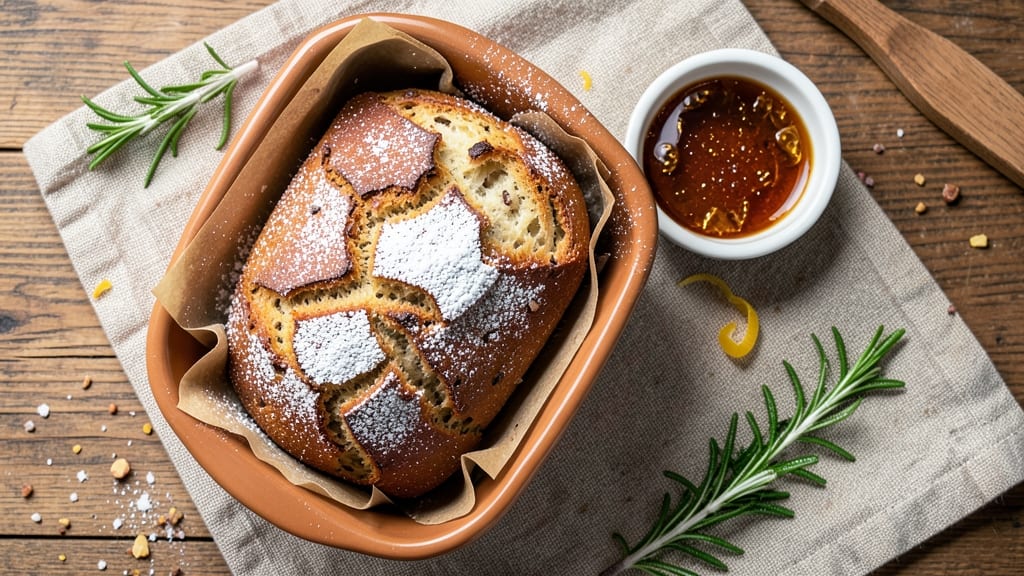
This Amaretto bread recipe delivers a perfect balance of tender crumb and rich, nutty amaretto swirls that make every slice irresistible. The secret lies in infusing the dough with amaretto liqueur, creating a warm, aromatic flavor that pairs beautifully with coffee or dessert.
Professional bakers know that slow fermentation and precise baking temperatures are key to achieving that signature golden crust and moist interior.
The dough begins with a simple yeast-based foundation, but it's the amaretto that transforms it into something extraordinary. Unlike other flavored breads, this recipe relies on the liqueur's natural sweetness and almond notes to enhance the dough's flavor without overpowering it.
For best results, use high-quality amaretto—its depth of flavor will shine through in every bite.
By the time you pull this bread from the oven, you'll have a loaf with a crispy, golden crust that gives way to a tender crumb infused with swirls of amaretto.
The aroma alone is enough to draw everyone to the table, and the flavor—sweet, nutty, and just slightly boozy—makes it a standout side dish or breakfast companion. Perfect for pairing with coffee, cheese, or even as a dessert bread, this recipe is sure to impress.
For those who love customization, you can adjust the amaretto quantity to suit your taste—more for a bolder flavor, less for a subtler touch. The recipe also works well with a simple egg wash or honey glaze for extra shine and sweetness. Let's get started on creating this showstopping loaf!
Ingredients for amaretto bread
The secret to this showstopping bread? Amaretto-infused dough with a golden crust and nutty swirls.
| Ingredient | Amount | Notes |
|---|---|---|
| Active Dry Yeast 🍞 | 2 ¼ tsp | 1 packet or 7g |
| Warm Water 💧 | 1 ¼ cups | 110°F (43°C) for activation |
| All-Purpose Flour 🌾 | 5 cups | Plus 1 tbsp for dusting |
| Granulated Sugar 🍚 | ¼ cup | For yeast activation |
| Unsalted Butter 🧈 | ½ cup | Cold, cubed for dough |
| Large Egg 🥚 | 1 whole | Room temperature |
| Amaretto Liqueur 🍷 | ¼ cup | High-quality, 25% ABV |
| Almond Paste 🥜 | ½ cup | Smooth texture preferred |
| Salt 🧂 | 1 tsp | Kosher or sea salt |
| Honey 🍯 | 2 tbsp | For egg wash |
| Coarse Sugar 🍚 | ¼ cup | For topping |
| Almond Slices 🥜 | ¼ cup | Optional garnish |
The amaretto is non-negotiable here—Disaronno or Luxardo are my go-tos, but any quality liqueur works. Look for bottles with at least 25% ABV for that bold almond flavor. Almond paste? Ghirardelli or store-brand smooth versions blend best. The yeast needs to be fresh—if your packet's past its expiration, toss it. For the butter, grab Land O'Lakes unsalted or European-style if you're fancy. The almond slices? Trader Joe's has the best pre-sliced ones, but whole almonds work too if you're feeling ambitious.
No amaretto? Almond extract plus 1 tbsp vodka mimics the flavor (use half the amount). Out of almond paste? Blended raw almonds with 1 tbsp oil does the trick, but it's grittier. The dough needs to be tacky but not sticky—add flour 1 tbsp at a time if it's too wet. For a sweeter loaf, boost the honey to 3 tbsp. Want more swirls? Fold in an extra 2 tbsp almond paste. The egg wash can be just water if you're avoiding eggs, but honey adds that perfect sheen.
This dough needs time—let it rise 1.5-2 hours until puffy. Shape it loosely, then chill 1 hour before baking for easier handling. Baked loaves keep 3 days wrapped at room temp or 1 week in the fridge. To reheat, wrap in foil and warm at 350°F for 10 minutes. Freeze for up to 3 months—thaw overnight at room temp. Slice with a serrated knife for clean cuts, and save the crusts for French toast.
Why You'll Love This Recipe
- No-Knead Magic: I swear by this—just mix the yeast, warm water, and flour, let it rise overnight, and wake up to a fragrant loaf with zero effort. The butter and sugar blend in like a dream, and you’re not even breaking a sweat.
- Almond-Kissed Comfort: That amaretto swirl? It’s like a warm hug in bread form—nutty, slightly sweet, and just rich enough to make you pause mid-bite. Honestly, the sugar and butter create this perfect balance where it’s never cloying, just good.
- Weeknight & Weekend Star: Toss it in a Dutch oven for dinner tonight or shape it into a braided loaf for Sunday brunch—same dough, endless possibilities. Here’s what sold me: it’s my go-to for potlucks (because it’s always a hit) and lazy mornings (because it’s ready when I am).
- Budget-Friendly Stretch: A single batch feeds my family for days—think toast for breakfast, sandwiches for lunch, and garlic butter slather for dinner. Between us, the yeast and flour cost pennies, and the butter stretches further than store-bought loaves. (Yes, even on a Tuesday night.)
Step-by-step instructions for amaretto bread with nutty swirls
Here's how to create this rich, aromatic loaf with perfect texture and golden crust.
Activate the Yeast for Maximum Rise
In a small bowl, combine the 1.25 cups warm water (about 110°F) with the 0.25 cup granulated sugar and 2.25 tsp active dry yeast. Let it sit for 5-10 minutes until it becomes frothy and bubbly—this confirms your yeast is alive and ready to work. If it doesn't bubble, your yeast may be dead, and you'll need to start over.
I always test my yeast this way first. The sugar helps activate it faster, and the warm water creates the perfect environment. If you're using this recipe in a cooler kitchen, warm the water slightly more—just enough to feel comfortable when you dip your finger in. Too hot water will kill the yeast instantly.
Mix the Dough and Incorporate Almond Flavors
In the bowl of a stand mixer fitted with the dough hook, combine the 5 cups all-purpose flour, 1 tsp salt, and the 0.5 cup cold cubed butter. Mix on low speed for 1 minute until the butter is evenly distributed. Add the yeast mixture and mix until combined, then add the 1 whole large egg and mix for another 2 minutes on medium speed.
In a separate small bowl, mix the 0.5 cup almond paste with the 0.25 cup amaretto liqueur until smooth. This creates your signature flavor swirl. With the mixer running on low, slowly pour this mixture into the dough and mix for 1 minute until fully incorporated. The dough will be soft and slightly sticky—this is normal. If it's too sticky to handle, you can add 1-2 tablespoons more flour but don't overdo it or your bread will be dense.
Knead Until Smooth and Elastic
Continue kneading the dough for 5-7 minutes on medium speed until it becomes smooth and elastic, pulling away from the sides of the bowl. You'll know it's ready when you poke it with your finger and it springs back slowly. The dough should feel like soft, warm playdough.
Here's the thing—proper kneading develops gluten, which gives your bread structure. If you're unsure, do the "windowpane test": stretch a small piece of dough thin enough to see light through it. If it doesn't tear, your dough is ready. If it's still tough, knead for another 2-3 minutes.
First Rise and Shape the Loaf
Lightly grease a large mixing bowl with a bit of olive oil (not in the ingredients but trust me, it helps) and place the dough inside. Cover with a clean kitchen towel and let it rise in a warm place for 1-1.5 hours, or until it has doubled in size. I like to place my oven light on for 5 minutes before putting the dough in to create a warm environment—this speeds up the rising process without overheating.
Once doubled, punch down the dough to release air and shape it into a 9x5-inch loaf pan. I press the dough gently into the corners to ensure even baking. Brush the top with a mixture of 2 tbsp honey and 1 tbsp water for a beautiful golden finish. Cover again and let it rise for another 30-45 minutes until it's just above the pan's rim.
Bake to Golden Perfection with Crispy Top
Preheat your oven to 350°F. Sprinkle the 0.25 cup coarse sugar evenly over the risen dough, then press the 0.25 cup almond slices gently into the top. Bake for 35-40 minutes until the bread is golden brown and sounds hollow when tapped on the bottom. If the top browns too quickly, tent with foil.
This is where the magic happens—the sugar caramelizes while the almonds toast, creating that perfect contrast of textures. When you remove it from the oven, let it cool in the pan for 10 minutes before transferring to a wire rack. The bread will be warm inside but firm enough to handle. Slice while still slightly warm for the best texture—each bite should be tender with pockets of almond paste swirled throughout.
Pro Tips For Making Amaretto Bread
- Bloom the Yeast First: Skip mixing yeast directly into dry flour—it’ll wake up faster and stronger. Stir it into the warm water with a pinch of sugar (yes, even if the recipe doesn’t call for it) and let it sit for 5–10 minutes until frothy. I learned this the hard way when my first batch of amaretto bread turned out dense because the yeast was sluggish.
- Use Room-Temp Butter: Cold butter creates pockets of dough that won’t soften evenly, leaving your bread greasy in spots and dry in others. Take it out of the fridge 30–45 minutes before mixing—just until it’s pliable but not melted. Trust me, your bread’s texture will thank you.
- Don’t Over-Knead the Dough: Amaretto bread is delicate; kneading it until it’s smooth and elastic will make it tough. Stop when it springs back slowly when poked (about 8–10 minutes by hand). Overworking it turns the crumb into a sad, dense block—no one wants that, even with almond flavor.
- Proof Until It’s Almost Ready: Underproofed dough collapses in the oven; overproofed dough flattens like a pancake. Look for dough that’s doubled in size and has a slight dome on top with soft edges. If you’re unsure, err on the side of proofing longer—it’s easier to fix in the oven than to salvage a flat loaf.
Pro cooking tips for this dish
Amaretto Infusion
The key to this bread's signature flavor is properly incorporating the amaretto. I recommend mixing the 0.25 cup amaretto liqueur with the 0.5 cup almond paste first—this creates a smooth, flavorful paste that blends seamlessly into the dough.
Use Disaronno or Luxardo amaretto for the best almond flavor. If you're worried about alcohol content, don't be—the baking process reduces it significantly while keeping the rich, nutty taste. 🍷
Dough Temperature
For optimal rise and texture, your dough should be between 75-80°F when shaping. If your kitchen is cold, let the dough sit for 10-15 minutes before the first rise. I use a KitchenAid stand mixer with the dough hook attachment to develop gluten efficiently.
The dough should be soft but not sticky—add flour 1 tablespoon at a time if needed, but avoid over-flouring or your bread will be dense. A properly kneaded dough springs back slowly when poked.
Rising Techniques
Creating the perfect environment for rising is crucial. Place the dough in a warm spot—I use my oven with the light on for 5 minutes first to warm it up. The dough should double in size during the 1-1.5 hour rise.
For the second rise in the loaf pan, brush the top with 2 tbsp honey mixed with 1 tbsp water before covering. This creates a beautiful golden crust while adding subtle sweetness. The bread is ready when it's just above the pan's rim.
Baking Secrets
Preheat your oven to 350°F with the rack in the middle position. Sprinkle 0.25 cup coarse sugar on top before baking—this creates a beautiful caramelized crust. Press 0.25 cup almond slices into the sugar for added texture.
Bake for 35-40 minutes, tenting with foil if the top browns too quickly. The internal temperature should reach 190-200°F for perfect doneness. Let it cool in the pan for 10 minutes before transferring to a wire rack.
Gluten Development
Proper gluten development gives your bread its structure. Knead the dough for 5-7 minutes until it's smooth and elastic. Test it by doing the "windowpane test"—stretch a small piece until it's thin enough to see light through it.
If it doesn't tear, your dough is ready. Under-kneaded dough results in a dense loaf, while over-kneaded dough can make it tough. The mixer's dough hook attachment makes this process much easier than hand-kneading. 💪
Crust Perfection
For an extra-shiny crust, brush the baked bread with 1 tbsp melted butter while still warm. This adds richness and enhances the golden color. If you prefer a sweeter crust, increase the coarse sugar to 0.375 cup.
The bread is best sliced while still slightly warm—this ensures clean cuts and preserves the moist interior. Store leftovers in an airtight container to maintain freshness for up to 3 days at room temperature.
Nutrition facts
Frequently asked questions
Can I substitute amaretto liqueur in this bread?
Yes! If you don't have amaretto, mix 1.5 teaspoons almond extract with 1 tablespoon vodka to mimic the flavor. Use half the amount of almond extract you'd use in cookies—this keeps the boozy depth without overpowering. For a non-alcoholic version, just use the almond extract alone.
Why did my bread turn out dense instead of light?
Dense bread usually means under-kneaded dough or overproofing. Knead for 5-7 minutes until elastic, and check the dough rises until doubled (not tripled). Cold kitchen? Let dough sit 10 minutes before shaping. Also verify your yeast is fresh—old yeast won't activate properly.
How do I store amaretto bread to keep it fresh?
Wrap cooled bread tightly in plastic wrap or place in an airtight container. It stays fresh 3 days at room temperature or 1 week refrigerated. For longer storage, freeze slices wrapped individually for up to 3 months. To reheat, wrap in foil and warm at 350°F for 10 minutes.
Can I make this bread without a stand mixer?
Knead by hand on a floured surface for 8-10 minutes until smooth and elastic. Work in a well-floured bowl if the dough sticks. The key is consistent pressure—push, fold, and turn the dough for even gluten development. Just be prepared for more arm work!
What's the best way to serve this bread?
This bread shines with hot coffee or espresso for breakfast, or as a sweet side with cheese plates. For dessert, slice and warm with mascarpone cream or whipped cream. The nutty flavor also pairs beautifully with dark chocolate or peanut butter.