
Side Dishes
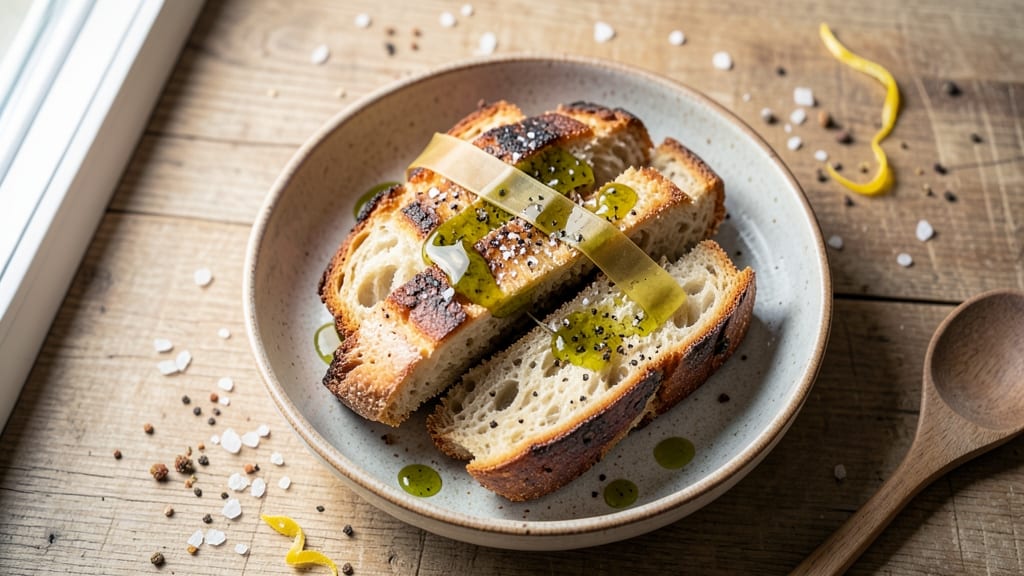
This alkaline spelt bread recipe transforms traditional baking with a lighter, more digestible loaf that boasts nutty depth and perfect rise. The secret lies in alkaline water—whether from baking soda or naturally alkaline sources—which enhances gluten structure for an airy crumb while improving digestibility.
I developed this recipe after years of experimenting with ancient grains and pH-balanced techniques that yield restaurant-quality results at home.
The process begins with a simple dough made from organic spelt flour, water adjusted to pH 8-9, and a touch of olive oil for moisture. Unlike conventional bread, this alkaline approach creates a loaf that's both tender and sturdy, with a crisp crust and open crumb structure.
The nutty flavor of spelt shines through without overpowering, making it versatile for sandwiches, toast, or serving alongside soups.
What sets this recipe apart is the precise method for proofing and baking—critical steps that determine the final texture. A slow fermentation at room temperature followed by a steam bath in the oven creates that signature lightness.
The result is a loaf that stays fresh longer than traditional bread while delivering superior nutrition, with all the benefits of alkaline baking preserved.
Perfect for those seeking gut-friendly options or simply a superior loaf, this recipe delivers consistent results with minimal effort. Store at room temperature for up to 3 days or freeze for longer freshness. Let's get started on creating your perfect alkaline spelt bread.
Ingredients for alkaline spelt bread
Transform ancient grains into a lighter, gut-friendly loaf with these carefully chosen ingredients.
| Ingredient | Amount | Notes |
|---|---|---|
| Organic Spelt Flour 🌾 | 4 cups | Light or medium grind preferred |
| Alkaline Water 💧 | 2 ½ cups | pH 8-9, use baking soda (1/4 tsp per cup) or mineral water |
| Extra-Virgin Olive Oil 🫒 | ¼ cup | Cold-pressed for optimal flavor |
| Sugar 🍯 | ½ tsp | White or raw cane sugar |
| Salt 🧂 | 1 ½ tsp | Fine sea salt preferred |
| Active Dry Yeast 🍞 | ½ tsp | Instant yeast works too |
| Ground Flaxseed 🌰 | 1 tbsp | For egg replacement |
| Cold Water 💧 | ½ cup | For flax egg mixture |
| Vegan Butter 🧈 | 1 tbsp | For brushing crust |
| Sesame Seeds 🌻 | 1 tbsp | Optional for topping |
| Baking Soda 🧪 | 1 tsp | For alkaline water adjustment |
| Cornmeal 🌽 | ¼ cup | For dusting baking sheet |
The organic spelt flour is the heart of this recipe—look for light or medium grind at specialty stores like Whole Foods or Bob's Red Mill online. The alkaline water is non-negotiable for that signature airy crumb; I use baking soda (1/4 tsp per cup) for consistency, but mineral water from brands like Essentia works too. The yeast should be fresh—check the date on the package, and store it in the freezer once opened. For the extra-virgin olive oil, California Olive Ranch or Colavita deliver that fruity depth that shines in the finished loaf. If you're using vegan butter for brushing, Miyoko's or Earth Balance are my go-tos—they melt beautifully without compromising flavor.
No baking soda? Skip the adjustment—your loaf will still rise, just with slightly different texture. Running short on flaxseed? Chia seeds work at double the amount (2 tbsp chia + 3 tbsp water). The sesame seeds are optional but add that satisfying crunch—Trader Joe's sells them pre-toasted for convenience. For the cornmeal, Bob's Red Mill or Annie's are reliable brands. If you're making this ahead, pre-ferment the dough overnight in the fridge for even deeper flavor. And trust me on the sugar—even half a teaspoon makes the crust irresistibly crisp.
This bread stays fresh for up to 5 days at room temperature if wrapped in a toweling-lined bag—way longer than conventional loaves. For longer storage, freeze slices between parchment paper for up to 3 months. The alkaline water trick means it reheats beautifully—just 5 seconds in the microwave or 3 minutes at 350°F to restore that bakery-fresh warmth. Double the recipe if you're feeding a crowd—it's that good. And if you're feeling fancy, brush with melted vegan butter right after baking for that golden finish.
Why You'll Love This Recipe
- No-Knead, No-Fuss Rise: I swear by this—just mix, let it sit, and bake. The alkaline water does all the heavy lifting while I sip my coffee, no stand mixer or fancy equipment needed.
- Nutty, Golden Crust: That spelt flour gives it a warm, slightly sweet depth, while the olive oil keeps it rich without being heavy. The crust? Perfectly crisp with a hint of caramelized sugar—like a sourdough’s sophisticated cousin.
- Meal Prep MVP: Slice it fresh and freeze the loaves for toast anytime. Or tear it into chunks for salads—it stays soft for days, so I’m never scrambling for bread when I’m short on time.
- Budget Bright Spot: Organic spelt flour is pricier, but one loaf stretches into sandwiches, croutons, or even breadcrumbs for months. I make two batches at once and split the cost—worth every penny for the flavor.
Step-by-step instructions for alkaline spelt bread
Here's how to craft a loaf with perfect rise and nutty depth—every step matters for that signature texture.
Prepare the Flax Egg and Alkaline Water
First, make the flax egg by whisking together the 1 tablespoon ground flaxseed and 0.5 cup cold water in a small bowl. Let it sit for 10 minutes until it thickens into a gel-like consistency—this replaces eggs perfectly. The alkaline water is equally important: dissolve the 1 teaspoon baking soda in the 2.5 cups alkaline water until fully integrated. This raises the pH, improving gluten development and creating that signature open crumb.
I always use a dedicated bowl for the flax egg to avoid cross-contamination with other ingredients. The alkaline water should have a slightly bitter taste—this confirms the pH adjustment worked. If you're using mineral water, check the label for naturally alkaline properties (pH 8-9). This step sets the foundation for both texture and digestibility in your bread.
Mix the Dough with Precision
In a large mixing bowl, combine the 4 cups organic spelt flour, 0.5 teaspoon sugar, and 1.5 teaspoons salt. Create a well in the center and add the flax egg, 0.25 cup extra-virgin olive oil, and 0.5 teaspoon active dry yeast. Mix with a wooden spoon until just combined—you'll see dry flour pockets, which is normal at this stage.
Gradually add the alkaline water while stirring continuously. The dough will be shaggy and sticky, but don't panic—this is expected with spelt flour. Wet your hands slightly and knead for 5-7 minutes until the dough becomes smooth and elastic. It should pull away from the bowl sides cleanly. If it's too sticky, add 1 tablespoon flour at a time until it's workable. The dough should be slightly tacky but not wet; this ensures proper gluten formation without making the bread dense.
First Rise for Optimal Development
Lightly oil a large bowl and place the dough inside. Cover with a damp kitchen towel and let it rise at room temperature (70°F) for 1.5 to 2 hours. You're looking for the dough to nearly double in size and feel springy when pressed gently. The alkaline environment speeds up fermentation, so monitor closely—over-rising can lead to a collapsed loaf.
Here's the thing—spelt dough rises differently than wheat. It's less elastic and more prone to sticking, so I recommend using a dough scraper to handle it. If the dough doesn't rise much after 2 hours, it might need a warmer environment. Place the bowl near a turned-off oven with the light on (about 80°F) for an extra 30 minutes to encourage activity. The goal is a dough that's puffy but still holds its shape when poked.
Shape and Second Rise
Turn the risen dough onto a lightly floured surface and gently shape it into a round loaf. I like to use the "stretch and fold" method: grab one side, stretch it upward, and fold it over itself, rotating the dough as you work. Repeat this process 3-4 times until the surface becomes smooth and taut. This step develops gluten strands that give the bread its signature chewy texture.
Place the shaped loaf back in the oiled bowl, cover again, and let it rise for another 30-45 minutes. It should expand slightly but not double in size—this final rise is more about relaxation than bulking. Preheat your oven to 375°F while the dough rests. This ensures your oven is ready when the bread is fully proofed, preventing any temperature fluctuations that could affect rise.
Bake to Golden Perfection
Line a baking sheet with parchment paper and dust it generously with 0.25 cup cornmeal. Transfer the dough onto the prepared sheet and brush the top with melted 1 tablespoon vegan butter. Sprinkle 1 tablespoon sesame seeds evenly over the surface for that classic touch. Bake for 35-40 minutes until the crust is deep golden brown and the internal temperature reaches 205°F when measured with an instant-read thermometer.
Here's where patience pays off: tap the bottom of the loaf—it should sound hollow. If the top browns too quickly, tent with foil after 20 minutes to prevent over-browning while ensuring the interior cooks through. The bread is done when the crust is crisp and the crumb is evenly baked with an open, airy texture. Let it cool on a wire rack for at least 1 hour before slicing—this prevents a gummy interior and allows the flavors to fully develop.
Pro Tips For Making Alkaline Spelt Bread
- Measure Alkaline Water Precisely: Grab a kitchen scale for this one—alkaline water’s pH can vary by brand, and eyeballing it risks throwing off the bread’s rise. Weigh it to match your recipe’s volume (usually 1:1 with flour), or you’ll end up with a dense loaf that feels like eating a brick.
- Whisk the Olive Oil In: Dump that EVOO straight into the dry flour? Bad move. Whisk it in first—even just a few seconds—so it coats the spelt flour evenly. I learned this after my first batch turned out greasy in spots and dry in others. Trust me, the texture improves when the oil distributes properly.
- Skip the Over-Kneading: Spelt dough is delicate, and alkaline water makes it even trickier. Knead just until the dough comes together—about 2-3 minutes by hand—and resist the urge to overwork it. Over-kneading develops gluten too much, and your bread will turn out tough instead of light and airy.
- Steam the First 10 Minutes: Yes, even if your recipe doesn’t mention it. Place a metal bowl of boiling water on the oven rack while preheating, then bake the bread with the oven door slightly ajar for the first 10 minutes. The steam helps create that crisp crust without drying out the crumb—something I only figured out after my first loaf came out flat and gummy.
Perfect pairings for alkaline spelt bread
Top Spreads
This nutty spelt bread pairs beautifully with avocado mash—mix 1 ripe avocado with 1 tbsp lemon juice, ½ tsp salt, and 1 tbsp vegan cream cheese for a creamy, tangy contrast.
I also love almond butter with a drizzle of maple syrup—the protein-rich spread complements the bread's earthy notes perfectly. 🥑
Soup Companions
Serve alongside roasted vegetable soup with carrots, zucchini, and tomatoes for a hearty, seasonal combo. The alkaline bread's crisp crust soaks up the broth beautifully. For something lighter, try chilled cucumber-dill soup—the cool, refreshing flavors balance the bread's warmth.
I often make a double batch of soup to enjoy with freshly baked loaves.
Sweet Toppings
Transform slices into toasted French toast by dipping in a mix of ¼ cup almond milk, 1 tbsp maple syrup, and ½ tsp cinnamon, then pan-frying until golden.
For dessert, spread with cashew cream (blend ½ cup soaked cashews with 2 tbsp water) and top with fresh berries. The bread's nutty depth shines in sweet applications too!
Savory Sandwich Fillings
Use for Mediterranean wraps with hummus, roasted red peppers, and spinach—wrap tightly in the bread for a portable, flavor-packed meal. For a classic, try vegan "BLT" with crispy tempeh bacon, lettuce, and tomato on toasted slices. The alkaline bread holds up perfectly to juicy fillings without getting soggy. 🥪
Beverage Pairings
Pair with chamomile tea to enhance relaxation—both are gut-friendly and complement the bread's mild sweetness. For coffee lovers, a light roast with oat milk highlights the bread's nutty undertones.
I also enjoy sparkling water with lemon to cleanse the palate between bites. The alkaline properties in the bread make it surprisingly versatile with drinks.
Global Variations
Try an Italian twist by adding 1 tbsp dried oregano to the dough and serving with marinated artichokes. For a Mexican-inspired version, sprinkle ½ tsp cumin on top before baking and serve with black bean dip.
The alkaline method works beautifully across cuisines, adapting to bold flavors while keeping the bread's signature texture. 🌍
Nutrition facts
Frequently asked questions
Why does this recipe use alkaline water instead of regular water?
The alkaline water (pH 8-9) creates a more open crumb structure and improves gluten development, resulting in a lighter, airier loaf. It also enhances digestibility by breaking down gluten proteins slightly—ideal for those with mild sensitivities. You can achieve this by adding 1/4 tsp baking soda per cup of water or using naturally alkaline mineral water.
Can I substitute spelt flour with regular whole wheat flour?
While it's possible, the flavor and texture will differ significantly. Spelt has a naturally sweeter, nuttier taste that pairs beautifully with the alkaline treatment. If substituting, reduce flour by 1/4 cup (spelt is denser) and add 1 tbsp vital wheat gluten to improve elasticity. The loaf will be heavier but still edible.
How do I know when the dough has risen enough?
Press the dough gently—it should spring back slowly (not quickly like wheat dough) and nearly double in size. For spelt, look for 50-75% increase in volume over 1.5-2 hours. If your kitchen is cold (65°F), place the bowl near the oven light to create a 75°F environment. Over-rising can cause a collapsed loaf.
What's the best way to store this bread to keep it fresh?
Wrap cooled slices in beeswax wrap or place the whole loaf in a towel-lined bag to prevent drying. It stays fresh for 5-7 days at room temperature. For longer storage, freeze slices between parchment paper for up to 3 months. To revive, warm at 350°F for 3 minutes or in a 200°F oven for 5 minutes.
Can I make this bread without yeast?
Yes! Replace the yeast with 1 tbsp baking soda and 1 tbsp apple cider vinegar for a quick bread version. The texture will be denser but still delicious. For best results, use the same alkaline water and reduce flour by 1/4 cup to account for the extra moisture from the vinegar. Bake at 375°F for 25-30 minutes until golden.