
Side Dishes
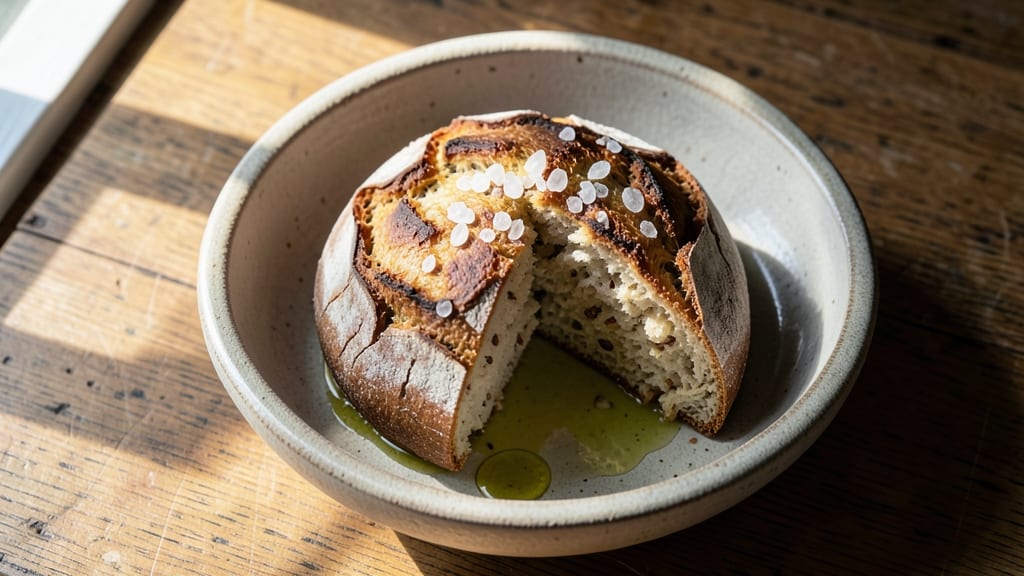
Alice Waters' bread recipe brings the soul of Chez Panisse to your kitchen—where rustic charm meets no-knead simplicity. This whole-grain loaf embodies her philosophy: organic ingredients, slow fermentation, and hands-on care. The secret lies in high-quality flour and patience, transforming basic pantry staples into artisanal perfection.
What sets this recipe apart is the no-knead technique, which develops deep flavor through overnight fermentation. The dough rests while you sleep, allowing gluten to relax and flavors to meld naturally.
No stand mixer required—just time and gentle handling. The result? A crust with crispy edges and a crumb so tender it crumbles like cloud.
Baking at high heat creates that signature golden-brown crust, while the interior remains moist and fragrant with whole grains. Each slice carries the earthy richness of organic flour and the subtle sweetness of slow fermentation.
This is bread that tells a story—one of tradition, quality, and the quiet joy of making something truly special.
Perfect for serving with soups, charcuterie boards, or simply toasted with butter. The recipe yields two rustic loaves, so you'll have leftovers worth savoring. Let's begin with the foundation of this iconic loaf.
Ingredients for alice waters bread
Organic whole grains and slow fermentation create Alice Waters' iconic rustic loaf—where tradition meets no-knead simplicity.
| Ingredient | Amount | Notes |
|---|---|---|
| Organic Whole-Grain Flour Blend 🌾 | 5 cups | High-protein, 100% organic, unbleached |
| Active Dry Yeast 🍞 | ¼ oz | Fresh yeast preferred for best rise |
| Granulated Cane Sugar 🍯 | 1 tbsp | Organic, unrefined preferred |
| Diamond Crystal Kosher Salt 🧂 | 2 tsp | Fine grain for even distribution |
| Extra-Virgin Olive Oil 🫒 | ½ cup | Cold-pressed, fruity variety |
| Warm Water 💧 | 1 ½ cups | 110°F for optimal yeast activation |
| Honey 🍯 | 1 tbsp | Raw, unfiltered preferred |
| Cornmeal 🌽 | ½ cup | For dusting bread pans |
| Ice Water ❄️ | 1 cup | For final dough adjustment |
| Coarse Sea Salt 🧂 | 1 tsp | For final crust enhancement |
| Cornstarch 🌾 | 1 tbsp | For dusting finished loaves |
The flour is the heart of this recipe. King Arthur Organic Whole Grain or Bob's Red Mill 11-Grain blend delivers the perfect balance of texture and flavor. If you can't find a pre-mixed whole grain blend, combine 50% whole wheat berries with 50% all-purpose flour for a rustic texture. The yeast should be fresh—test it by dissolving in warm water with a pinch of sugar; if it bubbles within 5 minutes, it's active. For the olive oil, California Gold or Colavita brands offer that fruity depth that carries through baking. Organic honey adds subtle sweetness while supporting fermentation, so avoid processed varieties that may contain additives.
No organic flour? Stone-ground whole wheat flour works in a pinch, though the texture will be denser. Fresh yeast unavailable? Instant yeast at 70% the amount suffices, but dissolve it directly in the flour. The warm water temperature is critical—110°F activates yeast without killing it. Too hot? The dough will rise too quickly and collapse. Too cold? Fermentation slows dramatically. For the final dough adjustment, ice water prevents overproofing. If your kitchen is warm, chill the dough an extra 30 minutes before shaping. The coarse sea salt on top isn't just for flavor—it creates that signature crust texture, so don't skip it.
This dough requires patience. After mixing, let it rest at room temperature for 1 hour before refrigerating overnight. The longer it ferments (8-12 hours ideal), the more complex the flavor. Shape the loaves in 9x5-inch loaf pans lined with parchment paper for easy removal. For a more rustic look, skip the pans and bake on a preheated baking steel. Store wrapped at room temperature for 3 days or freeze for 3 months. The crust firmens as it cools, so slice when fully cooled for clean cuts. Leftovers? Toast them—nothing beats freshly baked bread straight from the oven.
Why You'll Love This Recipe
- No-Knead Magic: I’ll admit, I was skeptical about no-knead bread—until I tried this. The yeast and olive oil do all the heavy lifting while I sip coffee. Honestly, the dough comes together in minutes, and the slow rise means zero babysitting.
- Whole-Grain Gold: That organic whole-grain blend? It’s the star. The bread has a nutty depth that’s way more interesting than white bread, but it’s still soft enough to tear with your hands. (Yes, even my kids stop complaining about "healthy" bread.)
- Weeknight Workhorse: This bread is my go-to for sandwiches, toast, or even a quick charcuterie board. The olive oil keeps it rich without being heavy, and it reheats beautifully—perfect when I’m prepping ahead or need a last-minute side.
- Budget-Friendly Staple: I buy flour in bulk, and this recipe stretches it far. A single batch feeds my family for days, and the kosher salt and sugar are just enough to make it feel special without breaking the bank. (Between us, I’ve made it with store-brand yeast too—still delicious.)
Step-by-step instructions for Alice Waters' whole-grain rustic loaf
This no-knead method delivers artisanal texture with minimal effort—perfect for home bakers.
Activate the Yeast and Mix the Dough
In a large mixing bowl, combine the 5 cups Organic Whole-Grain Flour Blend, 1 tbsp Granulated Cane Sugar, and 2 tsp Diamond Crystal Kosher Salt. Make a well in the center and add the 0.25 oz Active Dry Yeast. Pour in the 1.5 cups Warm Water (tested at 110°F) and 0.5 cup Extra-Virgin Olive Oil, then gently mix with a wooden spoon until just combined.
Here's the thing—whole-grain flours absorb moisture differently than white flour. Let the dough rest for 10 minutes while you prepare the honey mixture. In a small bowl, whisk together 1 tbsp Honey and 1 cup Ice Water. The honey helps balance the dough's acidity while the ice water prevents overproofing. After resting, add the honey mixture to the dough and stir until fully incorporated. The dough should be shaggy but cohesive—no need to overwork it.
Let the Dough Rest and Develop
Cover the bowl with a damp kitchen towel and let the dough rest at room temperature for 12-16 hours. This slow fermentation develops deep flavor and improves texture. I place my bowl in a slightly warm spot (like near the oven with the light on) to encourage activity without overheating. You'll know it's ready when the dough has nearly doubled in size and smells slightly sweet and tangy.
Don't rush this step. The extended rest time allows the yeast to break down complex carbohydrates in the whole grains, creating a more flavorful, open crumb structure. If your kitchen is cold, the dough may take up to 24 hours—just check for that doubled volume and active bubbles on the surface before proceeding.
Shape and Final Proof
Lightly dust a work surface with 1 tbsp Cornstarch and turn out the dough. Gently fold the edges toward the center to form a loose round shape. Place the dough seam-side up in a 9x5-inch loaf pan that's been lightly coated with 0.5 cup Cornmeal. Cover again with the damp towel and let it proof for 2-3 hours until it rises about 1 inch above the pan's rim.
This shaping step is crucial for an even rise. Press down gently on the dough during the final proof to encourage an even crumb. The cornmeal coating prevents sticking and creates that classic rustic texture on the bottom of the loaf. If your kitchen is warm, the dough may rise faster—check it frequently during the last hour of proofing.
Bake to Golden Perfection
Preheat your oven to 375°F. Before baking, sprinkle the risen dough with 1 tsp Coarse Sea Salt and score the top with a sharp knife in a simple crosshatch pattern. This creates steam vents and gives the bread its signature crust. Bake for 45-50 minutes until the loaf is deep golden brown and sounds hollow when tapped on the bottom.
The internal temperature should reach 190-200°F when measured with an instant-read thermometer. For that perfect crust, I like to spray the oven walls with water during the first 10 minutes of baking—this creates steam that enhances browning. Let the bread cool in the pan for 10 minutes, then transfer to a wire rack to finish cooling completely before slicing.
Dust and Serve
Once completely cooled, lightly brush the loaf with any remaining Extra-Virgin Olive Oil and dust with 1 tbsp Cornstarch for that classic rustic finish. The bread will keep well wrapped at room temperature for 3 days, or you can freeze slices for up to 3 months. For best flavor, serve within 2 days of baking when the crumb is at its freshest.
Each slice should reveal an open, irregular crumb with pockets of air—proof of the slow fermentation. The crust should be crisp yet tender, with a subtle sweetness from the honey and nutty depth from the whole grains. This method delivers professional-quality bread with minimal effort, just as Alice Waters would make it.
Pro Tips For Making Alice Waters Bread
- Bloom Yeast Slowly: Sprinkle that yeast over warm water (not hot—think lukewarm bathwater) and let it sit for 5 full minutes before adding flour. I used to rush this, and my dough never rose right—whole grains need extra patience to wake up the yeast properly.
- Measure Salt Precisely: Diamond Crystal kosher salt is fluffy—use the included spoon or weigh it (1 tsp = ~5g). I learned this the hard way after under-salting a batch and wondering why it tasted bland. Whole-grain dough forgives less than white flour does.
- Knead Just Enough: Stop when the dough pulls cleanly away from the bowl but still feels slightly tacky—overworking whole grains makes it dense. My grandmother swore by this: "It should fight you a little, not turn into glue."
- Oil the Bowl Twice: Coat the mixing bowl with olive oil first, then toss the dough in and oil it again before the first rise. This prevents sticking without needing extra flour, which can throw off the yeast’s balance in whole-grain dough. (Yes, it’s extra steps, but it’s worth it.)
Wine and beer pairings for this alice waters bread
White Wine Pairings
Alice Waters' rustic whole-grain loaf pairs beautifully with crisp, mineral-driven white wines that complement its nutty, earthy complexity. A dry Riesling from Germany—like Dr. Loosen Blue Slate—cuts through the bread's richness with its bright acidity and subtle honeyed notes.
The wine's slight sweetness mirrors the honey in the dough, while its citrus undertones refresh your palate between bites. 🍷
Italian Reds for Rustic Harmony
For a bold pairing, reach for a Chianti Classico like Castello di Volpaia—its cherry and dried herb notes harmonize with the bread's whole grains. The wine's medium body and earthy undertones mirror the loaf's rustic charm, while its acidity prevents the bread from tasting too heavy.
Serve slightly chilled to enhance the wine's freshness.
Beer Pairings
A Belgian Witbier like Hoegaarden offers the perfect balance—its coriander and orange peel notes complement the bread's honey and whole-grain sweetness. The beer's effervescence cleanses your palate, making each bite of crusty bread feel fresh.
For a darker option, try a German Pilsner like Weihenstephaner—its crisp, malty profile stands up to the bread's nutty depth.
Seasonal Adaptations
In summer, a Sauvignon Blanc from New Zealand—like Cloudy Bay—adds vibrant citrus and herbal notes that contrast the bread's warmth. For winter, a Pinot Noir from Oregon—such as Domaine Serene—wraps around the loaf's cozy texture with its velvety tannins and spice.
Both wines enhance the bread's seasonal appeal without overpowering its natural flavors.
Unexpected Non-Alcoholic Options
Don't overlook sparkling apple cider like Martinelli's—its effervescence and slight tartness mirror the bread's crusty texture. For a richer alternative, try hibiscus iced tea sweetened with a touch of honey, which echoes the dough's subtle sweetness while adding floral complexity.
Both options are refreshing and highlight the bread's artisanal qualities. 🍏
Nutrition facts
Frequently asked questions
Why does Alice Waters' bread recipe use whole-grain flour?
Whole-grain flour is essential for this recipe because it delivers the signature rustic texture and nutty depth Alice Waters champions. The bran and germ in whole grains create a denser, more flavorful crumb compared to white flour. Plus, it aligns with her philosophy of using organic, nutrient-rich ingredients that support both the body and the environment.
Can I make this bread without a stand mixer?
This is a no-knead recipe designed for minimal effort. Simply mix the ingredients by hand with a wooden spoon until just combined—no mixer required. The dough's development happens during the long fermentation, so gentle handling is all you need. The result will be just as artisanal as if you'd kneaded it.
What if my dough doesn't rise overnight?
Cold temperatures can slow fermentation. If your kitchen is below 68°F, extend the rest time to 24 hours or place the dough near a warm spot (like an oven with the light on). Check the yeast first—it should bubble within 5 minutes in warm water with sugar. If not, replace it with fresh yeast.
How do I store leftover bread to keep it fresh?
Wrap the cooled loaf tightly in plastic wrap or place it in an airtight container. Store at room temperature for up to 3 days—the crust will firm up as it cools, but the crumb stays tender. For longer storage, freeze slices for 3 months. Toast frozen slices directly from the freezer for maximum crispiness.
Can I substitute honey with another sweetener?
Yes, but honey's unique properties matter. Use 1 tbsp maple syrup or agave nectar in a pinch, but avoid refined sugar—it lacks the enzymes that support fermentation. The sweetener should enhance flavor while balancing the dough's acidity. If using a replacement, reduce to 0.75 tbsp to prevent over-sweetness.