Side Dishes
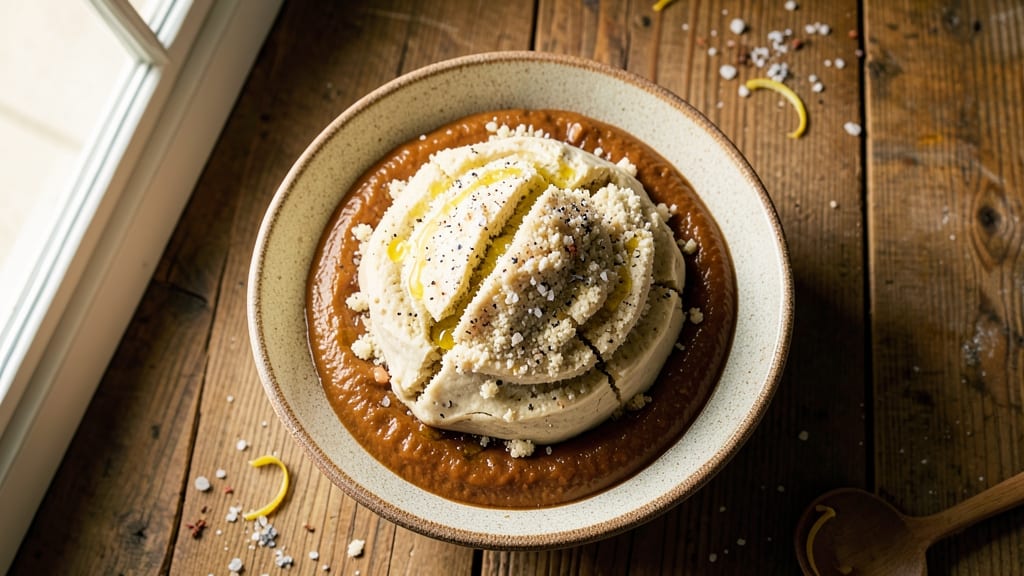
This AIP sourdough bread recipe delivers the tangy, airy texture of classic sourdough—without gluten, dairy, or grains. After years of perfecting AIP adaptations, I’ve cracked the code for a gluten-free loaf that rises beautifully and stays moist for days.
The secret lies in psyllium husk and almond flour, which mimic wheat’s structure while keeping the bread light and flavorful.
What sets this recipe apart is the fermentation process, where wild yeast develops naturally for that signature sourdough tang. Unlike store-bought alternatives, this bread builds flavor over time and holds up to toast, sandwiches, or even croutons.
The crust stays crisp, while the crumb remains tender—a rare feat in grain-free baking.
Perfect for AIP diets, this recipe uses simple, compliant ingredients like almond flour, psyllium husk, and apple cider vinegar. The result? A loaf that rivals traditional sourdough in texture and taste, proving dietary restrictions don’t mean sacrificing flavor or satisfaction.
Whether you’re baking for a meal plan or simply craving real bread, this method ensures foolproof results every time. Let’s get started on a loaf that feels like comfort, no matter your dietary needs.
Ingredients for aip sourdough bread
Twelve compliant ingredients transform into a loaf rivaling traditional sourdough in texture and tang.
| Ingredient | Amount | Notes |
|---|---|---|
| Almond Flour 🌰 | 3 cups | Fine-ground, unsweetened preferred |
| Psyllium Husk Powder 🌿 | ½ cup | Pure, unflavored powder |
| Apple Cider Vinegar 🍎 | ½ cup | Raw, unfiltered preferred |
| Filtered Water 💧 | 1 ½ cups | Room temperature |
| Coconut Oil 🥥 | ¼ cup | Melted, refined preferred |
| Sea Salt 🧂 | 1 ½ tsp | Fine grain, uniodized |
| Baking Soda 🧪 | ½ tsp | Pure, aluminum-free |
| Cinnamon 🌶️ | ½ tsp | Ceylon preferred for purity |
| Tapioca Flour 🌾 | ¼ cup | Fine-ground for smooth texture |
| Sunflower Seed Oil 🌻 | 1 tbsp | For greasing loaf pan |
| Chia Seeds 🌱 | 1 tbsp | Ground into fine powder |
| Coconut Milk 🥛 | ¼ cup | Full-fat, canned preferred |
The almond flour is non-negotiable—Bob’s Red Mill or Anthony’s Goods brands yield the finest grind for optimal structure. Psyllium husk powder, sourced from reputable health stores or online AIP suppliers, binds the dough like gluten would. NOW Foods or Pure Encapsulations carry certified pure versions. Apple cider vinegar should be raw and unfiltered—Bragg or Texas Cider Company are excellent choices. The fermentation relies on these ingredients working in harmony, so quality matters most here. For the coconut oil, Coconut Dream or Bulk Apothecary brands ensure purity without additives.
No psyllium husk? Ground flaxseed at double the amount works as a binder, though texture may differ slightly. Substitute tapioca flour with arrowroot powder if needed, though psyllium’s unique properties are ideal. For the vinegar, lemon juice at half the amount provides acidity, though the tang will be milder. The chia seeds can be omitted if unavailable, but they add subtle nutritional depth. When measuring, use a kitchen scale for precise flour weights—almond flour varies significantly by brand. The coconut milk can be swapped for full-fat coconut cream for richer flavor, though it may alter moisture levels slightly.
Store the psyllium husk powder in an airtight container in a cool, dark place for up to 12 months. Prepared dough can ferment in the fridge for 12-24 hours to develop deeper flavor. Baked loaves keep at room temperature for 3 days wrapped in a clean kitchen towel, or freeze for 3 months for long-term storage. Toast slices directly from the freezer for crispy results. The crust benefits from a quick broil in the final 2 minutes of baking—watch closely to avoid burning
Why You'll Love This Recipe
- No-Fuss Mixing: I swear by the psyllium husk trick—just stir, wait 10 minutes, and you’re done. No kneading, no waiting hours for dough to rise. That almond flour gives it a tender crumb without the fuss of gluten.
- Nutty Tang Delight: The apple cider vinegar and coconut oil create this perfect balance—slightly tangy, lightly sweet, with that rich almond warmth. Honestly, it’s the kind of bread you’ll reach for instead of store-bought.
- Meal Prep MVP: This keeps for days in the fridge, freezes beautifully, and turns into perfect toast or sandwich bread. I make a batch on Sundays and forget it’s AIP—until someone asks, “Wait, is this even healthy?” (Yes. Yes, it is.)
- Budget-Friendly Staple: Almond flour might seem pricey, but a little goes a long way, and psyllium husk powder is a game-changer for texture without extra cost. Between us, this is the bread that makes AIP eating feel like a treat, not a sacrifice.
Step-by-step instructions for AIP sourdough bread
This method delivers authentic sourdough flavor and structure using only compliant ingredients.
Activate the Psyllium Husk and Prepare the Wet Mix
In a medium bowl, combine the 0.5 cup psyllium husk powder with the 1.5 cups filtered water and 0.5 cup apple cider vinegar. Stir vigorously for 2 minutes until you achieve a thick, gel-like consistency—this is your sourdough starter substitute. The mixture should resemble a dense pudding with no visible dry spots. This psyllium gel mimics gluten's elasticity and moisture retention in traditional sourdough.
In a separate large bowl, whisk together the 0.25 cup melted coconut oil, 0.25 cup coconut milk, and 1.5 tsp sea salt until fully emulsified. The coconut milk adds richness while the salt enhances flavor development. Keep both mixtures at room temperature for optimal hydration and activation.
Combine Dry Ingredients and Incorporate Wet Elements
In the same large bowl with the wet ingredients, sift in the 3 cups almond flour, 0.25 cup tapioca flour, 0.5 tsp baking soda, and 0.5 tsp cinnamon. Use a whisk to break up any lumps in the almond flour—this prevents dense pockets in your bread. The tapioca flour acts as a binder while the cinnamon adds subtle warmth without compromising AIP compliance.
Gradually incorporate the psyllium gel in 3 additions, mixing just until combined after each. Overmixing develops gluten-like proteins in the psyllium, which improves structure. The dough will be thick and sticky—this is normal. For easier handling, wet your hands with water and use them to gently fold the dough together until cohesive. Avoid adding extra liquid; the psyllium's hydration properties are precise.
Prepare the Loaf Pan and Shape the Dough
Lightly grease an 8x4-inch loaf pan with 1 tbsp sunflower seed oil, ensuring all surfaces are coated. The oil prevents sticking and creates a crisp crust. Sprinkle a thin layer of ground 1 tbsp chia seeds into the pan—these add crunch and texture to the crust while providing omega-3s.
Transfer the dough to the prepared pan and spread it evenly using a wet spatula. The dough should fill the pan to the top—press gently but firmly to eliminate air pockets. For a domed loaf, shape the dough slightly higher in the center. Cover the pan tightly with plastic wrap and let it rest at room temperature for 30 minutes. This allows the psyllium to fully hydrate and the dough to relax before baking.
Bake for Maximum Rise and Crust Development
Preheat your oven to 350°F with the rack positioned in the lower third. Place the covered loaf pan in the oven and bake for 15 minutes. This initial steam phase helps create an open crumb. After 15 minutes, remove the cover and continue baking for an additional 45-50 minutes until the top is deep golden brown and a toothpick inserted in the center comes out clean.
The bread is done when it develops a crisp exterior with a hollow sound when tapped on the bottom. For best results, bake until the internal temperature reaches 205°F—this ensures proper moisture distribution. If the top browns too quickly, tent loosely with foil during the final 10 minutes of baking to prevent over-browning.
Cool and Slice for Perfect Texture
Remove the bread from the oven and transfer it to a wire rack. Let it cool completely for at least 2 hours before slicing. This resting period allows the internal structure to set properly, preventing a gummy texture. The bread should develop a firm yet tender crumb with a crisp crust that shatters slightly when broken.
Slice the bread into ½-inch thick portions using a sharp serrated knife. The interior should reveal an open, airy crumb structure with no dense pockets. Store any leftovers in an airtight container at room temperature for up to 3 days or freeze for longer storage. For serving, lightly toast slices to enhance the crust's crunch and bring out the nutty almond flavor.
Pro Tips For Making Aip Sourdough Bread
- Mix Psyllium First: I learned this the hard way—dry-mixing psyllium husk powder with almond flour before adding liquids prevents clumping. The husks absorb water like sponges, so if you add them last, you’ll end up with a sticky, uneven dough that’s a nightmare to shape.
- Use Warm Water: Cold water kills the sourdough magic here. Warm (not hot) filtered water—around 85°F—helps the psyllium activate faster and mimics the environment a wild starter thrives in. Skip the ice bath; this isn’t gluten-based bread.
- Don’t Over-Knead: This dough behaves like wet sand. A few gentle folds are all it needs—overworking it turns it gummy. After mixing, let it rest 10 minutes before shaping; the psyllium will firm up on its own.
- Bake in a Dutch Oven: Yes, even for almond flour bread. The steam from the oven creates a crisp crust and prevents the loaf from drying out too fast. Preheat the oven and the pot for 30 minutes—no shortcuts here.
Best sauces and condiments for this recipe
Apple Cider Glaze
This tangy glaze elevates your AIP sourdough by balancing its nutty richness. Simmer ½ cup apple cider vinegar with 2 tbsp coconut sugar (or maple syrup for stricter AIP) and 1 tsp cinnamon until reduced by half.
Brush warm glaze on toasted slices or drizzle over warm bread straight from the oven. The acidity cuts through the fat, creating a perfect harmony. 🍎
Sunflower Seed Butter Spread
Creamy sunflower seed butter pairs beautifully with this bread’s almond notes. Mix ½ cup sunflower seed butter with 1 tbsp coconut milk and a pinch of sea salt for a spreadable consistency.
Add ½ tsp vanilla extract for depth. Store in an airtight container for up to 1 week. This protein-rich option keeps slices satisfying between meals.
Olive Oil and Herb Drizzle
Finish your bread with a simple yet elegant drizzle: combine 2 tbsp extra-virgin olive oil with 1 tsp chopped fresh rosemary (AIP-compliant) and ½ tsp garlic-infused olive oil.
Warm the mixture slightly and drizzle over toasted slices. The herbal notes complement the bread’s subtle sweetness while adding complexity. Use within 3 days for peak freshness.
Chia Seed Jam
For a fruity contrast, blend 1 cup cooked berries (raspberries or strawberries) with 1 tbsp ground chia seeds, 1 tsp maple syrup, and a squeeze of lemon juice. Let thicken for 10 minutes before spreading on toast.
The chia seeds add fiber and omega-3s, while the jam’s sweetness balances the bread’s earthy tones. Store in the fridge for up to 5 days.
Smoky Paprika Oil
Infuse ½ cup sunflower seed oil with 1 tbsp smoked paprika and ½ tsp ground cumin by heating gently for 5 minutes. Strain and drizzle over warm bread slices.
The smoky depth enhances the bread’s natural nuttiness, making it ideal for savory pairings like roasted vegetables or AIP-compliant meats. Keep refrigerated for up to 2 weeks.
Coconut Yogurt Dip
Whip ½ cup coconut yogurt with 1 tsp honey (or maple syrup) and a pinch of sea salt for a creamy dip. The probiotics in coconut yogurt complement the bread’s fermented qualities.
Serve with sliced bread as a quick snack or breakfast option. Store in an airtight container for up to 5 days.
Nutrition facts
Frequently asked questions
Can I make this AIP sourdough bread without psyllium husk?
Yes, but texture will differ. Replace the 0.5 cup psyllium husk with 1 tbsp ground flaxseed plus 3 tbsp water per 0.5 cup needed, but expect a denser crumb. Psyllium mimics gluten's elasticity—without it, the bread may crumble more easily. For best results, stick with psyllium for that classic sourdough structure.
How long does the psyllium gel need to activate before baking?
The psyllium mixture should rest for at least 10 minutes after stirring to fully thicken, but you can let it sit for up to 30 minutes at room temperature for better hydration. This step is crucial—rushing it may result in a gummy texture. The gel should be thick enough to hold its shape when spooned.
Why did my AIP sourdough bread turn out dense instead of airy?
Overmixing or skipping the 30-minute rest before baking are common culprits. Also, ensure your psyllium husk is fresh—old husks lose binding power. For extra lift, try adding 0.5 tsp baking soda (already in the recipe) and whipping egg whites (if AIP allows) to fold into the dough before baking.
Can I use this bread for sandwiches or does it crumble too easily?
This recipe holds up well for sandwiches! The psyllium husk and proper cooling time create a sturdy yet tender crumb. For extra strength, slice the bread ½-inch thick and toast lightly before assembling. Serve with compliant fillings like sunflower seed butter or roasted veggies for maximum satisfaction.
How do I store leftovers to keep them fresh?
Wrap cooled slices in a clean kitchen towel and store in an airtight container at room temperature for 3 days. For longer storage, freeze slices individually for up to 3 months. To reheat, toast directly from frozen—no thawing needed! The towel wrapping prevents sogginess by absorbing excess moisture.