
Side Dishes
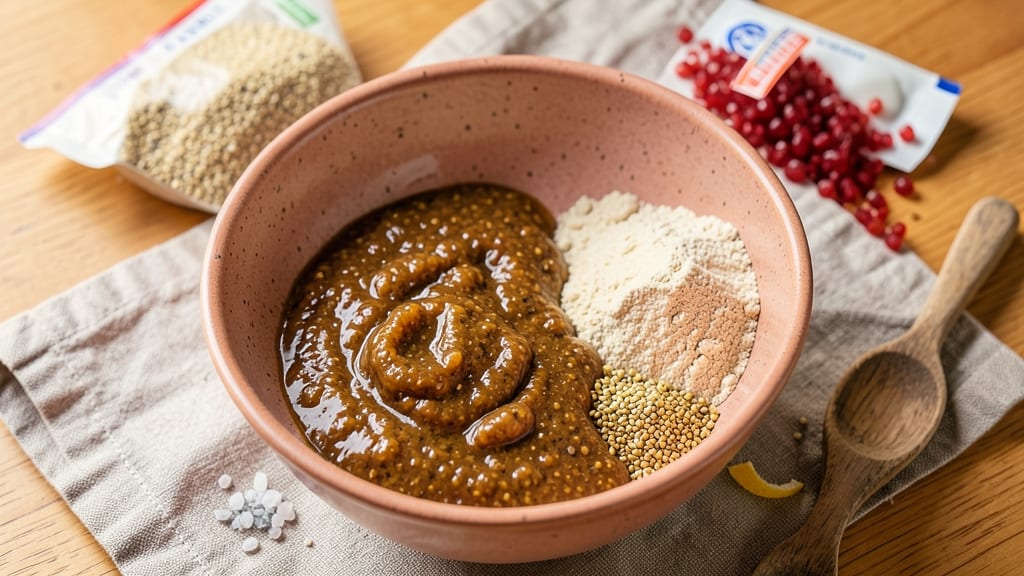
This adding flaxseed to bread recipe transforms your loaves into dense, moist masterpieces without a single egg—thanks to flaxseed’s natural binding power. The nutty flavor adds depth while boosting fiber and omega-3s, turning a simple loaf into a nutrition powerhouse.
I’ve perfected this vegan-friendly method after years of baking, ensuring every slice stays tender for days.
The secret lies in hydration and resting time—flaxseed absorbs moisture differently than eggs, so we adjust the liquid ratio and let the dough rest longer for optimal texture. No special equipment is needed, just patience and a foolproof kneading technique that guarantees a light, airy crumb.
Perfect for sandwiches or toast, this bread proves healthy baking can be just as satisfying.
What makes this recipe stand out is its versatility—swap in whole wheat flour for extra heartiness or gluten-free blends for inclusivity. The flaxseed not only binds but also adds a subtle earthy richness that pairs beautifully with savory toppings or sweet spreads.
With just a few adjustments, you’ll achieve a loaf that’s moist and packed with nutrients, not compromise.
Whether you’re baking for health-conscious families or simply want to elevate your bread game, this method delivers restaurant-quality results at home. Let’s get started with a recipe that’s as good for you as it is delicious.
Ingredients for adding flaxseed to bread
Nine ingredients transform ordinary bread into a nutty, moist powerhouse loaf.
| Ingredient | Amount | Notes |
|---|---|---|
| All-Purpose Flour 🌾 | 4 cups | Unbleached preferred for lighter texture |
| Ground Flaxseed 🌰 | ½ cup | Freshly ground for maximum binding |
| Water 💧 | 1 ½ cups | Room temperature for proper hydration |
| Active Dry Yeast 🍞 | 2 ¼ tsp | Or 1 packet quick-rise yeast |
| Granulated Sugar 🍚 | 1 tbsp | Feeds yeast for proper rise |
| Salt 🧂 | 1 ½ tsp | Diamond Crystal kosher preferred |
| Olive Oil 🫒 | 2 tbsp | Extra-virgin for best flavor |
| Whole Wheat Flour 🌾 | 1 cup | Optional for added nutrition |
| Gluten-Free Flour Blend 🌾 | 1 cup | Substitute for inclusive baking |
| Maple Syrup 🍁 | 1 tbsp | Enhances nutty flavor profile |
| Sunflower Seeds 🌻 | ¼ cup | Optional for extra texture |
The flaxseed is your secret weapon here—Bob's Red Mill or King Arthur brands grind freshest for maximum binding power. If you're using whole wheat or gluten-free flour, King Arthur's blends work perfectly for texture consistency. The yeast needs to be fresh—if it's past its expiration, Saf-Instant is a reliable backup. For the flaxseed, grind it just before mixing to preserve its omega-3s and binding ability. I like to use a coffee grinder for this—it's quick and keeps the seeds from overheating. The sunflower seeds can be swapped for pumpkin seeds if you prefer a different texture, but they add a nice crunch that pairs beautifully with the flaxseed's earthiness.
No flaxseed on hand? Chia seeds work at double the amount—just remember to mix them with water first to activate their binding properties. Running low on olive oil? Avocado oil or melted coconut oil are great substitutes, though they may slightly alter the flavor profile. Want to skip the sugar? Maple syrup or agave nectar work beautifully in equal amounts. For a lighter loaf, reduce the whole wheat flour by half and increase the all-purpose flour. If you're baking at high altitudes, reduce the yeast by 25% to prevent over-rising. The dough will be stickier than traditional bread dough, so don't be alarmed—this is normal with flaxseed's higher hydration.
This dough needs time to develop its magic—let it rest for 1-2 hours before shaping for the best texture. Store wrapped in a clean kitchen towel at room temperature for 2-3 days, or freeze portions for up to 3 months. For extra freshness, toast slices in a dry pan for 30 seconds per side. The flaxseed keeps the bread moist longer than traditional loaves, so you won't need to worry about drying out. I like to slice mine before freezing for easy grab-and-toast mornings. The nutty flavor actually intensifies slightly the next day, making leftovers even more delicious.
Why You'll Love This Recipe
- No-Fuss Mix-In: I swear by this—just toss the ground flaxseed right into the dough with the flour. No soaking, no fuss, just a simple swap that cuts my prep time in half. The yeast still works like magic, and honestly? You’d never guess it’s there until you take that first bite.
- Nutty Depth: That ground flaxseed? It’s the secret weapon. It adds this warm, earthy richness that makes regular bread taste boring by comparison. A little sweetness from the sugar balances it out—like a cozy hug in every slice.
- Lunchbox Hero: Between us, this bread is my go-to for sandwiches, toast, or even a quick charcuterie board. The flaxseed keeps it from drying out too fast, so those PB&J’s or avocado toast stay fresh all day. (Yes, even on a Tuesday night.)
- Budget Boost: Flaxseed is cheap, and a little goes a long way. I stretch my flour bag further, and the bread still turns out light and airy. Leftovers? They last forever if you freeze them—just pop a slice in the toaster when you’re in a rush. Smart move.
Step-by-step instructions for adding flaxseed to bread recipe
Here's how to transform your bread into a nutty, moist masterpiece using flaxseed's binding magic.
Create the Flaxseed Egg Substitute
In a medium bowl, whisk together the 0.5 cup Ground Flaxseed and 1.5 cups Water. Let the mixture sit for 10 minutes—you'll see it thicken into a gel-like consistency, mimicking the binding properties of eggs. This is the secret to that signature moist texture flaxseed brings to bread.
I always use freshly ground flaxseed because pre-ground versions lose potency quickly. If you're short on time, you can grind whole flaxseeds in a coffee grinder or food processor, but freshly ground delivers the best results. The mixture should resemble raw egg whites in viscosity—if it's too runny, add another tablespoon of ground flaxseed.
Activate the Yeast with Warm Liquid
In a separate bowl, combine 1.5 cups Water (warmed to 110°F—just warm to the touch) with the 2.25 tsp Active Dry Yeast and 1 tbsp Granulated Sugar. Let this sit for 5-10 minutes until it becomes frothy and bubbly. This is your yeast activation test—if it doesn't bubble, your yeast might be dead, and you'll need to start fresh.
While waiting, mix the 4 cups All-Purpose Flour, 1 cup Whole Wheat Flour, 1 cup Gluten-Free Flour Blend, 1.5 tsp Salt, and 1 tbsp Maple Syrup in a large mixing bowl. The maple syrup here enhances the nutty flavor profile that flaxseed introduces, creating a more complex taste experience. I like to whisk these dry ingredients together first to distribute the salt and sugar evenly throughout the flour.
Combine Wet and Dry Ingredients
Pour the flaxseed gel and activated yeast mixture into the dry ingredients. With a wooden spoon or dough whisk, stir until just combined—you should see a shaggy dough form. Then add the 2 tbsp Olive Oil and mix until fully incorporated. The oil here not only adds richness but also helps create that tender crumb structure that flaxseed-enriched breads are known for.
At this stage, you might notice the dough is stickier than usual due to the flaxseed's moisture content. Don't panic—this is normal. If the dough feels too wet, you can add 1-2 tablespoons more of the flour blend to bring it together. The goal is a soft, slightly tacky dough that's just beginning to come together but isn't dry or crumbly.
Knead and Develop Gluten
Turn the dough out onto a lightly floured surface and knead for 8-10 minutes until smooth and elastic. The flaxseed adds natural oils that can make the dough slightly more resistant, so you might need to work it a bit longer than usual. You'll know you've reached the right consistency when the dough springs back slowly when poked with a finger.
Here's the thing—flaxseed bread benefits from a slightly longer kneading time. The extra kneading helps develop the gluten structure that will support the moisture the flaxseed adds. If you're using a stand mixer, use the dough hook attachment on medium speed for 6-8 minutes. The dough should be smooth, slightly tacky, and just beginning to pull away from the sides of the bowl.
First Rise and Shape
Place the dough in a lightly oiled bowl, cover with a damp towel, and let it rise in a warm place for 1-2 hours or until doubled in size. The flaxseed's moisture content means the dough might rise slightly slower than traditional bread dough, so be patient. You're looking for about a 50-75% increase in volume—don't overproof or your loaf will be dense.
Once risen, punch down the dough to release air bubbles, then shape it into a loaf. For added texture, press the 0.25 cup Sunflower Seeds lightly into the top of the dough before placing it in your prepared loaf pan. The seeds will add crunch and visual appeal while complementing the flaxseed's nutty flavor. Brush the top with a little olive oil for extra shine and flavor.
Pro Tips For Making Adding Flaxseed To Bread
- MEASURE FLAXSEED BY WEIGHT: Ground flaxseed clumps like a jealous ex—don’t trust volume measurements. Use a kitchen scale for ¼ cup (about 30 grams) per batch. That way, you’re not guessing whether your "cup" is packed or loose, and your bread won’t end up either too dense or too dry.
- MIX DRY INGREDIENTS FIRST: I learned this the hard way—adding wet yeast to flour with flaxseed creates a gummy mess. Whisk the flour, ground flaxseed, and sugar together before activating the yeast. The flaxseed absorbs less water this way, and your dough stays workable.
- LET YEAST BLOOM IN WARM WATER: Skip the fridge—yeast hates cold water. Dissolve sugar in lukewarm (105–110°F) water first, then sprinkle yeast on top. Wait 5–7 minutes until it’s foamy and lively. Cold water kills it; hot water cooks it. No foam? Start over.
- ADD FLAXSEED LAST TO DOUGH: Toss the ground flaxseed in after kneading. Mixing it into wet dough makes it gummy and hard to handle. Sprinkle it over the shaped loaf before proofing—it’ll distribute evenly without turning your dough into a science experiment.
Troubleshooting this recipe
Dense Loaf Issues
If your bread turns out too dense, the flaxseed mixture might be too thick or the dough wasn’t kneaded long enough. The flaxseed gel should be the consistency of raw egg whites—if it’s too thick, whisk in 1-2 tablespoons of water to loosen it.
Also, flaxseed bread requires 10-12 minutes of kneading to develop proper gluten structure. For extra lightness, let the dough rise in a warm spot (80°F) rather than a cool kitchen. 🌱
Sticky Dough Problems
The dough’s stickiness is normal with flaxseed, but if it’s unbearable, reduce the water in the flaxseed mixture by 1 tablespoon or add 1-2 tablespoons more flour when kneading. Always use a lightly floured surface and avoid over-flouring, which can dry out the dough.
For extra workability, chill the dough for 20 minutes before shaping—this firms it up without losing moisture. ⚡
Poor Rise or Flat Loaf
A flat loaf usually means underproofed yeast or insufficient kneading. Ensure your yeast is fresh (test it in warm water with sugar—it should bubble within 5-10 minutes). Also, flaxseed dough rises slower due to its moisture content, so check for 50-75% volume increase over 1-2 hours.
If using a loaf pan, grease it well with olive oil or use parchment paper to prevent sticking. 🍞
Grainy Texture
Uneven texture often means the flaxseed wasn’t ground finely enough. Always grind flaxseeds just before mixing—pre-ground flaxseed loses potency and can create gritty spots. For a smoother crumb, blend the flaxseed with 1 tablespoon of water before adding it to the dough.
If you notice graininess after baking, try sifting the flaxseed through a fine-mesh strainer before mixing. 🌰
Dry or Crumbly Bread
Over-kneading or insufficient fat can cause dryness. The 2 tablespoons of olive oil in this recipe is crucial for moisture—don’t skip it! If the dough feels too dry, add 1 tablespoon of water or milk during kneading.
For extra tenderness, brush the baked loaf with melted butter or olive oil while still warm. Store in an airtight container to retain moisture. 💧
Nutrition facts
Frequently asked questions about adding flaxseed to bread
Why does flaxseed make bread moister than regular recipes?
Flaxseed absorbs moisture like a sponge, creating a gel when mixed with water that mimics egg's binding properties. This gel traps moisture during baking, resulting in bread that stays fresh for days. The 0.5 cup ground flaxseed in this recipe adds natural oils that also contribute to a tender crumb structure. Plus, the nutty flavor enhances the overall taste profile while keeping slices moist longer than traditional loaves.
Can I substitute chia seeds for flaxseed in bread?
Yes, but you'll need double the amount—1 teaspoon chia seeds replaces 0.5 teaspoon flaxseed. First mix chia seeds with water (they form a gel too), then let sit for 5 minutes before adding to your dough. Chia seeds have a slightly different flavor profile but work just as well for binding. For best results, grind them lightly before mixing to prevent graininess in the final loaf.
How do I prevent flaxseed bread from tasting bitter?
Freshly ground flaxseed is key—pre-ground versions can develop a bitter taste over time. Store whole flaxseeds in the freezer and grind them right before baking. Also, balance the nutty flavor with 1 tablespoon maple syrup or honey in the recipe, which enhances sweetness without overpowering. If you notice bitterness, try reducing the flaxseed amount by 0.25 cup and adding extra sunflower seeds for flavor balance.
Will flaxseed bread rise properly without eggs?
The flaxseed gel provides all the binding you need, and the yeast still works normally. The dough might rise slightly slower due to the extra moisture, so give it 1-2 hours for a 50-75% volume increase. For best results, use active dry yeast and test it first in warm water with sugar—it should bubble within 5-10 minutes. The flaxseed's natural oils also help create a tender crumb that supports the rise beautifully.
How long can I store flaxseed bread?
Wrap cooled loaves tightly in a clean kitchen towel or store in an airtight container at room temperature for 2-3 days. For longer storage, freeze portions for up to 3 months. The flaxseed actually helps preserve freshness—unlike regular bread, it won't dry out as quickly. To revive stale slices, toast them in a dry pan for 30 seconds per side or warm in the oven at 300°F for 5 minutes.