
Side Dishes
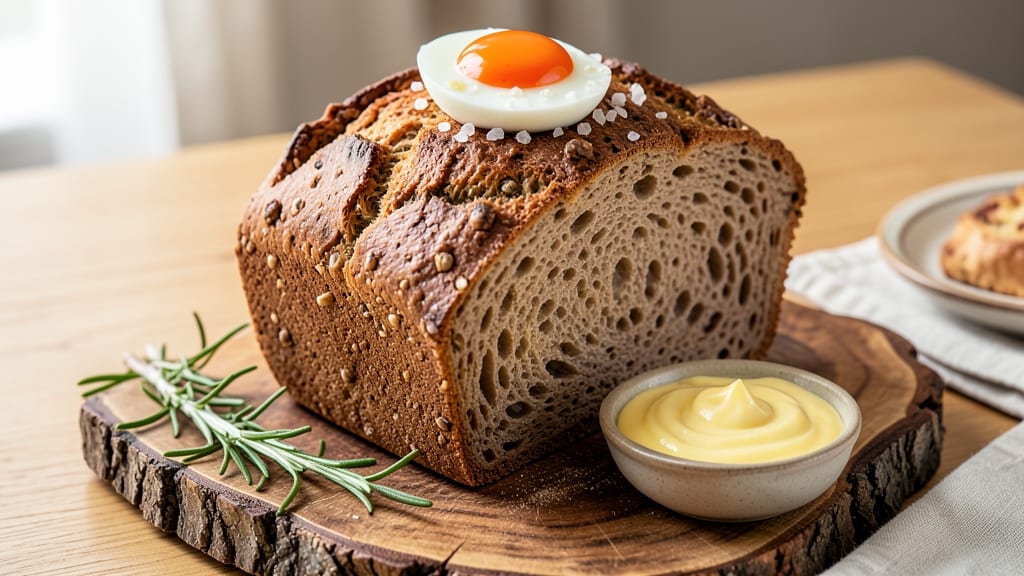
This 7-grain flour bread recipe delivers a rustic masterpiece with a nutty crust and open crumb structure that rivals artisanal loaves. ✨ The blend of whole grains creates a hearty texture and complex flavor profile that elevates any meal—perfect for sandwiches, toast, or serving alongside soups.
What sets this recipe apart is the careful balance of hydration and fermentation time, which transforms tough grains into a tender, flavorful loaf.
Working with 7-grain flour requires attention to detail, but the results are worth every effort. The recipe uses a mix of whole wheat, rye, spelt, and other ancient grains for depth, while precise yeast activation and kneading techniques ensure proper gluten development.
Unlike refined flour breads, this version benefits from longer proofing times, allowing flavors to fully develop and the crumb to achieve that signature open, airy texture.
By the time you pull this loaf from the oven, you'll have a golden-brown crust with a satisfying crunch and a crumb that's light yet substantial. The nutty undertones from the grains pair beautifully with butter, jam, or even as a side for hearty stews.
This bread keeps well for days, making it ideal for meal prep or gifting.
Whether you're a home baker looking to expand your skills or a bread enthusiast seeking a nutritious, flavorful loaf, this recipe delivers professional-quality results with simple, tested techniques. Let's get started on creating your perfect 7-grain masterpiece.
Ingredients for 7 grain flour bread
Whole grains, yeast, and patience create this artisanal loaf with nutty depth and open crumb.
| Ingredient | Amount | Notes |
|---|---|---|
| 7-Grain Flour Blend 🌾 | 5 cups | Whole wheat, rye, spelt, millet, oat, buckwheat, amaranth |
| Instant Yeast 🍞 | 2 ¼ tsp | Active dry works too |
| Granulated Sugar 🍚 | 1 tbsp | For yeast activation |
| Warm Water 💧 | 2 ¼ cups | 110°F for yeast activation |
| Unsalted Butter 🧈 | ½ cup | Softened, full-fat preferred |
| Large Eggs 🥚 | 2 whole | Room temperature |
| Honey 🍯 | 2 tbsp | For sweetness and fermentation |
| Sea Salt 🧂 | 1 ½ tsp | Diamond Crystal preferred |
| Olive Oil 🫒 | 2 tbsp | Extra-virgin for richness |
| Cornmeal 🌽 | ¼ cup | For dusting bread pan |
| Sesame Seeds 🌿 | 1 tbsp | Optional for topping |
The 7-grain blend is everything here. Bob's Red Mill or King Arthur make excellent pre-mixed versions, but custom blends let you adjust ratios. If mixing your own, whole wheat and rye provide structure while millet and buckwheat add nutty complexity. Look for organic grains at Whole Foods or bulk sections for better flavor. The yeast needs to be fresh—test it by dropping a pinch in warm water with sugar; if it bubbles within 5 minutes, it's active. For the butter, Plugrá or Land O'Lakes work well, but European-style butter adds richer flavor if you're willing to splurge.
No 7-grain blend? Substitute 2 cups whole wheat flour + 1 cup rye + 1 cup spelt + 1 cup all-purpose for a similar texture. Running low on honey? Maple syrup at 1:1 ratio works, though it may darken the crust slightly. The olive oil can be swapped for avocado oil if you prefer a milder flavor. For a lighter loaf, replace 1 cup of the grain blend with white whole wheat flour. The sesame seeds are optional but add beautiful contrast—toasted in a dry pan for 2 minutes before sprinkling maximizes their flavor. If you're baking at high altitude, increase the yeast by 0.5 tsp and reduce the water by 2 tbsp.
This dough benefits from overnight proofing in the fridge. Wrap tightly in plastic and let it ferment for 8-12 hours—this develops deeper flavor and improves texture. The shaped loaf keeps well for 3-4 days at room temperature wrapped in a clean kitchen towel, or 5-7 days in the fridge. For longer storage, freeze the baked loaf sliced and wrapped—it reheats beautifully in a 350°F oven for 5-10 minutes. The crust stays crisp for about 2 days, so slice just before serving. For sandwiches, toast lightly to revive the crumb structure.
Why You'll Love This Recipe
- No-Knead Magic: I swear by this—just mix, rest, bake. The 7-grain blend does all the heavy lifting while you sip coffee. No roller, no fuss, just done.
- Nutty Earthy Crunch: That first bite? Warm, dense, and packed with toasted grain flavor from the blend. The butter melts into it like butter should—no dry crumbs here.
- Weeknight Swiss Army: Tear it for sandwiches, toast it thick for breakfast, or freeze slices for quick toast later. Honestly, I’ve used it for everything from charcuterie boards to school lunches.
- Budget-Friendly Staple: A single loaf stretches for days—my kids fight over the ends. And since it’s mostly whole grains, I feel good about the cost per slice (plus, butter stretches further than you’d think).
Step-by-step instructions for 7-Grain flour bread
Here's how to craft a rustic loaf with nutty depth and an airy crumb.
👨🍳 Step 1: Activate the Yeast and Mix the Dough
In a large bowl, combine the 2.25 cups warm water (should feel like bathwater, 110°F), 1 tbsp granulated sugar, and 2.25 tsp instant yeast. Let sit for 5-10 minutes until foamy—this confirms your yeast is active. If it doesn't bubble, your yeast may be dead.
Add the 5 cups 7-grain flour blend to the yeast mixture. Stir with a wooden spoon until a shaggy dough forms, then add the 2 tbsp honey, 2 tbsp olive oil, 1.5 tsp sea salt, and the 2 whole large eggs. Mix until fully incorporated, then knead by hand for 8-10 minutes until smooth and elastic.
🥘 Step 2: First Rise and Shape the Dough
Lightly oil a large bowl, place the dough inside, and cover with a damp towel. Let rise in a warm place for 1-2 hours or until doubled in size. The dough should feel springy when poked—if it springs back slowly, it needs more time.
Once risen, punch down the dough to release air, then turn it out onto a lightly floured surface. Divide into 4 equal portions (about 1 pound each) and shape into oval loaves. Place seam-side down on a baking sheet lined with parchment paper.
🔥 Step 3: Second Rise and Prepare for Baking
Cover the shaped loaves with the damp towel again and let rise for another 30-45 minutes until puffy. Preheat your oven to 375°F with a baking stone or inverted baking sheet inside. Brush the loaves with melted 0.5 cup unsalted butter for a golden finish.
Sprinkle the tops with 1 tbsp sesame seeds (if using) and dust the baking stone with 0.25 cup cornmeal. This creates steam for that signature open crumb structure. Bake for 30-35 minutes until deep golden brown and hollow-sounding when tapped.
⏰ Step 4: Cool and Enjoy
Remove the bread from the oven and transfer to a wire rack to cool for at least 30 minutes. The internal temperature should drop to 100°F before slicing—this prevents a gummy crumb. The bread will continue to firm up as it cools.
Slice with a serrated knife for clean cuts through the nutty, open crumb. Store wrapped at room temperature for 2-3 days or freeze for up to 3 months. The flavor improves over time as the grains develop their full nutty character.
Pro Tips For Making 7 Grain Flour Bread
- MEASURE WATER TEMPERATURE: I learned this the hard way—7-grain flour bread hates extremes. Use water that’s warm to the touch (around 100°F/38°C), not hot enough to melt butter. Too hot and the yeast will wake up too fast, giving you a dense loaf; too cold and it’ll take forever to rise. A thermometer helps, but even a quick finger test works.
- SOAK THE FLOUR FIRST: This isn’t just a step—it’s the thing that matters most. Mix the 7-grain flour with warm water and sugar before adding yeast, then let it sit for 10 minutes. The grains absorb moisture, making the dough easier to handle and giving you a lighter crumb. (Yes, even if you’re impatient like me.)
- DON’T OVER-KNEAD: Seven-grain flour is tougher than all-purpose, so it fights back when you work it. Stop as soon as the dough pulls away from the bowl—usually 5–6 minutes by hand, or 3–4 minutes in a stand mixer. Over-kneading turns your bread gummy, and no one wants that.
- USE COLD BUTTER FOR LAYERS: Skip the melted butter in the dough—it’s the shortcut that ruins texture. Instead, cut cold unsalted butter into small cubes and fold them into the shaped loaf. As it bakes, the butter melts in pockets, creating those buttery layers you’re craving. (Your future self will thank you.)
Dietary considerations for this 7 grain flour bread
Gluten-Free Adaptation
For a gluten-free version, replace the 7-grain blend with a 1:1 gluten-free flour blend like Bob's Red Mill 1-to-1 or King Arthur Measure for Measure. Add 1 tsp xanthan gum to help bind the dough, as gluten-free flours lack natural elasticity.
Increase the olive oil to 3 tbsp and the honey to 3 tbsp—these extra fats and sugars improve moisture retention. Let the dough rest 15 minutes after mixing to hydrate fully before kneading. Proofing times may extend to 2-3 hours due to slower gluten development in GF flours. 🌾
Low-Carb/Keto Option
Transform this into a low-carb loaf by swapping the 7-grain blend for 2 cups almond flour and 1 cup coconut flour. Use 3 extra-large eggs (instead of 2) for structure and add 1 tbsp psyllium husk powder to mimic gluten’s binding properties.
Reduce the honey to 1 tbsp and omit the granulated sugar entirely. The dough will be drier—add 1-2 tbsp warm water if needed. Bake at 350°F for 40-45 minutes until the internal temp reaches 190°F. This version yields 4 low-carb servings with just 6g net carbs per slice.
Allergen-Friendly Swaps
For egg-free bread, replace the eggs with 2 tbsp ground flaxseed + 6 tbsp warm water (let sit for 5 minutes to gel). For dairy-free, use ½ cup coconut oil instead of butter and ensure your honey is vegan-certified (like Madhava).
If avoiding sesame, top with poppy seeds or everything bagel seasoning instead. Always check labels—some 7-grain blends contain trace amounts of gluten or nuts. Cross-contamination risks are higher with whole grains, so use dedicated tools if allergies are severe. ✨
Nut-Free Version
Skip the sesame seeds entirely and opt for toasted pumpkin seeds or sunflower seeds for crunch. If your 7-grain blend includes buckwheat (technically a seed, not a grain), replace it with extra millet or amaranth to avoid nut-like textures.
For added flavor without nuts, sprinkle garlic powder or onion powder on top before baking. The nutty depth will still come from the grains themselves—no nuts required! This version works well for those with tree nut allergies while keeping the hearty texture intact.
Soy-Free Considerations
Most 7-grain flours are naturally soy-free, but always check labels—some blends include soy flour for binding. If your blend contains soy, substitute with additional oat flour or quinoa flour (use ½ cup extra of the grain blend). The dough may require 5 extra minutes of kneading to develop gluten properly.
Soy-free bread will have a slightly denser crumb but retains the nutty flavor. For extra insurance, bake in a lightly greased loaf pan to prevent sticking if the dough is drier.
Nutrition facts
Frequently asked questions
Why does my 7-grain bread turn out dense instead of light and airy?
Whole grains absorb more moisture and lack gluten elasticity, so kneading must be thorough (8-10 minutes) and proofing times longer (1-2 hours first rise, 30-45 minutes second rise). The dough should spring back slowly when poked—not quickly like all-purpose flour. For extra lift, add 1 extra tbsp honey or 1 tbsp olive oil to help with hydration and rise.
Can I substitute individual grains in the 7-grain blend?
Swap 1:1 by volume—for example, replace 1 cup rye with 1 cup spelt for a milder flavor or 1 cup whole wheat with 1 cup millet for nuttier depth. Avoid removing too many heavy grains (like buckwheat) or the texture may become crumbly. Test small batches first, as each grain affects hydration differently.
How do I store 7-grain bread to keep it fresh longer?
Wrap cooled loaves in a clean kitchen towel (not plastic) and store at room temperature for 2-3 days. For longer storage, freeze slices wrapped in parchment paper for up to 3 months. To revive, toast or warm in a 350°F oven for 5 minutes. The crust stays crisp for 2 days if kept in an airtight container.
What’s the best way to test if my yeast is active?
Mix 1 tsp yeast with 2 tbsp warm water (110°F) and 1 tsp sugar. If it bubbles within 5 minutes, your yeast is alive. For the recipe, use 2.25 tsp instant yeast—this ensures proper activation even if some yeast is dormant. If no bubbles form, your yeast is stale and needs replacing.
Can I make this bread without a stand mixer?
Yes! Knead by hand on a lightly floured surface for 8-10 minutes until the dough is smooth and elastic. Press and fold the dough from the center outward, rotating the bowl each time. The extra effort helps develop gluten, which is crucial for whole-grain breads. For stubborn dough, wet your hands slightly to prevent sticking.